
21 Fun Facts About Athens That’ll Blow Your Mind
Find the ride you need in

Expand your knowledge about the capital of Greece with our surprising list of 21 fun facts about Athens. See the whole list now.
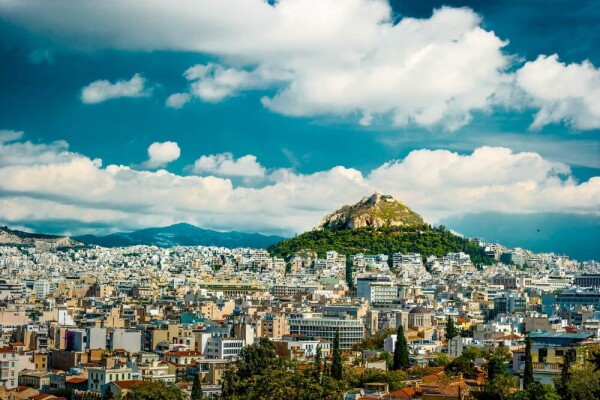
With a history stretching back to ancient times, you would think this age-old city wouldn’t have any secrets left. But this list of fun facts about Athens will enrich your knowledge and widen your appreciation for what is the capital of Greece today.
Read on for all the surprises…
1. Athens has been inhabited for over 4000 years.
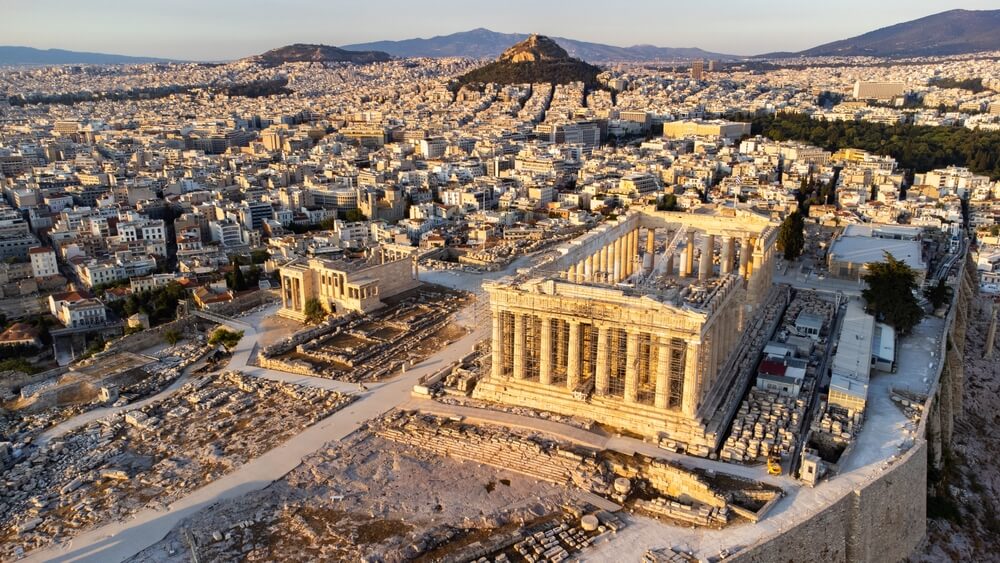
One of the most interesting facts about ancient Athens is that it has been continuously inhabited for over four thousand years.
To put that into perspective, it was only a little over 600 years ago that Columbus “discovered” the New World. Settlements indicate that Athens was founded in the late Neolithic era, which falls to somewhere around 4500 to 4000 BC. It would be another several thousand years until it came into its heyday.
2. Athens is Europe’s oldest capital city.
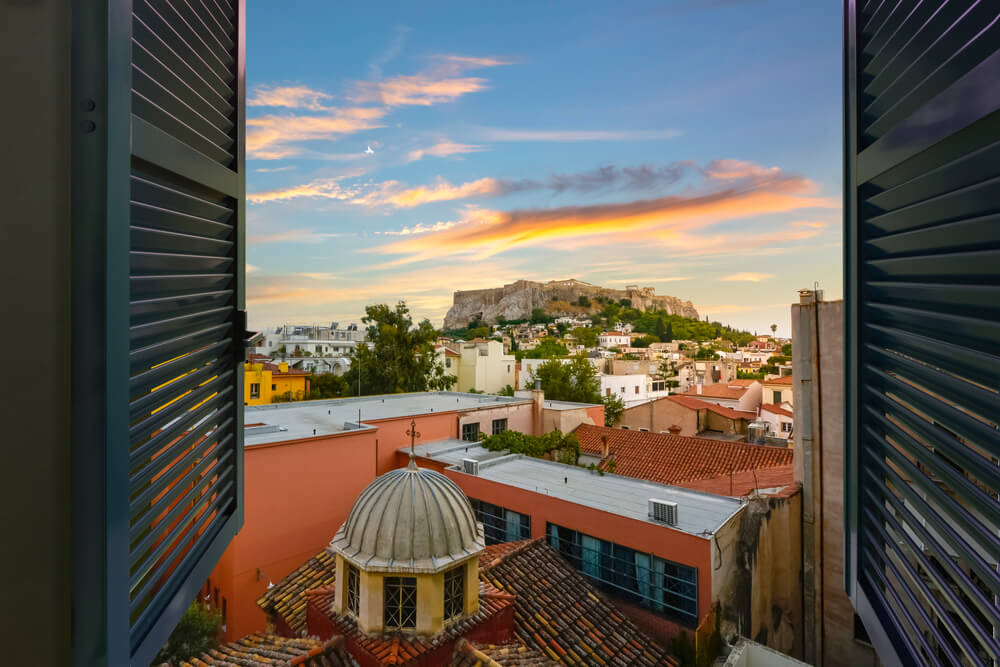
Another fun fact about ancient Athens is that it is Europe’s oldest capital city. In fact, it’s one of the oldest cities in the entire world. So while cities like Rome, Madrid and Lisbon are ancient and historic in their own right, they’re still babies compared to the Grecian capital.
3. Athens is named after a goddess.
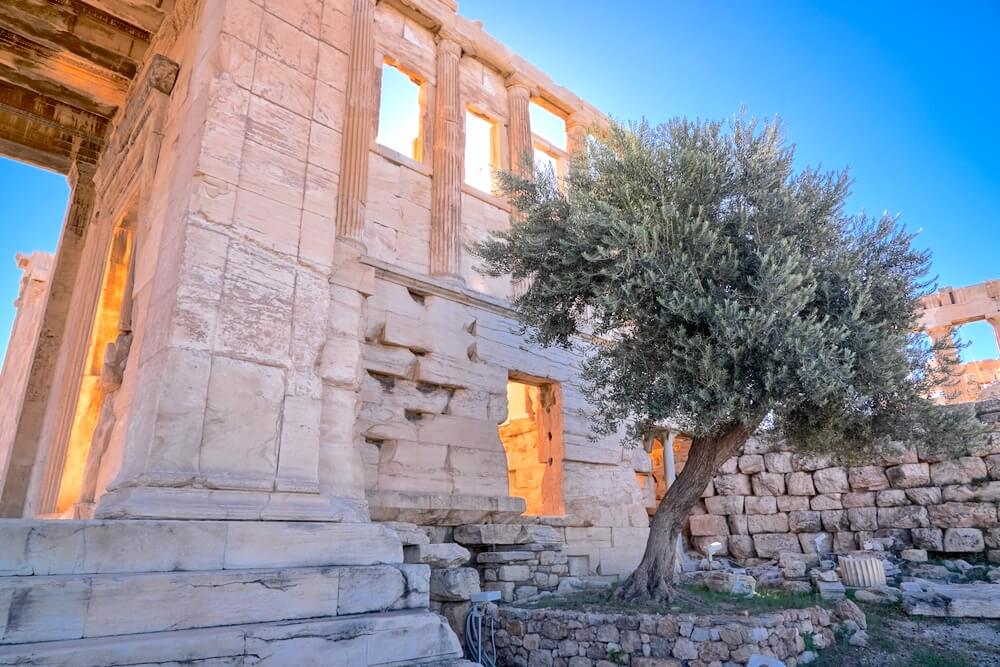
Greek mythology did more than just provide an enduring legacy of entertaining stories. It also gave us many names that would eventually be incorporated into our modern world, like Athena—the namesake goddess of the city.
A fun fact about Athena is that according to the myth, she and the sea god Poseidon were competing for the title of city patron. Her gift of an olive tree won out over Poseidon’s offering, and voila—a name that’s lasted for millennia.
4. Athens showcases examples of the most famous periods of architecture.
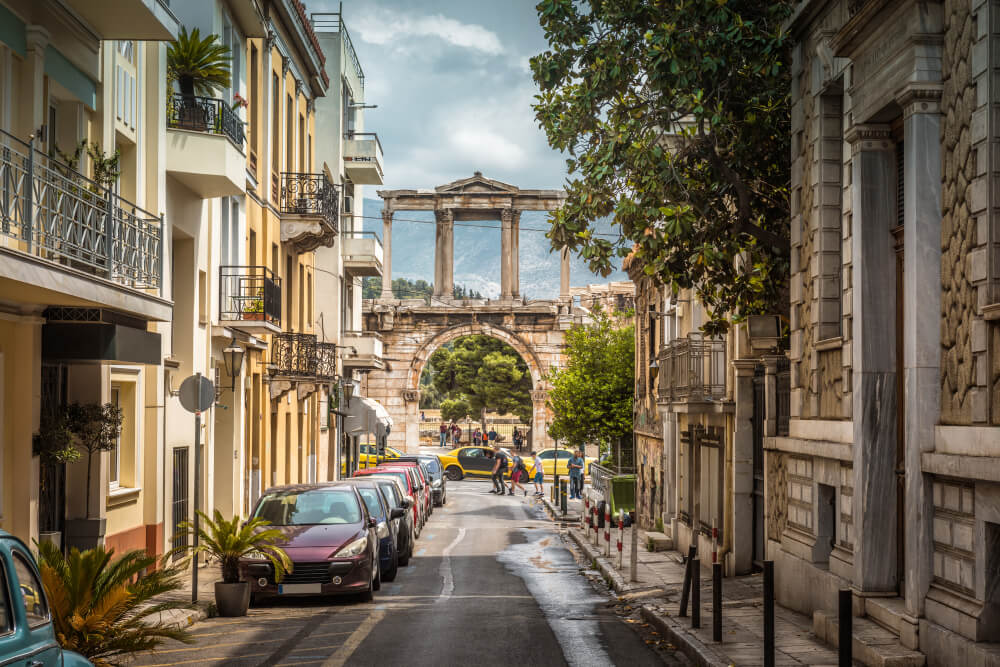
With over four thousand years of history, it’s no surprise to find examples of every significant architectural period. From the ancient pillars of the Parthenon to the edgy designs in modern-day Athens, you’ll find everything from Greco-Roman to Neoclassical to Contemporary architecture somewhere in the city.
5. Athens is famous as the birthplace of democracy.
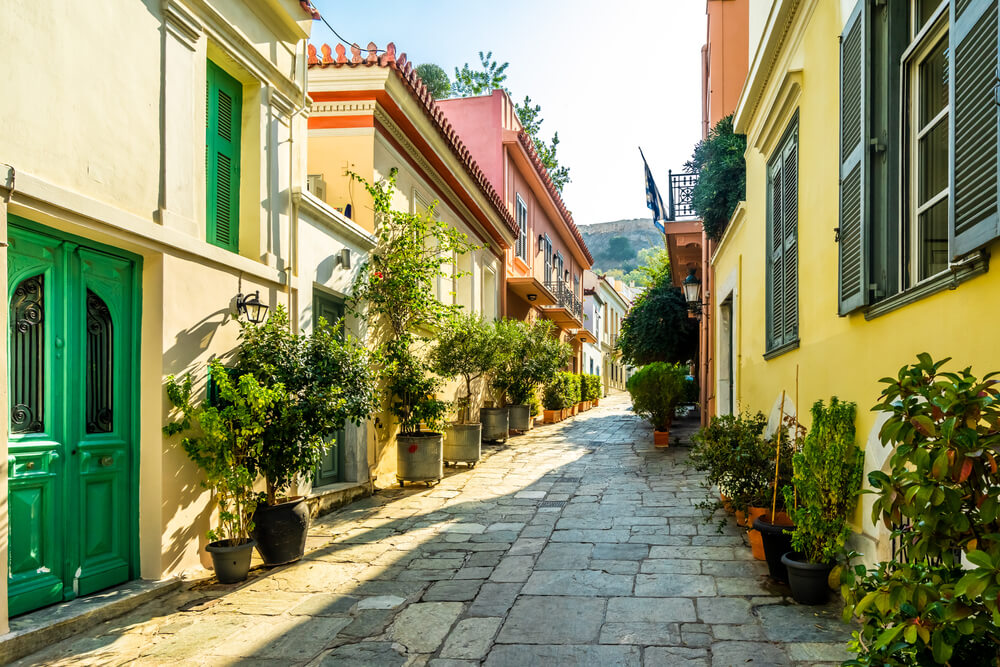
One of the most widely accepted facts about ancient Athens is its legacy as the birthplace of democracy. Around 500 B.C., the city instituted a democratic form of government. The term is derived from the Greek words demos (people) and kratos (power or state).
Granted, such power to the people was initially limited solely to property-owning males. Still, in an age of empires and monarchies, this was quite a radical idea that would form the basis for modern democracies everywhere.
6. Athens has experienced nearly all forms of government.
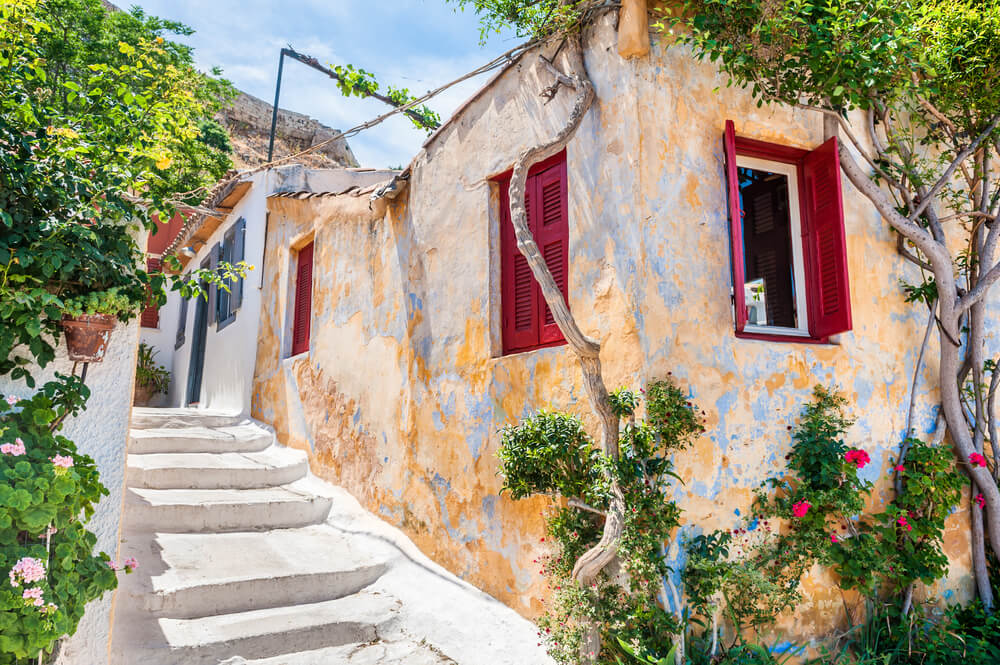
Despite its reputation as the birthplace of democracy, residents throughout the ages have experienced nearly all forms of government. From kings to emperors, to socialists, communists and capitalists, one of the more surprising Athens history facts is that the city wasn’t always a beacon for democracy.
7. Athens wasn’t always the capital of Greece.
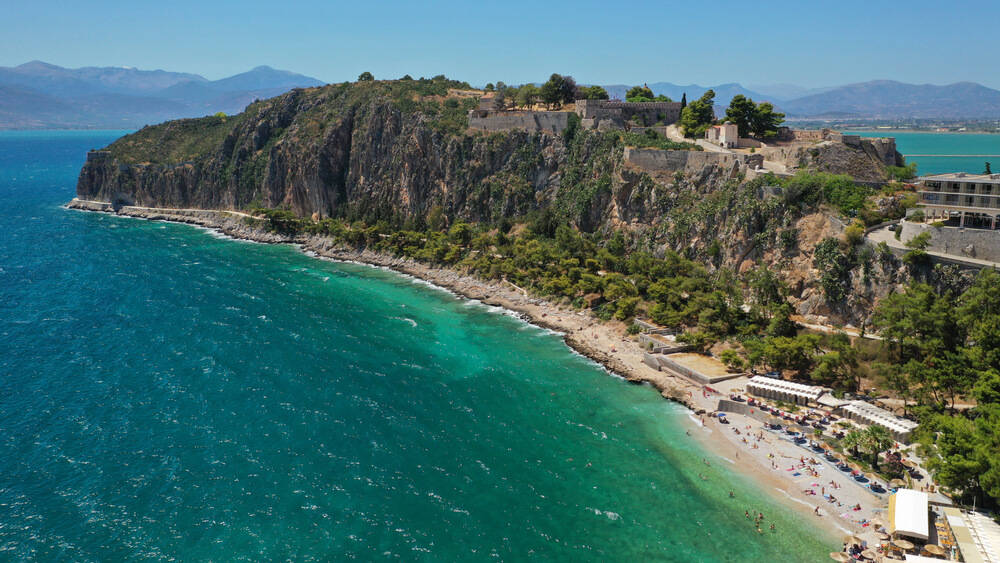
While it’s hard to imagine otherwise, one of the most interesting facts about Athens is that it wasn’t the first capital of the modern state of Greece. That distinction goes to the city of Nafplion, located in the northeastern arm of the Peloponnese.
During and after the Greek War of Independence against the Ottoman Empire (circa 1821 to 1829), Nafplion served as the capital. At the time, Athens only had between four and five thousand inhabitants.
Eventually, due to its historical importance and representation of Greek culture—not to mention all those fascinating ancient monuments—the modern capital was relocated there in 1834 and remains there to this day.
8. Athens once had a king.
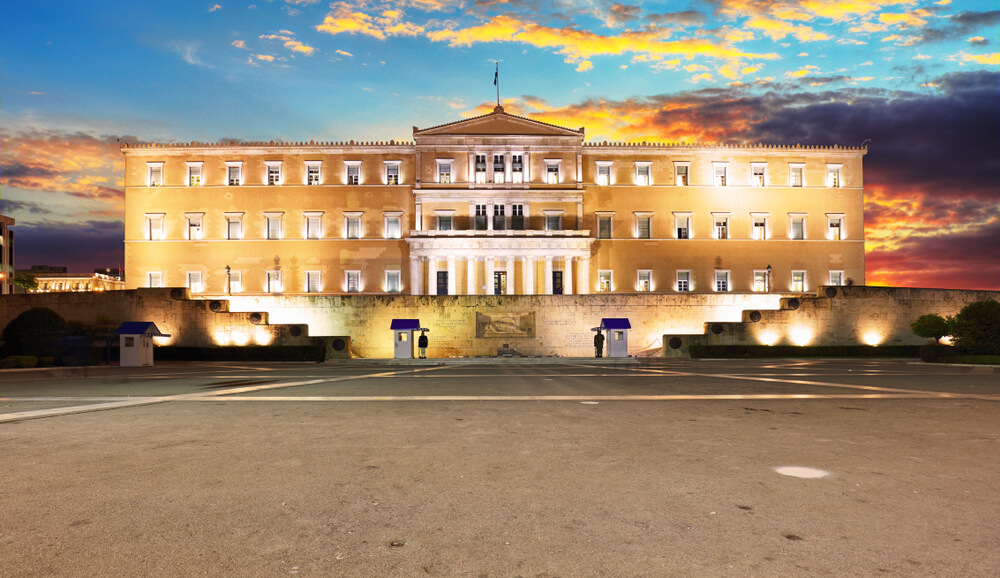
Speaking of its time as the capital of the modern Greek state, one of the little-known fun facts about Athens, Greece, is that it started off under the rule of a king. Otto—aka Othon—was a Bavarian Prince who, along with his wife, Queen Amalia, served as the country’s first monarch.
The monarchy lasted until 1973, but its legacy lives on through many famous monuments around the city. Syntagma Square—on every traveler’s itinerary—started as the Royal Palace.
9. Athens is home to one of Greece’s 18 UNESCO World Heritage Sites.
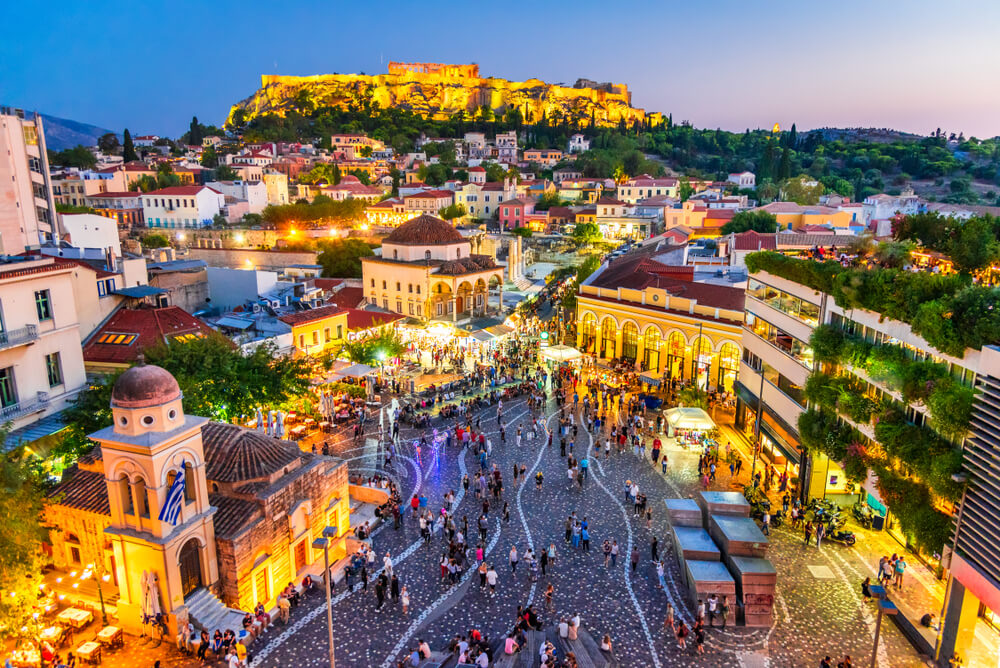
The UNESCO World Heritage List is an exclusive collection of sites with vital historical and cultural significance.
One of the most impressive facts about Athens is that it is home to one of the most famous of all—the Acropolis and its monuments, which were built to honor the city’s patron goddess Athena.
10. Athens’ golden age is responsible for its most famous landmarks.
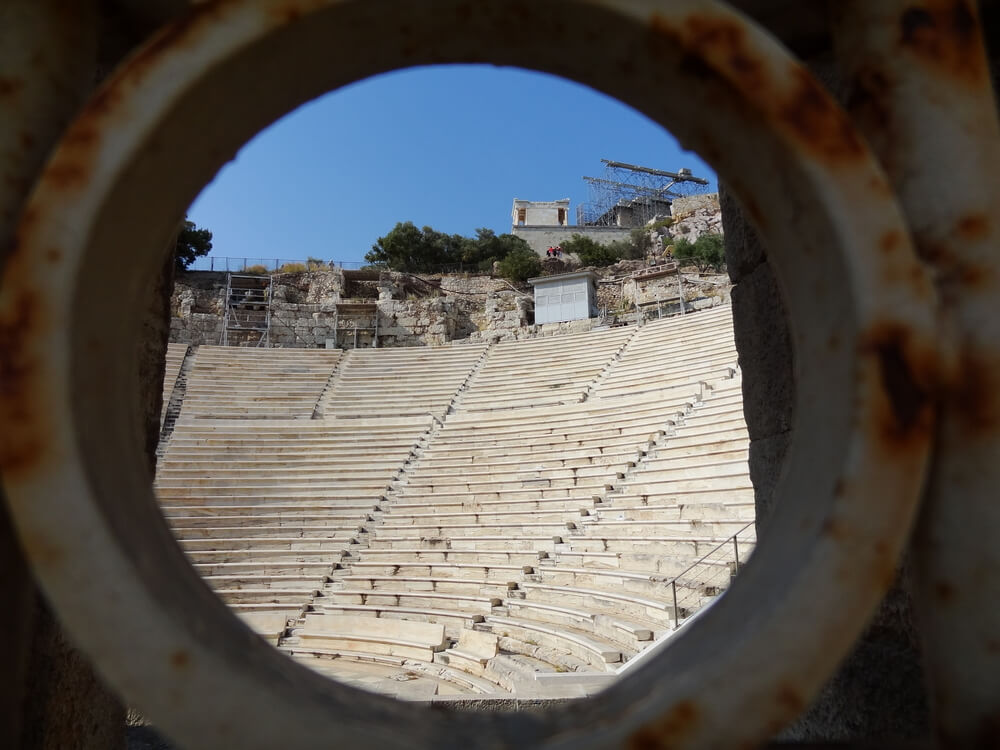
From its humble beginnings, Athens came into prominence during the 4th Century. It hit its peak in the years between the Persian and Peloponnesian Wars, which allowed for the construction of its most famous monuments—the Acropolis, the Parthenon, the Erechtheion and the Temple of Athena Nike.
11. The Acropolis is not the highest point in the city.
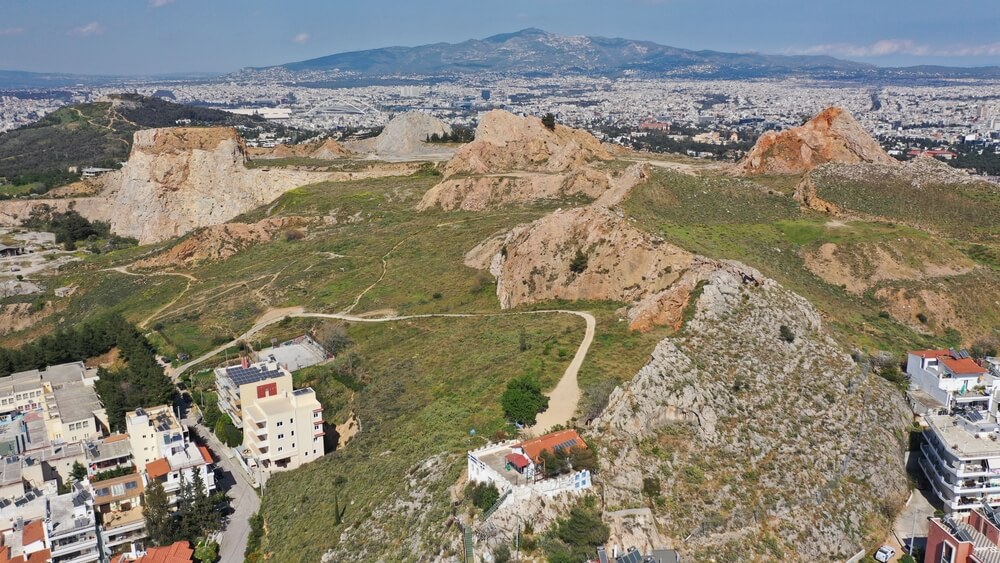
Despite its moniker, which translates to the highest point of the city, the Acropolis is not actually the highest point. That distinction goes to a hill called Tourkovounia, which reaches a height of 373 meters (1,223 feet).
Still, the Acropolis has a ton of ancient monuments to see and offers impressive views of the rest of the city.
12. The Areopagus is mentioned in the Bible.
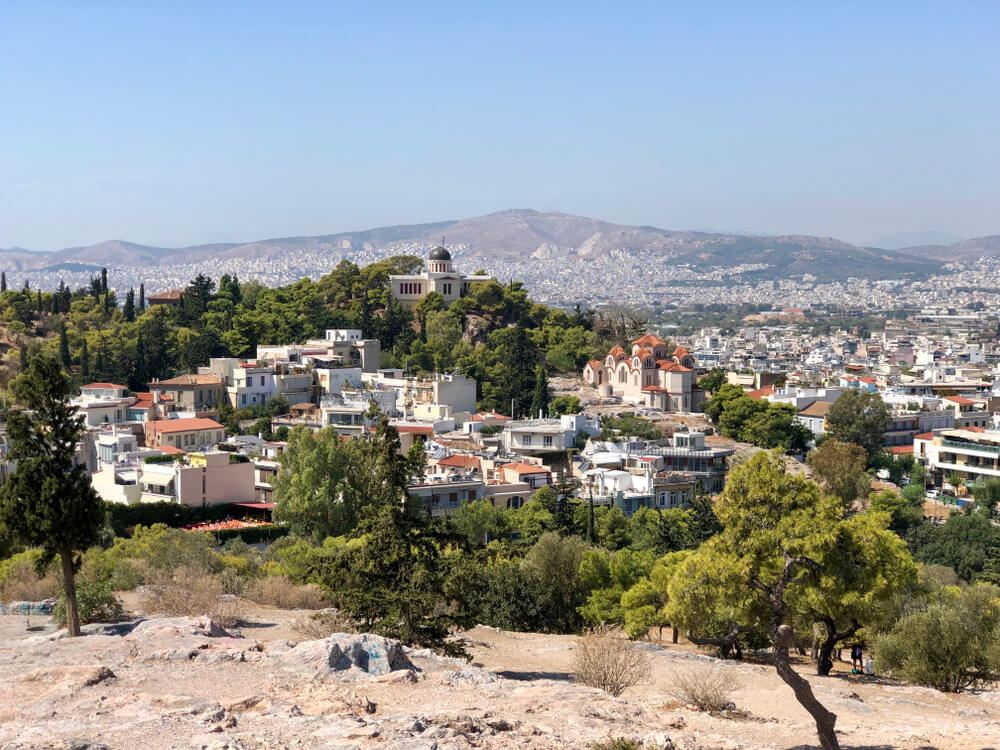
Athens appears in the most famous book in the world when the Apostle Paul visits on one of his missionary travels.
Specifically, he is credited with giving a discourse atop the Areopagus—also known as Mars Hill—which was an outdoor forum for public debate.
These days, a stone inscription commemorating this visit quotes his speech from Acts Chapter 17. You’ll find it near the ancient (and insanely slippery) stone staircase leading to the top.
13. Athens has more theaters than any other city.
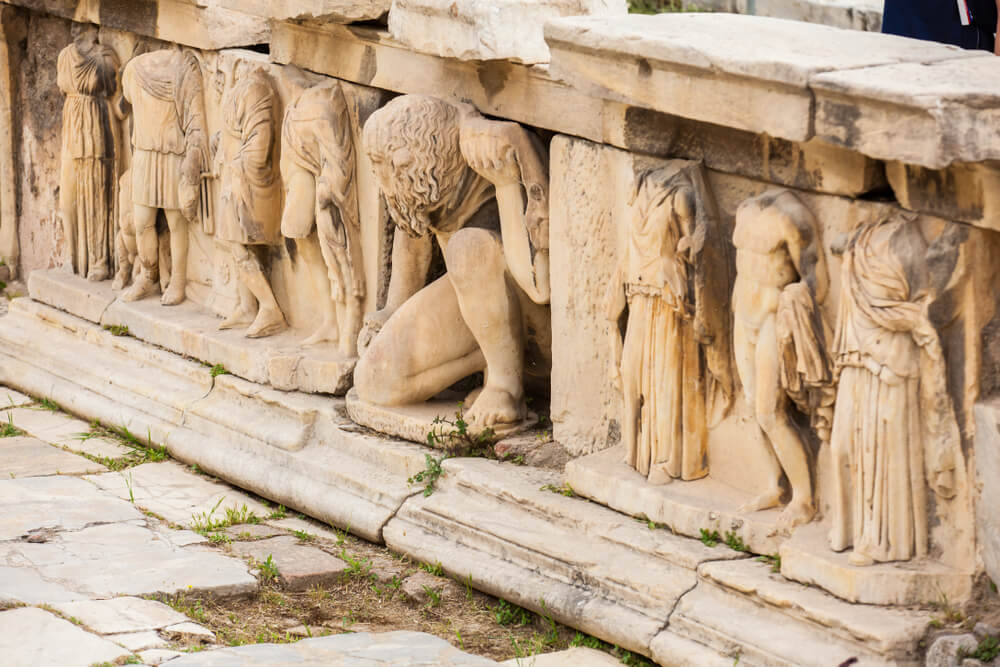
Right about the time democracy was being developed, the Athenians were honing yet another significant contribution to the world’s cultural heritage—the theater.
As originators of tragedy and comedy, the ancient Athenians plied their craft at the Ancient Theater of Dionysus on the slopes of the Acropolis.
One of the good things about Athens is that you can still see performances there today, along with nearly 150 other venues scattered about the city. This surpasses both New York’s Broadway and London’s West End combined.
14. The Ancient Olympic Games were never held in Athens.
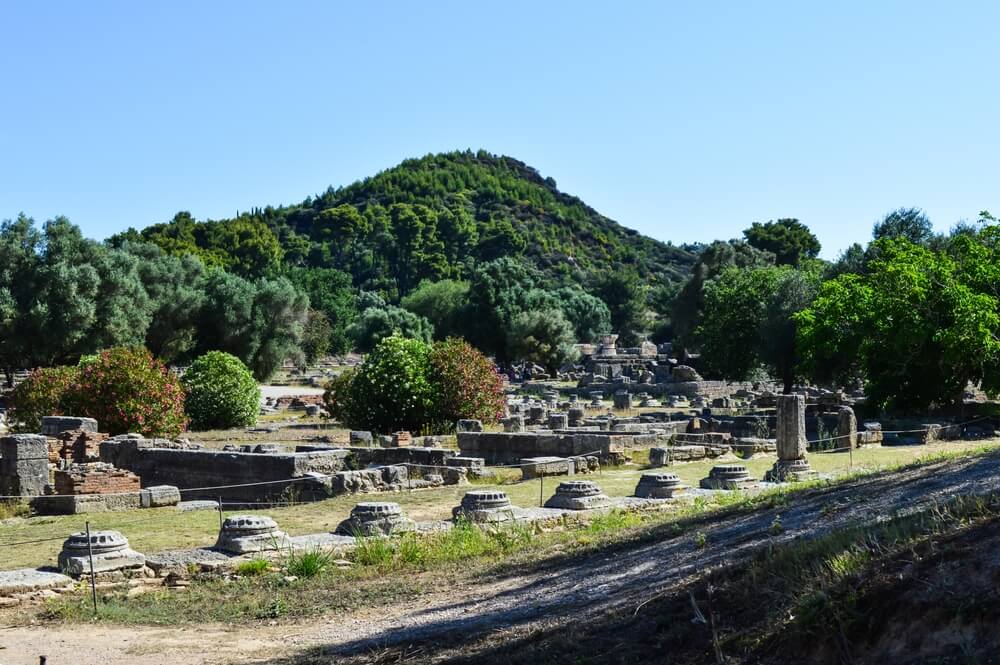
Despite its fame as the heart of Greek culture, Athens was not the birthplace of the ancient Olympic Games. Those were held in Olympia—hence the name.
However, the modern iteration of the Olympic Games did have its revival in Athens back in 1896. At that time, 14 countries participated, and in the decades that followed, this has risen to hundreds, becoming a global sporting phenomenon.
15. The Olympic marathon event has a connection to Ancient Athens.
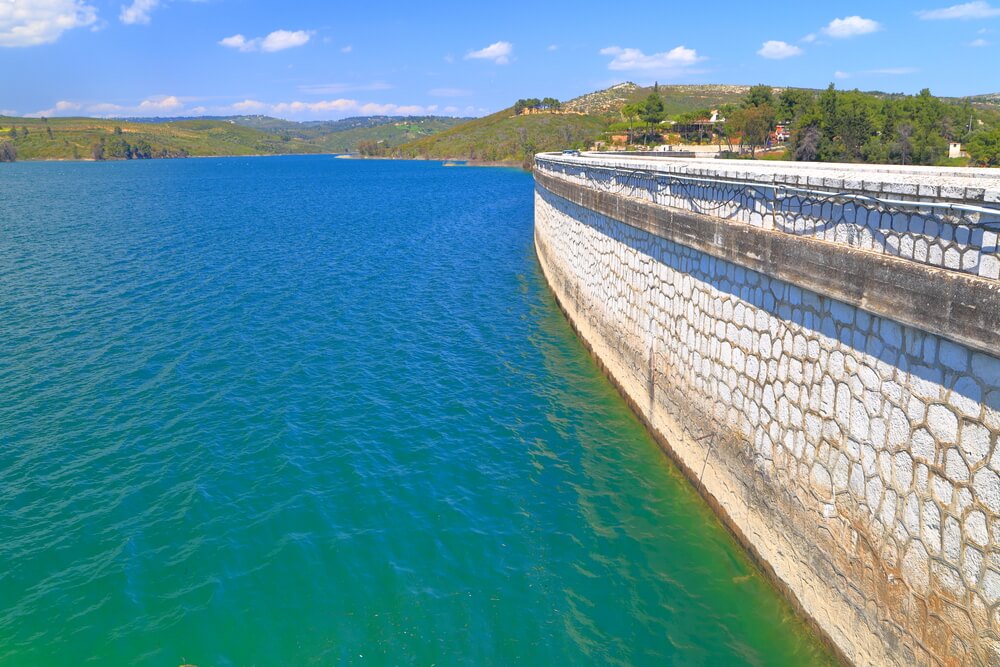
Among the more curious ancient Athens facts is its connection to the modern-day marathon.
The details are of dubious historical accuracy. But legend has it that a courier named Pheidippides ran the distance between a battle site in Marathon to Athens.
Upon arrival, he said, “Hail, we are winners,” and then immediately collapsed and died.
Though there is no historical backing to this account, the distance between the two cities (42.195 kilometers or 26.2 miles) has been adopted as the official distance of this footrace of extraordinary endurance.
16. Athens recorded Europe’s highest temperature reading of all time.
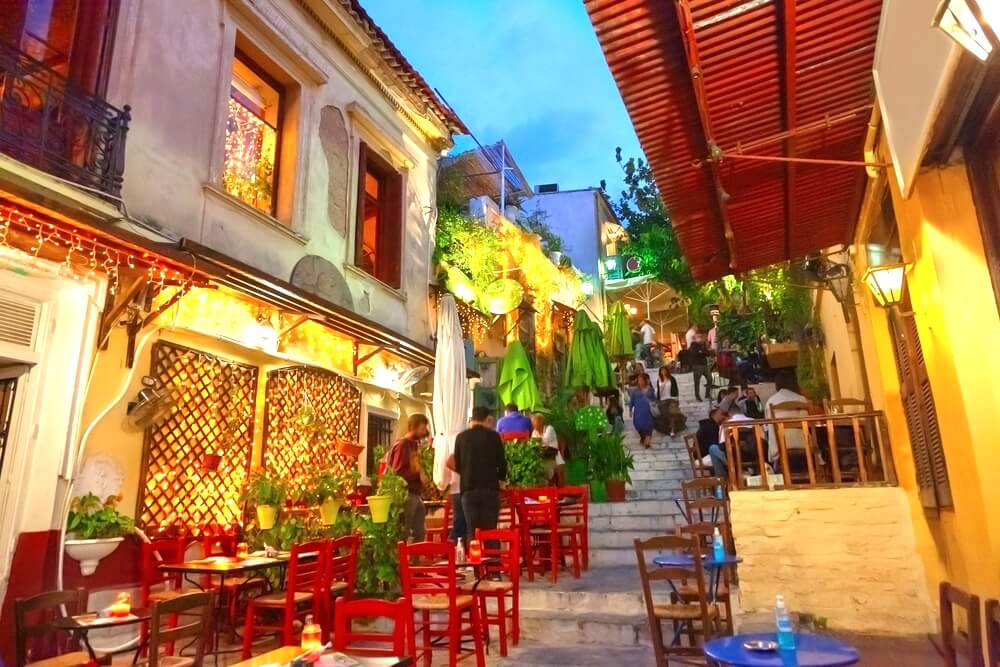
If you were traveling through the Plaka neighborhood on July 10, 1977, you likely would have had to sit in the shade so you didn’t pass out from the heat.
On that date, the mercury reached a whopping 48 degrees Celsius (118.4 degrees Fahrenheit). Over 40 years later, that temp still registers as the hottest ever recorded in Europe.
17. Athens is famous as one of the sunniest places in Europe.
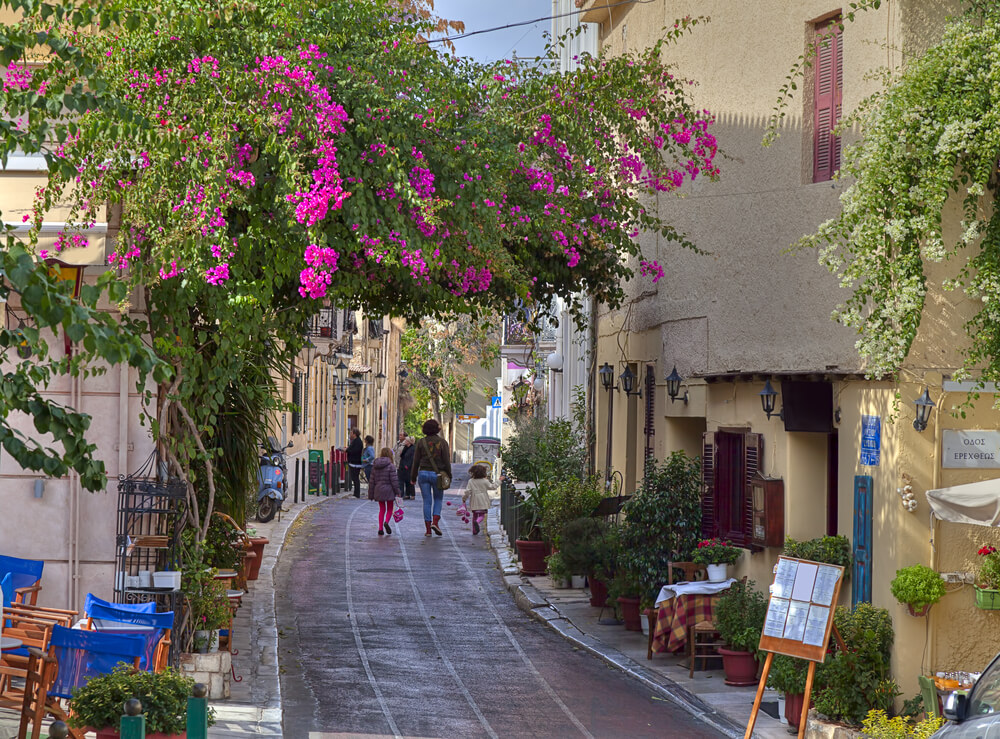
The above entry aside, one of the great things about Athens is catching some rays and enjoying the outdoors with little chance of rain. During the winter, there’s an average of only five days of rain.
Come summertime, the chances are even less.
For worry-free travel without an umbrella, it’s a safe bet.
18. Athens was the first-ever European Capital of Culture.
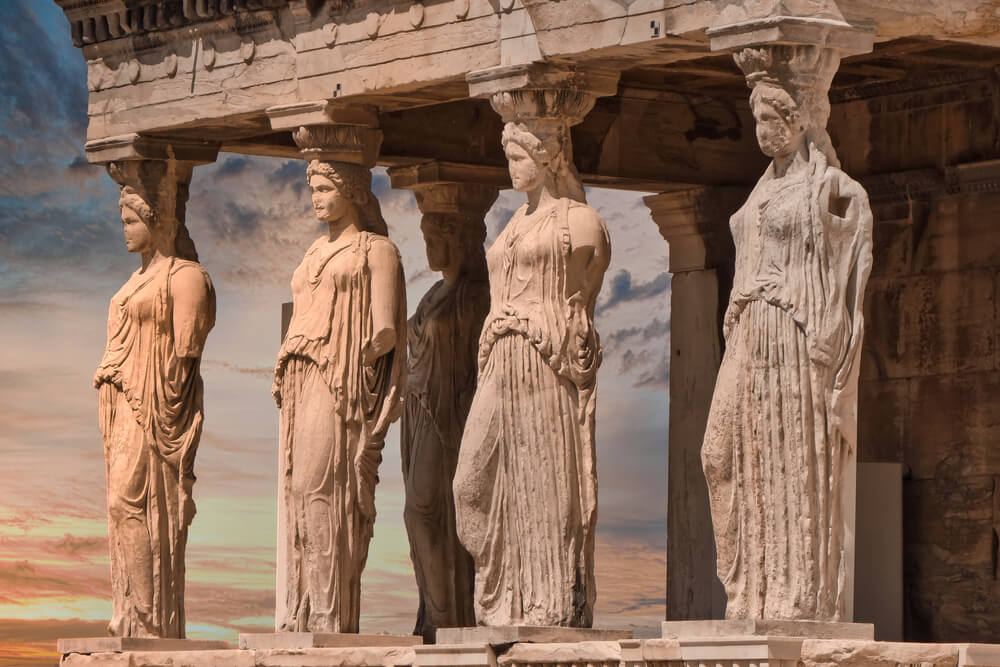
This is an honorary title awarded annually by the European Union to celebrate the richness and diversity of European culture. The title was bestowed on Athens at the first-ever European Capital of Culture Awards.
19. Athens is a seafood lover’s paradise.

Like seafood?
Then come to Athens.
Athenians are passionate about their fish. Once considered a delicacy in ancient times, these days, you can get your fill of fresh seafood pulled right from the Aegean. Your best venue is the historic Varvakios Market in the heart of the city, where tons of fish and other edible sea creatures pass through each day.
While there, you can also pick up as much fresh produce and meat as you can eat.
20. Athens’ port of Piraeus is Europe’s largest passenger port.
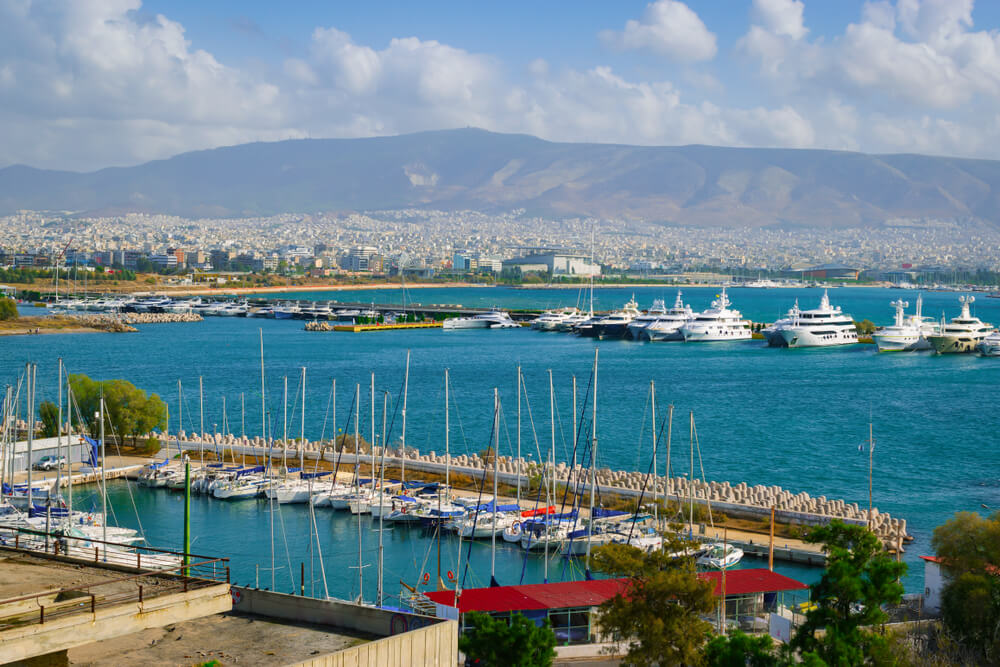
Long famous for its naval prowess, the principal port of Piraeus has figured into the city’s rich seafaring history.
These days, with seemingly never-ending streams of passengers passing through on their way to cruises throughout the dazzling Greek Isles, Athens is Europe’s busiest port of call.
It also ranks high in total commercial traffic in the Mediterranean.
So, if you’re looking to sample the breathtaking beauty of the isles, chances are you’ll be coming through Athens—and its historic port of Piraeus.
21. Athens was a stronghold of influential philosophers.
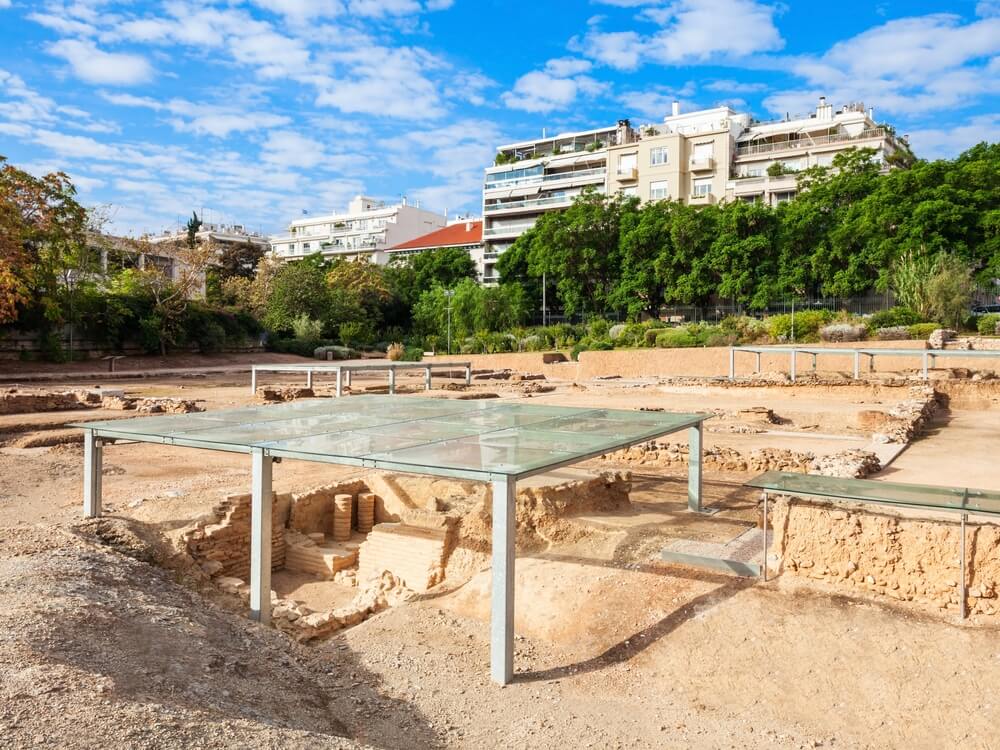
Greek philosophy flourished in Athens during the 4th Century. Starting with the Academy of Plato, which was immortalized in Rafael’s famous fresco, The School of Athens.
World-renowned philosopher Aristotle later set up shop here as well. You can still visit the ruins of the Lyceum of Aristotle.
Final thoughts about Athens
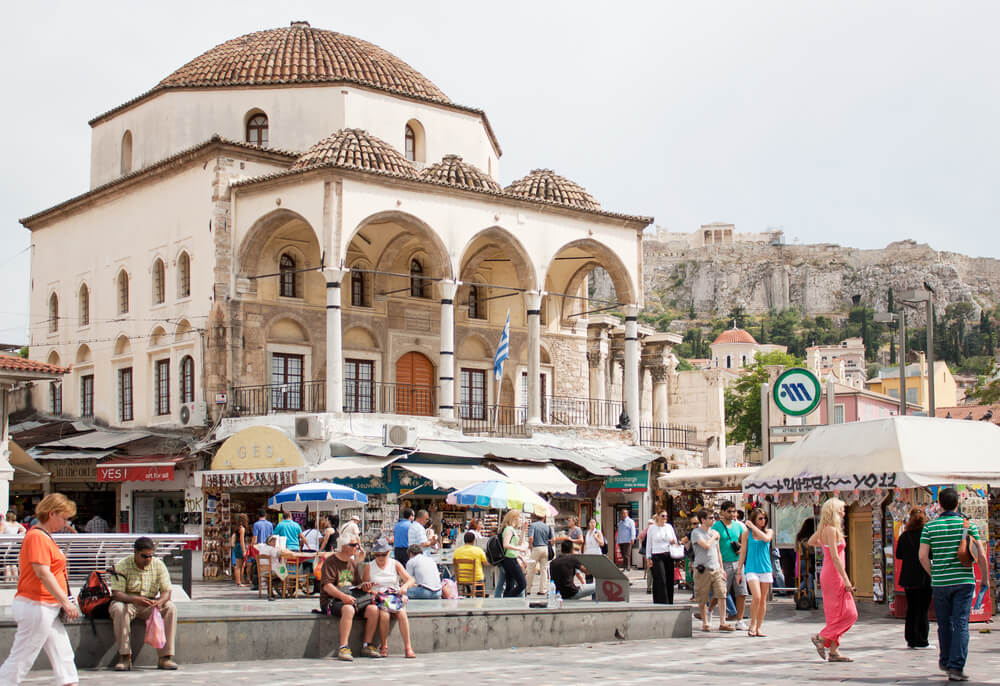
This list of fun facts about Athens undoubtedly taught you something new about this ancient city.
Next time you’re traveling in Greece, make it a point to discover even more on your own!
FAQ
Athens is most famous as being the cradle of democracy, the birthplace of live theater, and the site of the rebirth of the Olympic Games
Some of the most unique facts about Athens are that it is Europe’s oldest capital, has more theaters than any other city, and is one of the oldest continually inhabited cities in the world.
First, it is one of Europe’s sunniest major cities. Second, it is home to the Acropolis—one of Greece’s 18 UNESCO World Heritage Sites. Third, it showcases thousands of years of architectural styles. Fourth, it’s an excellent place for seafood lovers. Lastly, its port of Piraeus is the largest passenger port in Europe.