

Book ferry, bus, minivan, or train tickets in
Australia
- Book online with local operators
- We're here for you 24/7
- Stories by travelers, for travelers
Must visit places in Australia


Popular routes
Townsville to Magnetic Island
Airlie Beach to Hamilton Island
Surfers Paradise to Byron Bay
Byron Bay to Gold Coast
Gold Coast to Byron Bay
Gold Coast to Brisbane
Bundaberg to Brisbane
Brisbane to Gold Coast
Sydney to Canberra
Melbourne to Sydney
Cairns to Townsville
Brisbane to Sydney
Australia Travel Guide: Everything You Need to Know
Discover the wonders of Australia with our easy-to-follow travel guide. Learn about the weather patterns and find out the best times to visit this amazing country. Our guide explains how to get around efficiently and highlights the top cities and destinations you shouldn't miss. We also recommend delicious Australian foods to try during your adventure. Plus, uncover hidden gems that most tourists never get to experience.
Weather and Best Time to Visit
Northern Territory: May to October brings the dry season with comfortable temperatures, ideal for exploring Uluru and Kakadu National Park. Avoid November to April's wet season with high humidity and occasional cyclones.
Queensland: Visit between April and October for pleasant conditions to enjoy the Great Barrier Reef and beaches. The wet season from December to March brings cyclone risk in Far North Queensland.
New South Wales: September to November (spring) and March to May (autumn) are perfect for Sydney and coastal areas with mild temperatures and fewer crowds.
Victoria: October to April provides the best weather for Melbourne and the Great Ocean Road, with warm days and minimal rainfall.
Western Australia: September to November is ideal for Perth and the southwest, while May to October works best for the tropical north to avoid cyclone season (November to April).
Tasmania: December to February offers warm summer conditions perfect for hiking and outdoor activities.
Traveling by Season
High Season: December-February
Australia's summer is peak tourism time, especially during Christmas and New Year. Temperatures typically range from 25-40°C (77-104°F). Northern regions are humid with occasional monsoon rains, while southern coastal areas are warm and dry. Prices for accommodations, flights, and attractions increase by 30-50% compared to the low season.
Book well in advance for popular destinations like Sydney, the Gold Coast, and the Great Barrier Reef. Note that northern Australia faces cyclone risks and heavy rainfall during this period, which may affect travel plans.
Low Season: June-August
Winter brings temperatures of 5-20°C (41-68°F) in the south and a pleasant 20-30°C (68-86°F) in the north. This period offers significant savings, up to 40% on accommodations and activities, with fewer crowds and better availability.
Northern Australia has ideal dry conditions, perfect for exploring the Outback and Great Barrier Reef.
Southern regions can be cold and wet, with snow possible in alpine areas. Be aware that some tourist facilities in beach destinations may have reduced hours.
Shoulder Months: September-November, March-May
These transitional months offer a good balance of reasonable weather and value. Temperatures typically range from 15-25°C (59-77°F).
- Spring (September-November) brings wildflower blooms.
- Autumn (March-May) offers stable, pleasant conditions.
Prices are typically 15-25% lower than peak season, and availability is good. The weather is generally stable but can be unpredictable, particularly in spring when southern regions may experience wind and rain. These seasons provide the best overall value for experiencing Australia without extreme weather or crowds.
How to Get to Australia
Australia's airport network connects this vast island continent both internally and with the rest of the world. Sydney Airport serves as the country's busiest aviation hub, while Melbourne Airport handles over 30 million passengers annually through its terminals.
In Queensland, Brisbane Airport functions as the main entry point for travelers exploring the Sunshine State. Perth Airport, located on the western coast, provides essential connections between Australia and Asian markets.
Adelaide Airport serves both international and domestic travelers in South Australia. Canberra Airport welcomes government officials and tourists visiting Australia's capital city.
Gold Coast Airport is popular among beach enthusiasts and surfers, while Darwin Airport in the Northern Territory provides access to Australia's tropical regions and nearby Southeast Asian destinations.
These airports serve a critical function beyond passenger processing. They link cities, families, and cultures across Australia's 7.7 million square kilometers, enabling travel between the country's diverse regions.
Cross-Border Travel to Australia
Air travel is the primary way to reach Australia for most international visitors due to its isolated location. However, if you're in neighboring countries, there are a few alternative options to consider.
- From New Zealand: The 2,000 km Tasman Sea means no direct surface transportation exists; only flights or private boats are available. If you're in New Zealand, check the New Zealand routes for local transportation before flying to Australia.
- From Indonesia: Despite Bali's relative proximity to Australia's northern coast, no public transportation connects these countries. The waters between are dangerous, and immigration controls are strict. Explore our Indonesia routes for travel within Indonesia before booking your flight to Australia.
- From Malaysia: No direct surface connections exist due to geographical limitations. Use Malaysia's internal transport system via our Malaysia routes before flying to Australia.
Once in Australia, these major routes connect key destinations:
- Melbourne to Sydney: Australia's busiest transport corridor with options from budget flights to overnight trains.
- Sydney to Canberra: connecting Australia's largest city to its capital.
- Townsville to Magnetic Island: a ferry connection to a popular Queensland island destination.
How to Get Around
Australia's enormous landscape means travelers need to think about how they'll move from place to place. When someone wants to travel from Sydney to Perth, they're looking at a distance similar to London to Moscow, which is when flights become necessary rather than just convenient.
The trains tell stories of their own. The Ghan slowly cuts through the red heart of the country, with passengers watching kangaroos hop alongside the tracks at dawn. NSW TrainLink connects towns and communities where travelers can step off into places they wouldn't otherwise discover.
Long-distance buses from Greyhound Australia carry backpackers, locals, and adventurers between coastal towns, with drivers who often point out hidden beaches or the best pie shop in a passing town.
In Sydney, the ferries aren't just transportation, they're experiences. Commuters start their mornings with the harbor breeze and views of the Opera House. Meanwhile, Melbourne's trams rumble through neighborhoods, their bells warning pedestrians as they've done for decades.
Renting a car unlocks the freedom to pull over when that perfect beach appears around a bend, or when a sign points to a family winery down a country road. City bike shares let visitors pedal alongside locals, discovering corner cafes and neighborhood parks that don't make it into guidebooks.
Whether joining morning commuters on Brisbane's CityCat ferries or watching the outback roll by from a train window, how people move through Australia becomes part of what they'll remember about the place.
Food Scene
In Australia's food landscape, stories unfold with every bite.
In Sydney, locals line up for meat pies, eating them perched on harbor walls as they have since 1945.
Morning light streams through the Sydney Fish Market, where fishmongers call out their catches of the day. At The Australian Heritage Hotel, diners try kangaroo steaks, perhaps for the first time.
Markets tell their own tales:
Farmers at Queen Victoria Market share growing tips.
Adelaide Central Market buzzes with family recipes.
Artisans at Fremantle Markets connect past to present.
Each region offers something distinct:
Barramundi pulled from Northern Territory waters.
Queensland's oddly-named but delicious Moreton Bay Bugs.
King Island cheese aged in Tasmanian sea air.
Hidden Gems
Among the Stockton Sand Dunes in New South Wales sits Tin City, a collection of corrugated iron shacks that seems to emerge from nowhere in the wide-open landscape. These weathered structures tell stories from the Great Depression era, offering a window into a different time along Australia's coast.
The old shacks of Tin City stand without modern conveniences—no electricity flows through wires, no water runs through pipes. The buildings create an almost otherworldly scene against the massive sand dunes (filmmakers noticed this too—Mad Max was filmed here). Few places in Australia present such a stark contrast between human habitation and natural landscape.
Best time to visit: The months between March and May bring comfortable weather and fewer people. The summer weekends fill the dunes with visitors, changing the quiet atmosphere that makes the place interesting.
How to get there: You'll need a 4WD vehicle to reach Tin City via Stockton Beach. Don't have one? Tours leave regularly from Newcastle or Anna Bay. Remember that driving on the beach yourself requires a permit.
Scenic Routes
Australia's land stretches far and wide, telling stories through its landscapes that change from ocean edges to red desert centers. These five routes show different chapters of what makes this continent special:
Cairns to Port Douglas: The road winds between two worlds: thick green rainforest on one side and blue coral reef waters on the other. Driving this route means being able to pull over when you spot a quiet beach or a lookout point where the forest drops into the sea. The waters stay calmer and skies clearer between May and October, making it easier to see the colorful fish and coral when you take a break from the road.
Perth to Margaret River: This journey takes travelers from city life to places where grape vines grow in neat rows and waves crash against limestone cliffs. Having a car means stopping at different wineries to taste what each patch of soil produces, then driving further to find beaches where surfers catch waves all day. Come in September when the ground turns colorful with wildflowers, or in autumn when grapes are being picked.
Darwin to Kakadu: This northern route leads to places where crocodiles sun themselves on riverbanks and water thunders down ancient rock faces. Between May and October, the roads stay dry enough to reach spots where people painted stories on rock walls thousands of years ago. A stronger 4WD vehicle opens doors to places where fewer footprints have been.
Hobart to Freycinet: Tasmania's east coast road leads travelers past fishing villages to mountains that glow pink at sunset above perfectly curved beaches. The water stays warm enough for swimming from December through February, though the bay's shape makes it worth seeing in any season. With your own transportation, you can stop at small towns where people still catch seafood the way their grandparents did.
Alice Springs to Uluru: This drive cuts through Australia's center, where red dirt stretches to meet blue sky at every horizon. The massive rock rises from flat earth, changing colors as the sun moves across the sky. Spring and autumn bring gentler temperatures that make exploring more comfortable. The long stretches between stops give travelers time to feel the age and quiet of this ancient place.
Events, Festivals and Local Markets
The Sydney Royal Easter Show brings country life to the city with farmers showcasing their prized animals, children wide-eyed at carnival rides, and families sharing hot, fresh scones with jam and cream. You'll find yourself chatting with sheep farmers one minute and watching woodchopping competitions the next.
When night falls during Vivid Sydney, building facades come alive with moving artworks, music echoes between skyscrapers, and people of all ages wander along the harbor, pointing at light installations that transform familiar landmarks in Sydney.
At the Melbourne Cup, office workers pause as TVs nationwide broadcast the race. Fashionable hats dot the crowd, betting slips exchange hands, and for about three minutes each November, conversations across Melbourne fall silent as horses thunder down the track.
The Brisbane Ekka fills the air with the scent of dagwood dogs and the famous strawberry sundaes that locals queue for year after year. Kids clutch show bags while agricultural competitors groom their cattle for judging day in Brisbane.
Best Places to Visit
1. Sydney welcomes visitors with its curved Opera House sails and the steel arch of the Harbour Bridge standing against the blue harbor waters. In the morning, locals swim laps at ocean pools carved into the rocks at Bondi Beach, while surfers catch waves nearby. The city feels most comfortable during spring (September-November) or fall (March-May), when days stay warm without summer's intensity and tourist crowds thin out.
As night falls during the Vivid Sydney Festival, light installations transform buildings into canvases of color. On weekends, shoppers wander through The Rocks markets, where stallholders share stories behind handmade jewelry and art. Harbour ferries crisscross the water throughout the day, offering passengers ever-changing perspectives of the city shoreline.
- -International flights to Sydney Airport from major global cities
- -Domestic flights connecting from other Australian cities
- -Cruise ships that dock at the Overseas Passenger Terminal in Circular Quay
2. Brisbane spreads along the bends of its namesake river, where water taxis glide past riverside parks and neighborhood jetties. Morning joggers follow riverfront pathways while city workers enjoy breakfast in outdoor cafes. The city shines during autumn (March-May), when clear skies and gentle warmth replace summer humidity.
At South Bank, children splash in the free public swimming lagoon while families picnic on adjacent lawns. Musicians set up at street corners and small plazas through the City Sounds program, their music floating through shopping districts. On weekends, locals paddle kayaks on the river, passing under bridges and alongside mangroves.
- -Direct international flights to Brisbane Airport
- -Domestic flights from all major Australian cities
- -Interstate trains arriving at Roma Street Station
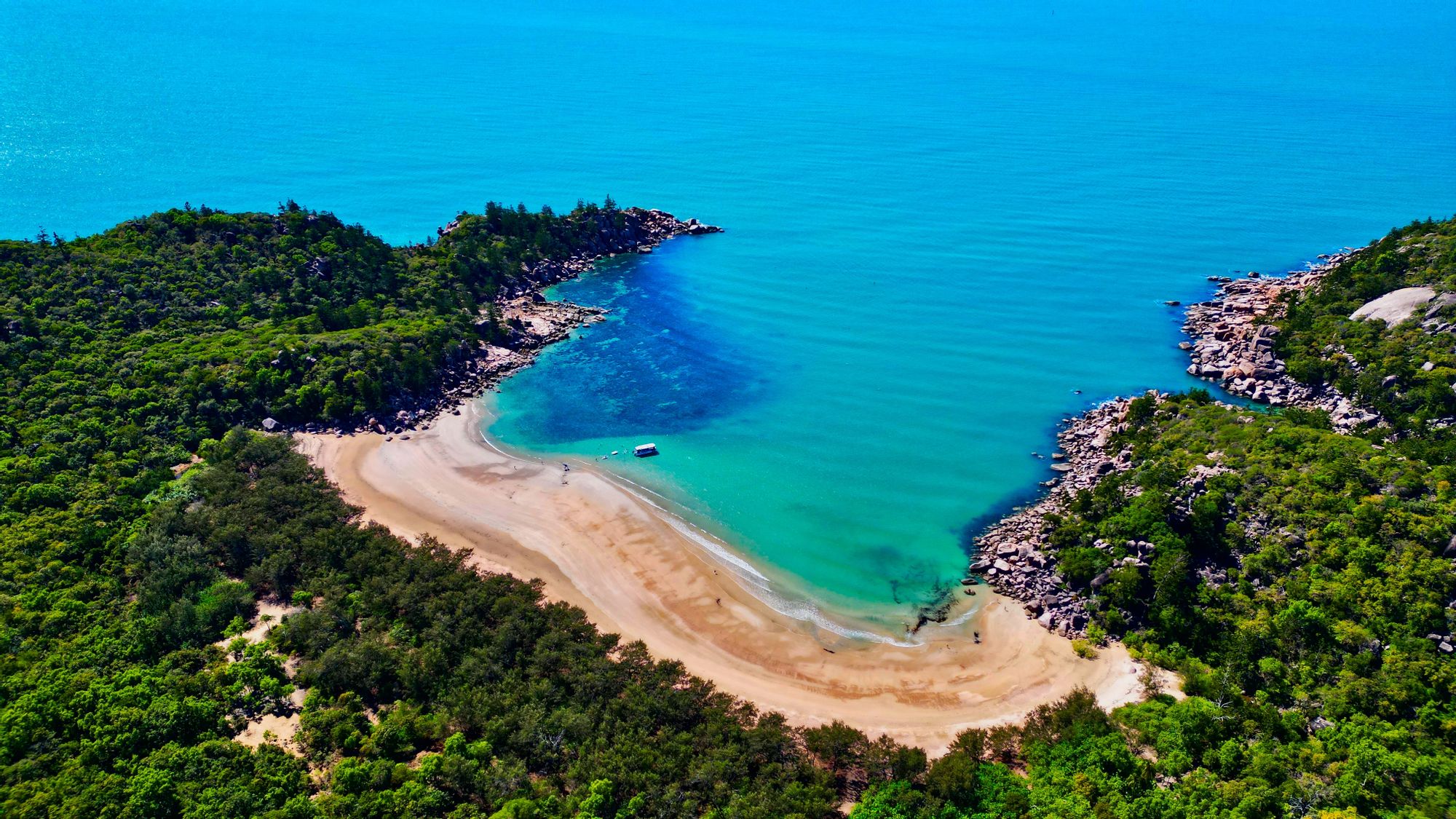
3. Magnetic Island rises from the blue waters near Townsville, its rounded granite boulders piled between eucalyptus forests and curved beaches. Wild koalas doze in tree forks, sometimes visible from hiking trails that cross the island. The days between May and October bring clear skies and comfortable temperatures, before summer rains and marine stingers arrive.
Early risers might join wildlife guides who know exactly which trees the island's koalas prefer. After dark, small groups gather at viewing points where telescopes reveal stars usually hidden by city lights. Beneath the water's surface, snorkelers follow guides who point out giant clams and coral formations just offshore.
- -Ferry or fast cat from Townsville (20-40 minutes)
- -Private boat charters from Townsville Marina
- -Helicopter transfers from Townsville Airport
Tips for Traveling in Australia
VISA & ENTRY
Most visitors need an ETA ($20 AUD) or eVisitor visa (free), which can be applied for online.
Apply at least 2 weeks before travel.
A Working Holiday Visa is available for 18-30-year-olds from eligible countries.
CULTURAL ETIQUETTE
"No worries" attitude values punctuality and directness.
Aboriginal sites require respectful behavior.
MONEY MATTERS
Tipping is not expected (10% at fine dining is appreciated).
Australian Dollar (AUD) is the currency.
Cards are widely accepted. Carry some cash for small businesses.
ATMs are abundant in cities.
HEALTH & SAFETY
Emergency: 000.
Sun protection is essential.
Travel insurance with medical coverage is recommended.
No specific vaccines are required from most countries.
TRANSPORTATION
Domestic flights for long distances.
Public transport is excellent in cities (Opal/Myki cards).
Left-side driving.