

Book minivan, car, train, or bus tickets in
Hungary
- Book online with local operators
- We're here for you 24/7
- Stories by travelers, for travelers
Must visit places in Hungary

Popular routes
Vienna to Budapest
Budapest to Vienna
Budapest to Bratislava
Belgrade to Budapest
Prague to Budapest
Bratislava to Budapest
Budapest to Munich
Stuttgart to Budapest
Budapest to Eindhoven
Budapest to Bucharest
Budapest to Subotica
Hungary Travel Guide: Everything You Need to Know
Discover the beauty of Hungary with our comprehensive travel guide that covers all you need to know. Learn about Hungary's weather patterns and the best seasons to plan your visit. Find practical tips on transportation options to help you navigate the country with ease. Explore Hungary's most captivating cities and destinations, along with delicious local foods you must try. Uncover hidden gems that most tourists miss for a truly authentic Hungarian experience.
Weather and Best Time to Visit
Budapest and Central Hungary: May to September offers pleasant temperatures (20-25°C/68-77°F) and lively outdoor festivals. June-August is peak tourist season, while May and September provide milder weather with fewer crowds.
Lake Balaton Region: June to August is ideal when water temperatures are warmest (22-25°C/71-77°F), perfect for swimming and water sports. The shoulder months of May and September offer pleasant weather with fewer tourists.
Western Transdanubia: April to October, with spring (April-May) bringing beautiful blooms and autumn (September-October) showcasing vibrant foliage in the region's rolling hills and thermal spa towns.
Eastern Hungary and Great Plains: April to June for green landscapes and wildflowers, or September-October for harvest festivals and milder temperatures ideal for exploring the vast plains.
Northern Hungary: May to September offers the best conditions for hiking in the Mátra and Bükk mountains, with colorful foliage in autumn.
Traveling by Season
The High Season (June-August)
Summer is Hungary's busiest tourist period, especially July and August. Temperatures typically range from 25-35°C (77-95°F), sometimes exceeding 38°C (100°F) during heat waves. Budapest and Lake Balaton become very crowded.
You'll pay 30-50% more for accommodations compared to the low season, and availability becomes limited, making advance bookings necessary. Expect longer lines at popular attractions.
The weather is mostly sunny, though brief thunderstorms sometimes occur in late afternoons. The season features many festivals and events, adding to both the experience and the crowds. Air conditioning is a must during these months.
The Low Season (November-March)
Winter sees the fewest visitors, except during the popular Christmas markets in December. Temperatures typically range from -5°C to 5°C (23-41°F), occasionally dropping to -15°C (5°F).
Accommodation prices drop significantly (up to 40% lower), and availability is rarely a problem except during holiday periods.
Winter conditions include possible snow, fog, and shorter daylight hours (8-9 hours). Many rural attractions reduce their hours or close completely. Major transportation continues to run regularly, though snow can occasionally cause delays. Thermal baths become particularly attractive during this season.
The Shoulder Seasons (April-May & September-October)
These transitional months offer the best overall value and experience. Spring temperatures range from 15-25°C (59-77°F), while autumn temperatures range from 10-20°C (50-68°F). Rainfall is moderate, particularly in spring.
Prices run about 10-20% lower than peak season, with good availability and fewer crowds at major sites. Fall features wine harvest festivals and colorful foliage, while spring brings blooming gardens and Easter celebrations. The weather is generally pleasant but can change quickly, so packing layers is recommended.
How to Get to Hungary
Budapest Ferenc Liszt International Airport handles over 16 million passengers annually as Hungary's primary international gateway. The airport features modern terminals and is located a short drive from Budapest, the nation's capital, on the Danube River.
Debrecen International Airport serves as the main airport for eastern Hungary. Located near Debrecen, Hungary's second-largest city, this airport connects travelers to the region known for the Great Reformed Church and its vibrant city center.
Hévíz–Balaton Airport provides access to the Lake Balaton region. This smaller airport is conveniently situated near Keszthely and Hévíz, popular destinations for thermal spas and lakeside recreation.
Additional regional airports include:
- -Győr-Pér Airport is in the northwest near Győr.
- -Pécs-Pogány Airport serves the southern city of Pécs.
- -Sármellék International Airport, which sees increased traffic during summer months as tourists head to Lake Balaton.
Cross-Border Travel to Hungary
Hungary is centrally located in Europe, making it easily accessible by land travel. Land routes can often be more enjoyable than flying.
Bus from Serbia: The Subotica to Budapest route operates multiple times daily with comfortable coaches that include legroom and Wi-Fi (though bringing a power bank is recommended). The Belgrade to Budapest route crosses the Pannonian Plain, offering views of traditional farms and rural landscapes.
Train from Austria: The Vienna to Budapest train takes about 2.5 hours. ÖBB Railjet trains have large windows that showcase the passing scenery. For the best views of the Danube River after Győr, choose a window seat on the right side.
Bus from Romania: The Bucharest to Budapest overnight bus is a practical option. The seats recline enough for sleeping, and the journey typically includes a stop at a 24-hour roadside establishment where you can try langos (Hungarian fried bread).
Train from the Czech Republic: The Prague to Budapest route passes through the Slovakian mountains before reaching Hungary's plains. The train includes a dining car serving Czech beer and Hungarian wine.
For additional travel options, look into routes from Slovakia, Austria, or Croatia to plan your trip.
How to Get Around
Hungary's transportation network tells a story of both history and practicality. Trains roll through the countryside, connecting Budapest to small towns through windows that frame changing landscapes of sunflower fields and red-roofed villages. The railway system doesn't just move people, it offers a front-row seat to rural Hungary that many travelers remember long after their visit.
Buses reach the corners where train tracks don't venture, stopping at roadside villages where locals might board with baskets of fresh produce. Renting a car opens up hidden routes, those unmarked roads leading to hillside vineyards or quiet thermal lakes where Hungarians themselves spend weekends.
In Budapest, the Metro tells its own tale. Line 1, with its small yellow cars, has carried passengers since 1896, making it Europe's second-oldest underground railway. Above ground, trams rattle along riverbanks and through neighborhoods, their distinctive clang becoming part of the city's soundtrack.
The HÉV suburban trains make day trips easy, carrying you from Budapest's bustle to surrounding towns where pace slows and restaurant tables often sit under chestnut trees.
Try using services like Terra Travel or Fudeks for tickets. They'll help you focus less on logistics and more on the stories you'll collect along the way.
Food Scene
When hunger strikes in Budapest, locals eat gulyás, a soup that tells Hungary's story in a bowl. Tender beef, paprika-tinted broth, and vegetables that have simmered until they surrender all their flavor. At Central Market Hall, people line up for lángos, golden discs of fried dough that arrive hot, crowned with cool sour cream and salty cheese. The contrast makes sense after the first bite.
Markets and street food showcase Hungarian culinary culture. Central Market Hall buzzes with everyday life. Vendors call out prices, grandmothers inspect peppers and tomatoes, and tourists wander between stalls of pickles and paprika. When evening comes, Karavan's food trucks light up. Here, friends gather on wooden benches, deciding between traditional sausages or modern street food creations.
Regional specialties vary across Hungary. Travel to Szeged or Baja to taste halászlé, where each town believes its version reigns supreme. The bright red fisherman's soup changes personality depending on where you eat it, clear and fiery in one town, thick with fish in another.
In Debrecen, sausage-makers follow century-old recipes, while Tokaj's winemakers craft sweet wines from grapes touched by autumn fog.
Hidden Gems
1. Tihany Peninsula
The narrow stretch of land reaches into Lake Balaton like a finger pointing to the horizon. In July, fields of purple lavender sway in the breeze while bees buzz happily from flower to flower. The Tihany Benedictine Abbey stands watch over it all, its walls holding centuries of stories. When visitors speak at the echo point, the peninsula answers back, a conversation with nature that delights both children and adults.
Getting there takes about two hours by car from Budapest, or you can feel the wind in your hair during a ferry ride from the lake's southern shore.
2. Hollókő
Time seems to have paused in this small Palóc village. Wooden houses with carved decorations line the streets, looking much as they did hundreds of years ago.
During Easter, Hollókő comes alive as residents wear clothes their great-grandparents might have worn, dancing and singing songs passed down through generations. UNESCO recognized what locals always knew: this place tells a story worth preserving.
The village is just 90 minutes northeast of Budapest by car, or you can watch the countryside roll by from a Volánbusz bus window.
3. Aggtelek Caves
Underground, water has sculpted limestone into a hidden world of pointed formations reaching up from the floor and hanging from the ceiling like stone icicles. The air in the Aggtelek Caves stays cool even when summer heats the land above.
Sometimes, musicians play in the largest chamber, their notes bouncing off walls shaped by thousands of years of patient water drops.
The journey takes about three hours on a direct bus from Budapest's Népliget station, or you can drive yourself and stop whenever something catches your eye along the way.
Scenic Routes
Hungary reveals itself through winding roads, flowing waters, and rail paths that connect towns and nature. These five routes tell stories of the country's past and present through landscapes that change with the seasons.
Budapest to Szentendre: The Danube Bend route leads to streets lined with red-roofed baroque buildings where artists have gathered for generations. In summer, music fills town squares; by fall, yellow and orange leaves frame the riverbanks. The train follows the water's edge, letting travelers watch the river curve through hills.
Miskolc to Lillafüred: Deep in the Bükk Mountains, forest paths lead past streams that feed into Lake Hámori. White flowers dot the forest floor in spring, while red and yellow leaves carpet it in autumn. The small forest train makes its way slowly, letting passengers hear bird calls through open windows.
Balatonfüred to Tihany: The water route to Tihany crosses Lake Balaton's surface to reach hills covered in purple lavender fields and the stone towers of an 800-year-old abbey. Boats cut through blue waters in summer when the scent of lavender hangs in the air. From the water, the peninsula rises like an island.
Budapest to Visegrád: The Danube curves dramatically here, with stone fortress walls clinging to hillsides above the water. Spring brings green to the hillsides; fall brings quiet after summer visitors leave. From boat decks, travelers can see how the castle was built to control this important river bend.
Keszthely to Badacsony: Lake Balaton's western waters lead to hills shaped by ancient volcanoes, now covered with rows of grapevines. Late summer brings the grape harvest, when wineries welcome visitors. Boats can stop at small harbors, letting travelers climb hillside paths to cellars where families have made wine for generations.
Events, Festivals and Local Markets
Walk through the Budapest Christmas Market in winter, where Budapest fills with wooden stalls selling hand-carved ornaments, while the scent of cinnamon and roasted chestnuts floats through the air. Children run around with frosted noses while parents sip mulled wine.
Join thousands of music lovers at the Sziget Festival each August on Óbuda Island in Budapest. People from across Europe pitch tents for a week, dancing until sunrise as bands play across the island. The Danube River flows nearby, offering a cool escape from the August heat.
Wander through the courtyards of Buda Castle during the Budapest Wine Festival in September, where Budapest brings together winemakers who pour glasses from over 200 wineries. Local families spread picnic blankets on the grass as the sun sets over the city below.
Taste the bite of fruit-based spirits at the Pálinka and Sausage Festival, where Budapest honors centuries-old recipes each October. Neighbors share tables as they compare sausages made from family recipes passed through generations.
Best Places to Visit
1. Budapest
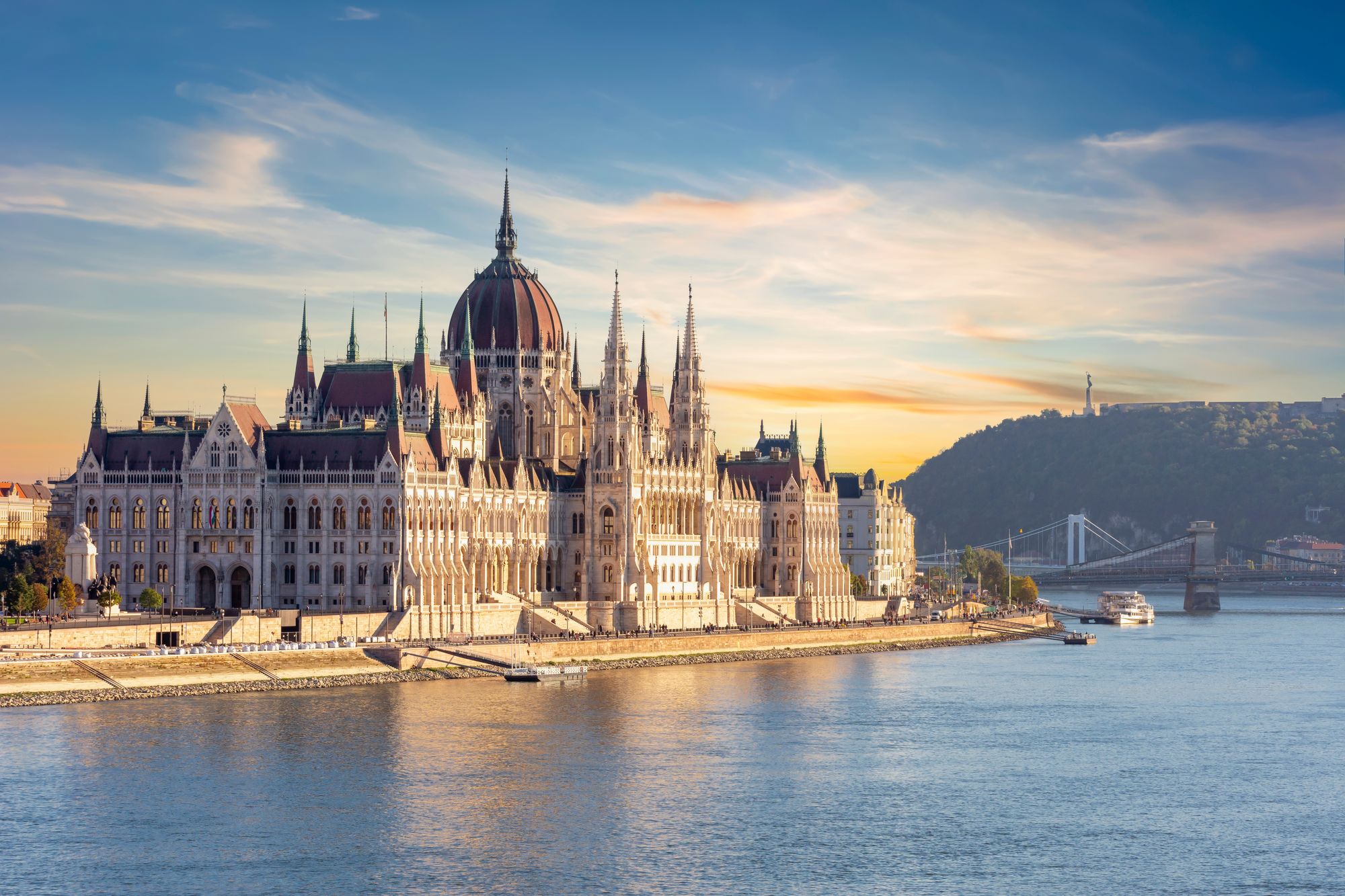
Divided by the Danube River, Budapest tells a story of two historical cities — Buda and Pest — that grew together over centuries. The Parliament Building stands on the riverbank, its Gothic spires reaching toward the sky, while across the water, Buda Castle watches over the city from its hilltop perch. Between them, the Chain Bridge connects not just the two sides but also the past and present.
In spring, the city parks burst with flowers, and locals emerge from winter to fill outdoor cafés. Fall brings golden light that bathes the limestone buildings in warm hues as people stroll along the riverside promenades. These seasons let visitors explore without the summer heat or crowds.
Every evening, the lights of St. Stephen's Basilica frame musicians playing Mozart and Liszt. At Széchenyi Baths, locals have soaked in the thermal waters for generations, sharing gossip and chess games.
In the Jewish Quarter, old factories and abandoned buildings have become ruin bars where people gather under mismatched lamps and reclaimed furniture to share pálinka, the local fruit brandy.
- How to get to Budapest
- -Direct flights from major European cities to Budapest Ferenc Liszt International Airport
- -Train connections via the European rail network with regular services from Vienna, Prague, and Bratislava
- -River cruises along the Danube, connecting Budapest with other European capitals
2. Siófok
Along the southern shore of Lake Balaton, Hungary's inland sea, Siófok invites visitors to walk barefoot on its golden beaches. Children build sandcastles while the shallow waters of Europe's largest freshwater lake warm quickly in the summer sun. As evening approaches, restaurants along the waterfront fill with people eating freshly caught fish and drinking the local white wines.
The town comes fully alive from June through August. Morning light sparkles on the lake as paddleboarders glide across its surface. By afternoon, sailboats dot the blue horizon, and as darkness falls, music spills from open-air bars where people dance until sunrise.
Weekend beach parties bring DJs and light shows to the shore. During the day, windsurfers catch breezes across the lake, often giving impromptu lessons to onlookers. As the sun sets, musicians set up along the promenade, playing everything from traditional Hungarian folk tunes to modern hits.
- How to get to Siófok
- -Direct train from Budapest Déli station (approximately 1.5 hours)
- -Bus services from Budapest's Népliget station with regular daily departures
- -Ferry and catamaran services connecting Siófok with other Lake Balaton towns
Tips for Traveling to Hungary
VISA & ENTRY
- EU citizens: ID card only
- Non-EU citizens: A Schengen visa is often required (apply 2-4 weeks ahead)
- Valid passport needed (6+ months validity)
CULTURAL ETIQUETTE
- Greet with a firm handshake
- Remove your shoes when entering homes
- Tipping: 10-15% in restaurants
MONEY MATTERS
- Currency: Hungarian Forint (HUF)
- Cards are widely accepted in cities
- ATMs available; notify your bank before travel
HEALTH & SAFETY
- Emergency: 112
- Travel insurance recommended
- Tap water is safe to drink
- No special vaccines required
TRANSPORTATION
- Budapest metro/trams are efficient
- Intercity trains are reliable
- Bus network is extensive
- Uber is unavailable; use Bolt/Főtaxi