
Transportation in Greece: The Best Ways to Get Around
Find the ride you need in

Learn all about the transportation in Greece before you step foot in the country! Discover diverse travel options to take you to all the incredible places on your itinerary. Plan your journey now!
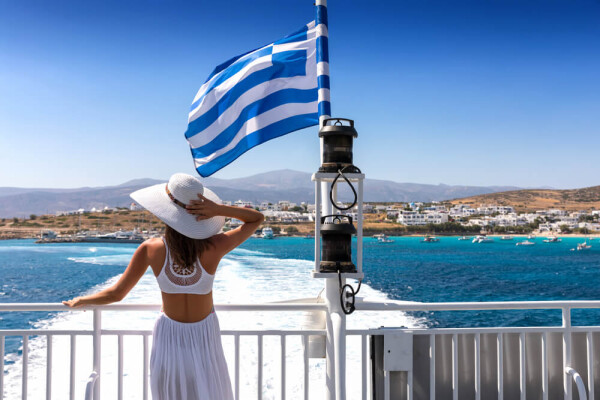
Every year, millions of tourists descend on Greece to fulfill their Mediterranean dreams. The country has endless rich history and vibrant culture just waiting to be explored, but first, figuring out transportation in Greece is crucial.
Traveling around in a foreign country is a little daunting, but it doesn’t have to be.
If you’re wondering how to get around, then look no further. Although remote areas of the country are harder to access, most travel is straightforward.
Whether figuring out the most common transportation or navigating public transport, read on for everything you need to know about the best way to travel around Greece.
Transportation Options in Greece
Traveling Greece by Flight

Transport in Greece varies according to your needs and whether you are lucky enough to have a luxury budget.
The main international airport is just outside Athens and connects to smaller airports around the scattered nation. But, if public transportation doesn’t appeal, you can navigate the country using domestic flights.
Aegean Airlines is Greece’s largest airline, and with its subsidiary Olympic Airlines, it operates most of the domestic flights in the country. Smaller airlines, like Sky Express, are more expensive.
Most airlines prioritize e-ticket sales through the web and call centers, but you can find a few walk-in offices in Athens to purchase tickets from. However, any ticket bought through a travel agency demands a fee.
While airfares are reasonable, the cheapest seats sell quickly, particularly during high season and weekends. Additionally, many locals travel from the cities to the islands for long weekends, so make your reservations at least a month ahead.
Fares to and from the islands usually cost double the price of a ferry journey. On inter-island routes with limited ferry options, it is money well spent to avoid the long journey. Some inter-island flights are cheaper than a catamaran or hydrofoil boat.
In 2020, Greece started subsidizing airline services to more than 12 Greek islands, which means it can be cheaper to book each segment of your itinerary separately.
Luggage limits on smaller flights are strictly enforced, typically maxing out at 15kg. If you have arrived from overseas or purchased your ticket outside the country, the standard international limit of 20-23kg should apply.
Traveling Greece by Train
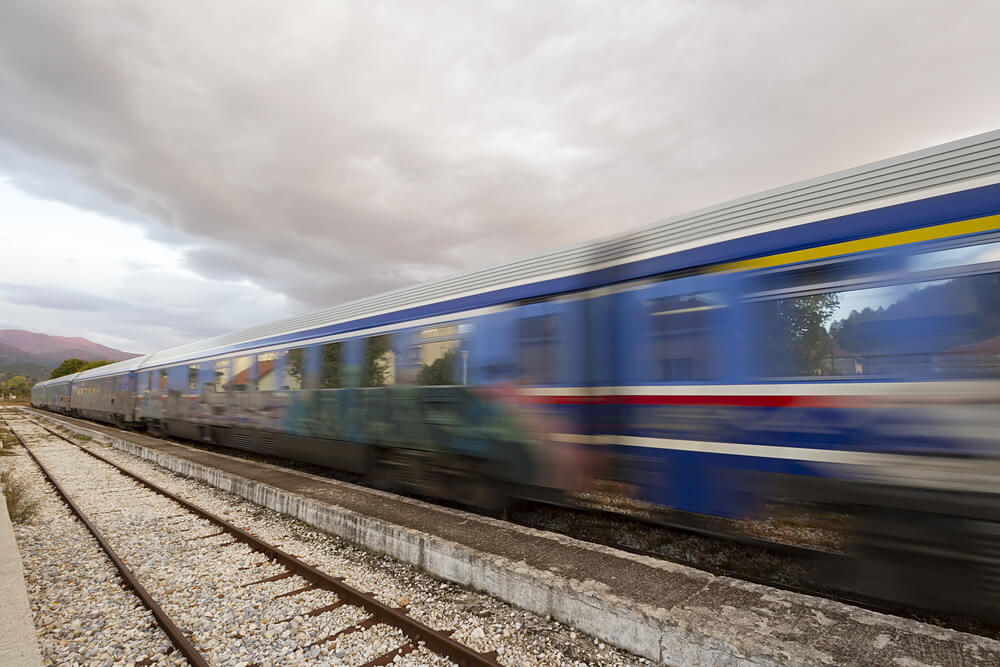
If you want to prioritize a relaxed, slower pace of travel, then getting around in Greece by train is ideal. The network is limited, but trains are a scenic option if you have plenty of time to spare. The country’s railway system is operated by Hellenic Train, renamed from OSE in 2021.
There are two types of trains: regular (slow) trains that stop at all stations and intercity (fast) trains that only stop at major cities. All intercity trains have 1st and 2nd class seats, air conditioning, and a restaurant-bar coach.
Trains are slower than the bus network, but it’s often significantly cheaper than other modes of transportation in Greece. Off-peak and non-express services are cheaper, and tickets at peak hours will cost more.
Train fares are comparable to the rest of Europe. Tickets to Thessaloniki from Athens start, on average, from €35/$38.39.
When getting around Greece, you can book a train ticket either online or at the train station. Stations with computerized facilities allow you to reserve a seat at no extra charge.

Pro tip: Avoid buying your tickets on board because it will carry a 50% penalty charge.
The lucky under-26s and over-60s can get a 25% discount in off-peak seasons for non-express trains. People using InterRail and Eurail passes should still secure reservations and pay a supplemental fee for express services.
Pro tip: Greece publishes annual timetables as small, Greek-language booklets, but constant service changes or reductions make these unreliable. Get up-to-date timings online or at the train station.
Still eager to explore more of Europe? The train service has lines that cross the border with North Macedonia and Serbia and onto other countries in central Europe.
Traveling Greece by Bus
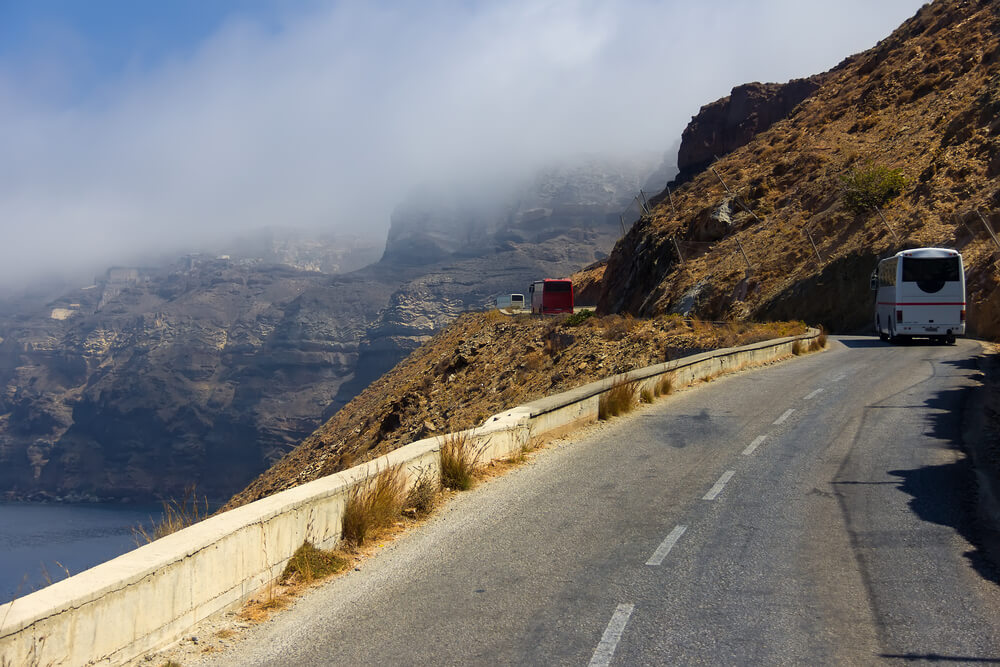
The bus system is the best and most common public transportation. Transport in Greece can be hit or miss, but the bus network is efficient, affordable, punctual, and comfortable.
If you do not mind bumpy roads, the bus is the best answer for how to get around.
The majority of the bus transportation network is run by a collective of companies under the umbrella of KTEL, or Kratikó Tamío Ellinikón Leoforíon. Every KTEL collective runs independently, operating services in its county and to the main towns of nearby regions.
Major routes are the most well-serviced, with prompt and regular departures. Routes on secondary roads will be less frequent. Most medium-to-large towns have a daily service to nearby cities.
On the mainland, at least one service will be going to Athens every day. Smaller towns and villages have at least one daily bus service.
Even the most off-the-beaten-track destinations will have a bus connection to the nearest provincial capital a couple of days a week. These largely operate for the benefit of locals visiting the nearest town rather than tourists.
Services in more remote areas usually leave early in the morning and return early in the afternoon.
On the islands, a bus route connects the main town with the port. The timetable is aligned with ferry arrival and departure times.
Bus tickets
Major departure points have computerized ticketing, complete with assigned seating.
But, secondary rural and island routes operate on a first-come, first-served basis. A conductor will dispense your ticket in person, and the price will be fixed according to distance, regardless of whether it is peak season.
You can buy tickets onboard. It won’t save you cash or a seat, though. So be prepared to stand during peak season. A ticket from Athens to Pátra costs approximately €27/$29.61.
Once you have booked your ticket, arrive at least 20 minutes before departure.
Don’t forget to carefully identify your departure point. In smaller towns, your bus station could be a bus stop outside a cafe or restaurant that acts as a booking office. Large cities or medium-sized towns, such as Patra, Athens, and Thessaloniki, have multiple bus stations or terminals serving different regions.
Getting lost or going to the wrong station is easy, so be mindful of your surroundings!
Traveling Greece by Rental Car, Motorcycle or Taxi
Car
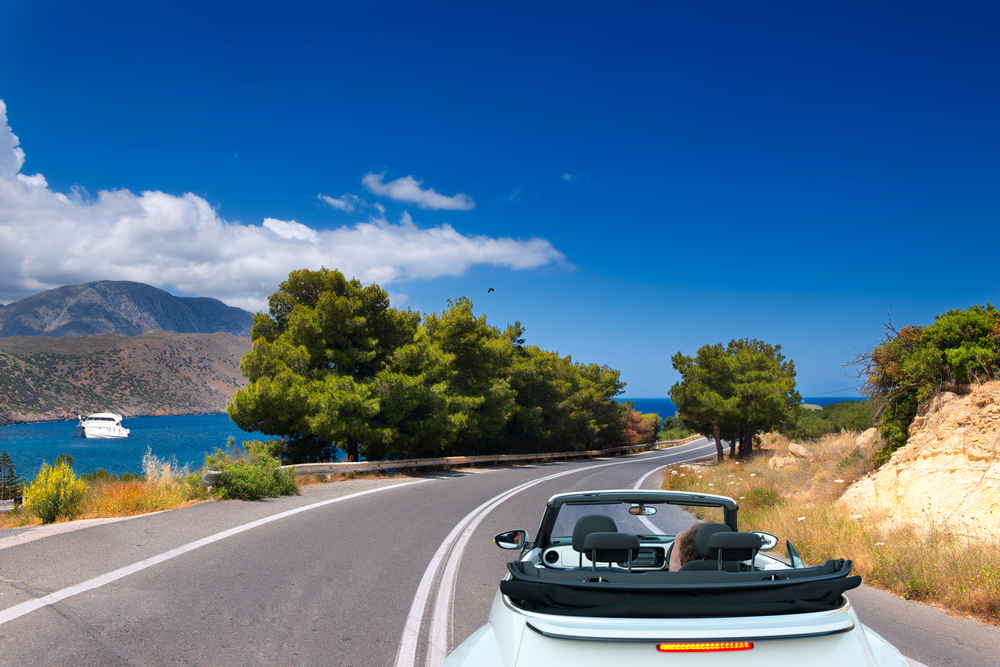
Greece is a breathtakingly beautiful country often best enjoyed out the window of a slow-moving vehicle. So, if tackling Greek transportation via the public system is unappealing, renting a car might be your best option.
The minimum age requirements for rentals vary from 21 to 23, and agencies will need a blank credit card slip as a deposit in case of any damages. Anyone with a driver’s license issued by any European Economic Area does not need additional paperwork, but anyone outside these territories will need an international driving permit to drive in Greece.
Motorcycles

Renting automatic motorcycles is also a popular option because they make navigating the islands simple, except for remote areas with mountainous terrain. Many islands offer rentals for €12-18 ($13.40-20.10) per day, but you can barter for a lower price during off-peak season.
Manual motorcycle renting is available but can be considerably more expensive. Plus, Greek law stipulates that a full motorcycle driving license is required for any engine over 50cc.
Pro tip: Helmet-wearing is required by law, so do not skip out on the helmet to avoid a bad hair day.
Taxis
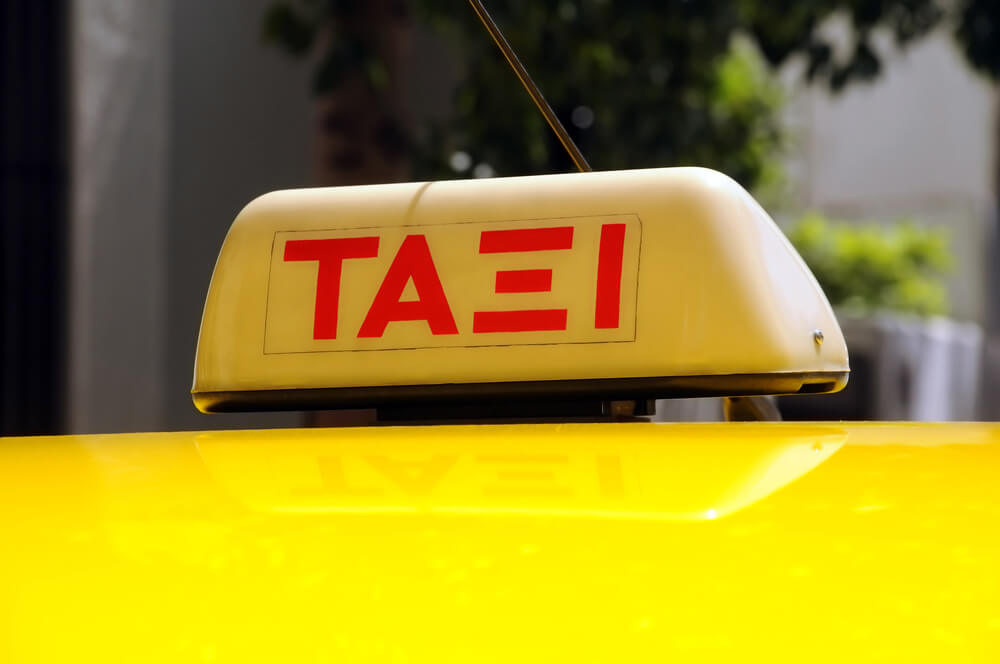
As long as you have an honest driver, Greek taxis are the cheapest in the Mediterranean.
Taxi drivers must use the meter inside the city or town limits. Just make sure that the driver switches on the meter when starting your journey. Also, some drivers are notorious for using hidden electronic devices that mess with the meter and drive up the price. Keep your eye on the meter throughout your journey.
On some of the islands, drivers have set rates for specific routes.
Pro tip: Always find out if it’s a metered fare or a set rate before getting into the taxi.
Generally, the meter throughout Greece starts at €0.85/$0.95; the minimum fare is €1.75/$1.96. They will charge you an extra €0.35/$0.40 per piece of luggage placed in the trunk.
Additionally, there is a surcharge when leaving or entering an airport—€2/$2.23 for most airports and €3/$3.35 in Athens—and a €0.80/$0.90 surcharge when leaving a harbor area.
Best Ways to Travel Between Greek Islands
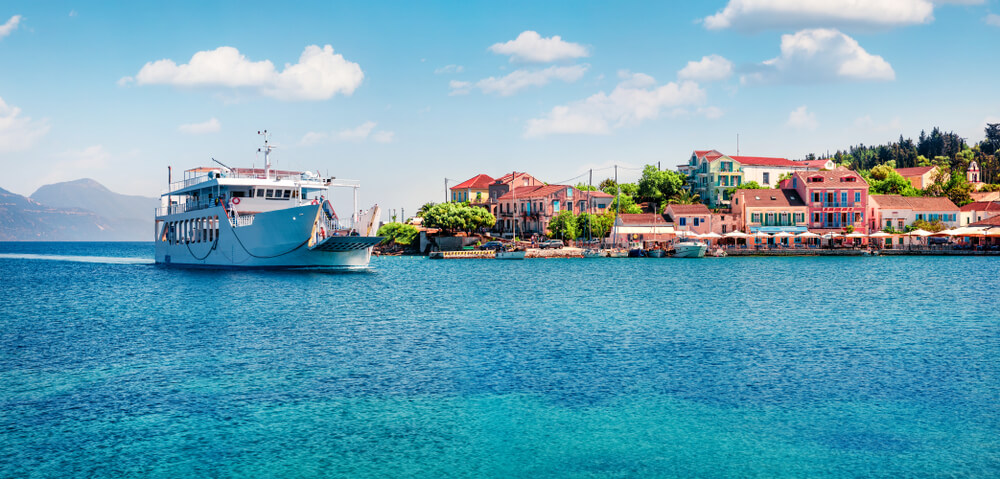
Transportation in Greece is synonymous with ferries carrying people to its network of beautiful islands.
Various boats connect the country’s 227 islands, making island hopping nice and easy.
During the summer months, ferries run frequently, making island hopping simple. The boats run smoothly but can be postponed or delayed due to inclement weather, such as high winds, particularly in winter.
Several ferries run from Ancona, Bari, Brindisi, and Venice in Italy to Greece’s western ports of Patras, Corfu, and Igoumenitsa. Routes also connect Turkey to the Dodecanese Islands and some Eastern Aegean islands, such as Chios and Samos.
Let’s dive into the details of how to get around the islands…
Traveling Greece by Ferry
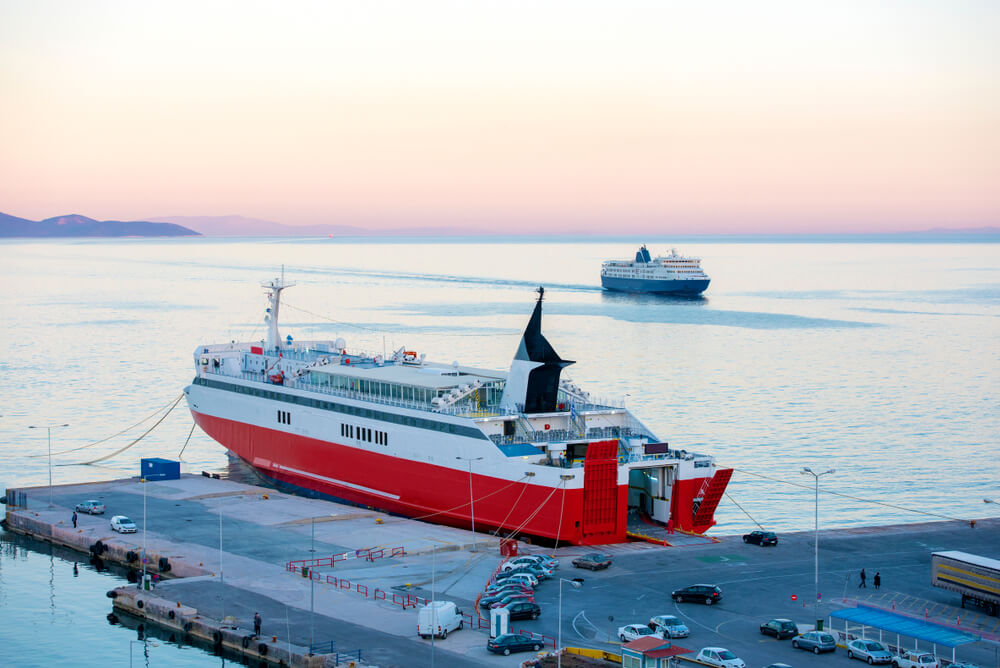
Although Piraeus is the central port of Athens, many ferries also depart from Lavrio and Rafina. The majority of ferries are modern and comfortable, but some peripheral routes have older boats in operation. They will get you to your destination, just in a little less style.
The length of your journey varies depending on the weather, how many stops the ferry makes, and the age of the ferry. For example, a trip from Piraeus to Santorini could take five to fourteen hours. And you’ll definitely want to get to Santorini’s black sand beaches.
Services to and from Athens run all year round, and ferries continue services to the main islands. However, in the winter, service is sparse. But still, it’s the best way to travel between islands.
Some of the major ferry operators are Golden Star Ferries, Hellenic Seaways, Anek Lines, Minoan Lines, and Blue Star Ferries.
Ferry tickets
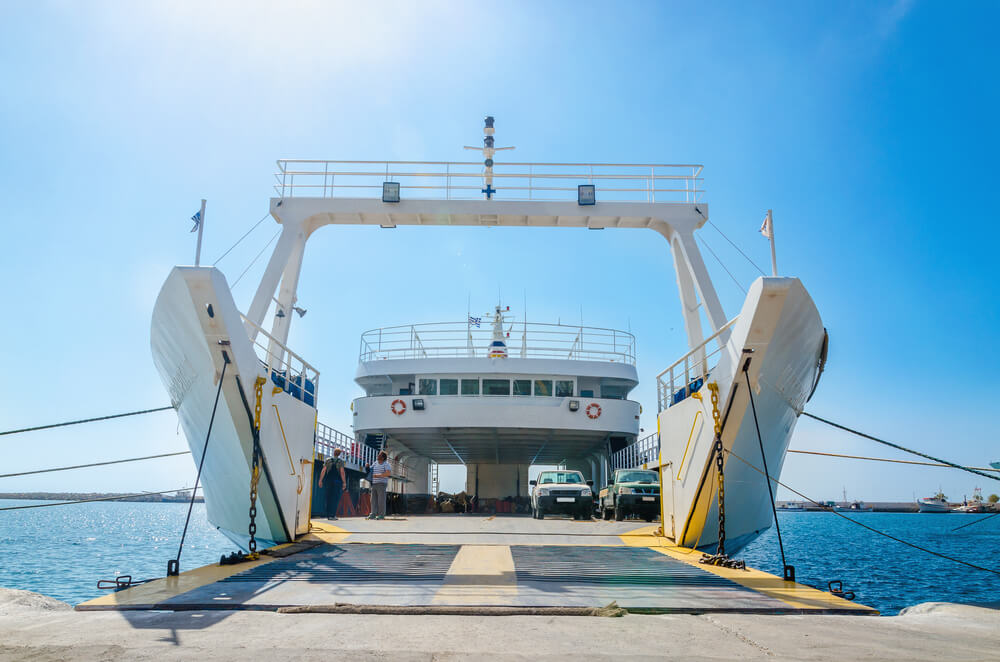
Ferry fares are generally affordable, but it’s worth shopping around before choosing. If you’re eager to save money, remember a slower boat equals a lower price.
The system is computerized, and tickets can be bought online, but you can buy them at the port too. Services can drastically change throughout the year, so keep an eye on timetables for any changes. The summer timetable is announced right before peak travel season.
Pro tip: Don’t assume you can show up and buy a ticket on board. You may get turned away.
However you buy your ticket, show up at the port at least 15 to 30 minutes before departure to collect your physical ticket from the office.
A ticket will guarantee a space on the deck or inside a crowded public lounge, but if you want a seat, buy your ticket at least one day before departure. If you want a cabin berth or a space for a car, book as far in advance as possible to claim a spot.
The cheapest ferry fare option is called ikonomikí thési, which gives customers free rein of most of the boat except the upper-class restaurant and bar. You will be sold this ticket unless you specify otherwise.
For longer journeys, save yourself the back pain and spend the extra cash on a cabin bunk. Second-class cabins amount to quadruple the price of a single passenger, and first-class double cabins with en suite bathrooms often equal the price of a flight.
Cars and motorbikes on ferries
Travelers with motorbikes and cars will be issued separate tickets. The prices drastically rise for vehicles. For example, a ferry between Samos and Piraeus could cost about €28/$31.30 per passenger and €100/$111.70 per car.
Traveling Greece by Hydrofoils, Catamarans and High-speed Boats
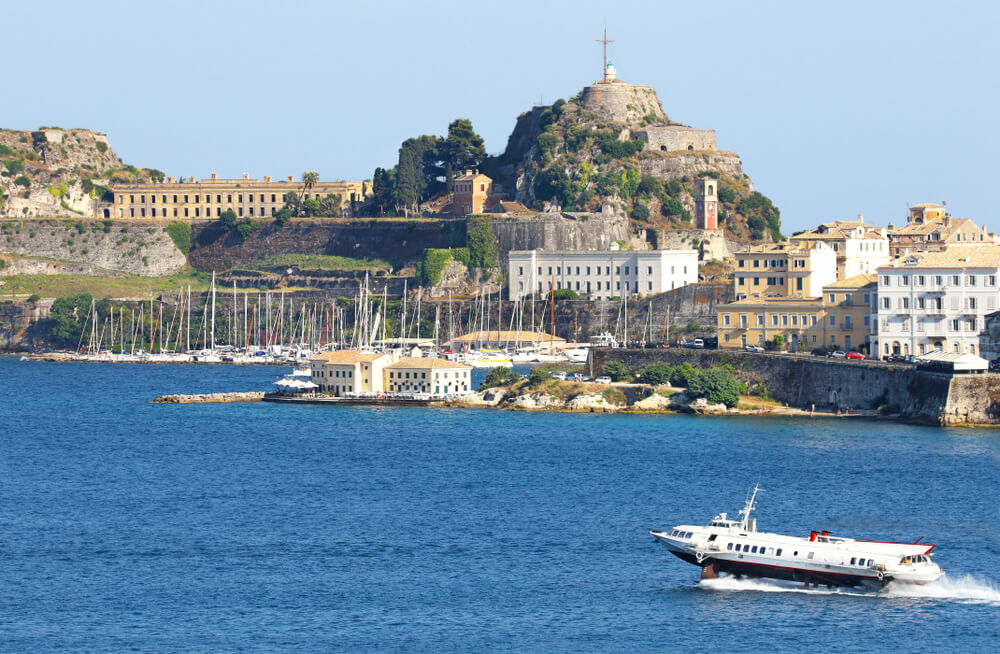
Hydrofoils, otherwise known as flying dolphins, fill in the gaps in the ferry schedule and demand twice the price of a ferry ticket. But, if you are willing to spend a little more cash, a hydrofoil is quicker than the ferry.
The main drawback of hydrofoils is that they always get canceled first in lousy weather. Plus, you will feel every wave, even in calm seas, so avoid them if seasickness is a vulnerability.
Hydrofoils operate a reduced service between October and June. They cannot carry scooters or bicycles.
Catamarans and high-speed boats offer a speedier journey at double the price of a ferry.
Just like hydrofoils, catamarans and high-speed boats don’t run between October and April.
Traveling Greece by Small Boats
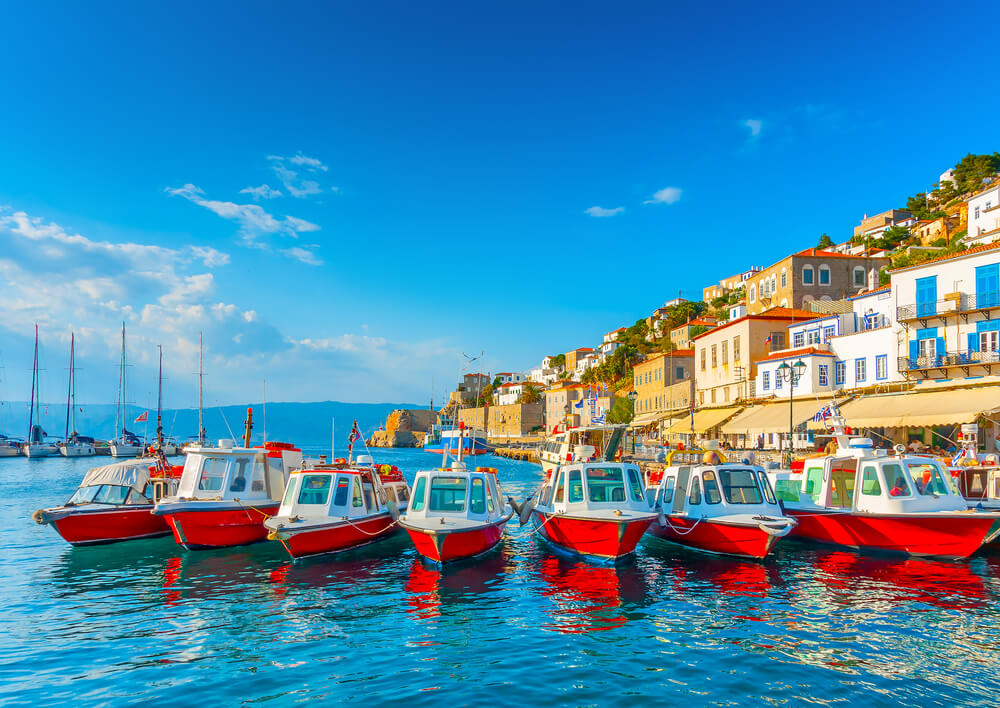
Smaller boats are a good option when sailing between adjacent islands or to more obscure satellite islets. They offer pleasant rides, but prices soar above the cost of a mainline service.
Swarms of taxi boats shuttle clients between set routes to remote beaches that are reached via a long trek overland. Costs for these smaller boats can be very high, and they mostly charge per person instead of per boat.
Keep Calm and Enjoy the Ride
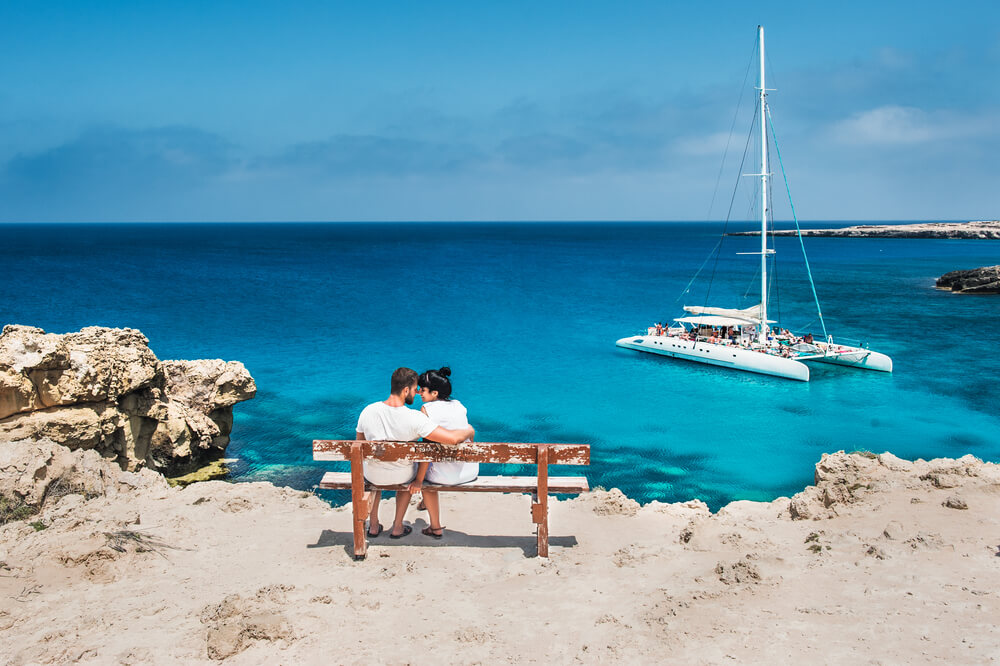
Transportation in Greece is as varied as the country itself. Whatever option you go for, there is no doubt you will enjoy your time in this magnificent part of the world.
Try not to get stressed out, and remember, navigating is as easy as you make it. Crowds are guaranteed in peak seasons, but a good attitude and plenty of water will keep you happy until arriving at your final destination.
Exploring Athens, Mykonos, and the incredible beaches of Rhodes makes it all worth it.
FAQ
The bus network. It’s the most well-connected form of public transportation in the country. Buses are available almost everywhere, even in the most remote regions.
Hop on a ferry or plane. The ferry is undoubtedly cheaper, but it’ll take you longer. If you want to spend money to save time, splash out on a flight.
The bus or train network. Trains may be slower than buses, but it is the cheaper option. If you want to spend more and get there faster, opt for a bus.
It’s excellent. Although the train networks are not comprehensive, the bus operators fill in the gaps. It’s also very affordable, and the country is well organized to deal with its constant influx of tourists, so do not worry if you cannot speak any Greek.