

Book minivan, car, bus, or flight tickets in
Armenia
- Book online with local operators
- We're here for you 24/7
- Stories by travelers, for travelers


Popular routes
Tbilisi to Yerevan
Yerevan to Tbilisi
Dubai to Yerevan
Yerevan to Sharm El Sheikh
Yerevan to Sharjah
Yerevan to Marneuli
Yerevan to Larnaca
Marneuli to Yerevan
Istanbul to Yerevan
Yerevan to Dilijan
Tbilisi to Ijevan
Dilijan to Yerevan
Armenia Travel Guide: Everything You Need to Know
Join us on a journey through Armenia with our comprehensive travel guide. Discover the perfect time to visit based on weather patterns and seasonal highlights. Learn practical tips on transportation options to navigate this captivating country with ease. Explore Armenia's most vibrant cities and breathtaking destinations while savoring traditional delicacies that will delight your taste buds. Our guide also reveals secret locations and lesser-known treasures that most tourists miss, ensuring an authentic Armenian experience.
Weather and Best Time to Visit
Yerevan & Ararat Plain: May-June and September-October offer pleasant temperatures (20-30°C/68-86°F). July-August is hot (30-35°C/86-95°F), while winter (November-March) is cold with occasional snow.
Lake Sevan & Northern Armenia: June-September provides ideal conditions with warm days (18-25°C/64-77°F) for enjoying the lake and mountain areas. Winters are quite harsh with heavy snowfall.
Syunik & Southern Armenia: April-October is excellent for exploring, with mid-summer (July-August) temperatures reaching 25-30°C/77-86°F. Winter months see milder conditions than the north.
Lori & Tavush (Northeastern Forests): May-October offers comfortable weather for hiking and exploring monasteries. September brings beautiful autumn colors to the forests.
Vayots Dzor & Wine Country: Late August-October coincides with the grape harvest, making it perfect for wine tourism with comfortable daytime temperatures around 20-25°C/68-77°F.
Traveling by Season
The High Season: June-August
Summer is Armenia's busiest tourist period. Temperatures typically range from 24-35°C (75-95°F) in Yerevan, with cooler conditions in mountain areas. The weather is mostly dry and sunny with little rain.
Accommodation costs increase by 30-50%, attractions become crowded, and you'll need to book popular hotels and tours in advance. Lake Sevan's beaches are busy, and you can enjoy numerous cultural festivals. While this is the best time for hiking and outdoor activities, be aware that midday heat in cities can sometimes be uncomfortable.
The Low Season: November-March
Winter sees fewer visitors. Temperatures range from -4-7°C (25-45°F) in Yerevan and drop below freezing in highland areas. Snow is common, especially in mountains, which can affect road travel.
Ski resorts like Tsaghkadzor become active during this period. Many rural accommodations and some restaurants close for the season, though city establishments stay open. Prices decrease by 30-40%, offering good value. Some remote monasteries may be hard to reach due to snow. Bring warm clothing and plan for shorter days.
The Shoulder Season: April-May & September-October
Transitional months offer the best balance of good weather and value. Spring (April-May) brings temperatures of 13-24°C (55-75°F) with some rain and flowering landscapes. Fall (September-October) has similar temperatures with colorful foliage and harvest celebrations.
Prices are 15-25% lower than in summer, with good availability and fewer tourists. Weather can change quickly, so pack layers to stay warm. Spring may have muddy conditions after the snow melts, while fall generally offers more stable weather.
How to Get to Armenia
Armenia has two main airports that serve as entry points to the country. Zvartnots International Airport is located near Yerevan and handles about 3 million passengers annually. It offers flights from various European and Middle Eastern destinations, serving both tourists and returning Armenian citizens.
In the north, Shirak Airport serves Gyumri, Armenia's second-largest city. This smaller facility operates fewer flights, many of which are seasonal.
These airports connect Armenia's major cities to international destinations:
There are very few domestic flights within Armenia since the country is relatively small and driving between cities is typically more practical. For visitors, these airports provide the primary access points to explore Armenia's unique blend of Soviet-era heritage and ancient historical sites.
Cross-Border Travel to Armenia
Armenia is located in the South Caucasus region. You can reach it by air or overland routes, with the latter offering mountain views and a gradual introduction to Armenian culture.
From Georgia: Tbilisi to Yerevan, marshrutkas (shared minivans) travel through Debed Canyon on a 5-6 hour journey. They depart from Ortachala or Avlabari stations when full. The Tbilisi to Dilijan route takes 3-4 hours and brings you to Armenia's "Little Switzerland." For a less crowded option, consider the Tbilisi to Ijevan connection (3 hours). From the Black Sea area, take the Batumi to Yerevan overnight bus (12 hours).
From Turkey: The Kars to Gyumri crossing shows changing landscapes between countries. Border processing times vary significantly, from 30 minutes to three hours. Always check the current border status before traveling, as political tensions can cause closures.
From Azerbaijan: Due to the Nagorno-Karabakh conflict, direct crossings are closed. You must travel through Georgia instead, which adds at least one day to your journey.
- Within Armenia: Marshrutkas and shared taxis connect most destinations. The Yerevan to Sevan one-hour route takes you near the lake. Be ready to negotiate your return trip as formal schedules may not be strictly followed.
How to Get Around
When people land at Zvartnots International Airport in Yerevan, they begin a journey through a country where movement tells its own story. In Armenian cities, marshrutkas — small minivans packed with locals — zip through the streets, stopping whenever passengers need. For just a few coins, travelers can hop on and off these vehicles that follow set paths through neighborhoods and town centers.
Beneath Yerevan, the metro carries people through cool, underground stations. With just one line, even first-time visitors quickly learn their way around the capital. Above ground, taxis wait at corners and can be hailed with apps like GG and Yandex Taxi, connecting riders to drivers within minutes.
Between cities, coaches carry passengers along highways, while marshrutkas tackle the winding roads to smaller villages tucked between mountains. Those who rent cars discover that Armenia's compact geography means morning coffee in Yerevan can be followed by afternoon walks in distant valleys.
The roads tell Armenia's story, too. Smooth highways near cities give way to country lanes where cows sometimes claim the right of way. Visitors who want to arrange transportation ahead of time can contact Cheap Transportation or Hayreniq Tour for help planning their routes.
Food Scene
Armenian kitchens tell stories that stretch back thousands of years.
When meat sizzles over open flames on Proshyan Street in Yerevan, nicknamed "Barbecue Street" by locals, you're experiencing khorovats — not just a meal, but a social ritual where families gather. The smell of charcoal and marinated meat fills the air as cooks tend skewers with practiced hands. Dolma arrives at tables, grape leaves wrapped around spiced rice and meat that require patience and skill to prepare.
During celebrations, ghapama appears: a hollowed pumpkin filled with rice, dried fruits, and nuts that steams from within when the lid is cut open.
Morning at GUM Market means watching women roll paper-thin lavash bread on padded cushions before slapping it against the walls of clay ovens. Farmers arrange mountains of apricots in summer, while others offer tastes of homemade cheese from small villages.
Hungry walkers on Northern Avenue stop for lahmajun, a thin dough topped with minced meat, herbs, and a squeeze of lemon, which is folded and eaten on the go.
Hidden Gems
Deep in the forests near Ijevan, Lastiver Caves tell stories from centuries past. During medieval times, people hid here when invaders swept through the land. Today, these limestone formations stand as quiet witnesses to history while offering natural wonders to those who make the journey.
Around the caves, clear forest springs bubble up from the earth, and waterfalls pour over moss-covered rocks. Tall trees create patches of shade and sunlight on the forest floor, different from many other Armenian landscapes.
Between May and September, the paths stay dry and accessible. Summer visitors can cool off in the natural pools formed by the streams. When September turns the leaves red and gold, the forest transforms completely.
To reach this place:
- Start in Ijevan and take a taxi to Yenokavan village — it takes about 20 minutes. From there, you can walk the forest trail for about an hour and a half, covering 5 km/3 miles through the woods.
- If walking isn't your thing, local drivers with 4x4 vehicles can take you closer.
The villagers in Yenokavan know these forests well. They can show you spots most visitors never find and tell you old stories passed down through generations.
Scenic Routes
Armenia's mountains tell stories through their landscapes, places where ancient monasteries stand watch from cliff edges and valleys stretch wide under changing skies.
Car Journey through Dilijan National Park: The road curves through forests where sunlight filters between leaves and meadows where wildflowers grow close to the ground. In autumn, the trees wear red and gold. Having your own car means stopping when a particular view catches your eye, perhaps a lake reflecting clouds or a wooden house where smoke rises from the chimney.
Yerevan to Tatev by Bus: The bus climbs and descends, showing you villages built into mountainsides and gorges carved by centuries of flowing water. In spring, patches of color dot the hillsides as flowers open. From your seat, you'll see the whole story of the land unfold before reaching the cable car that carries people to Tatev Monastery.
Sevan Railway Experience: The train follows Lake Sevan's edge, where water meets mountain and sky. Summer brings locals and visitors to swim and eat fresh fish at lakeshore restaurants. Looking through the train windows, you'll see the lake change colors with the moving sun.
Events, Festivals and Local Markets
Yerevan Wine Days turns the streets of Yerevan into a gathering place each May. Winemakers from small local vineyards pour glasses of ancient Armenian varieties like Areni Noir, while neighbors chat over cheese plates and fresh bread. The scent of oak barrels mixes with laughter as evening falls.
When summer arrives, the Golden Apricot International Film Festival brings storytellers to Yerevan. Audiences sit shoulder to shoulder in darkened theaters, watching tales from Armenia and beyond unfold on the screen. Afterward, directors and viewers discuss the films over coffee in street-side cafés.
At the Dolma Festival in Yerevan, grandmothers share their family recipes for this wrapped delicacy. Some people make grape leaves with rice and herbs, while others fill cabbage with spiced meat. The air fills with the aroma of simmering pots as visitors taste dozens of versions, each with its own story.
When autumn leaves begin to fall, the Yerevan Jazz Festival warms Yerevan with its sounds. Musicians from Armenia and abroad play in old stone buildings and modern venues. The notes flow through open doors into the streets, where people stop to listen, tapping their feet to the rhythm.
Best Places to Visit
1. Yerevan
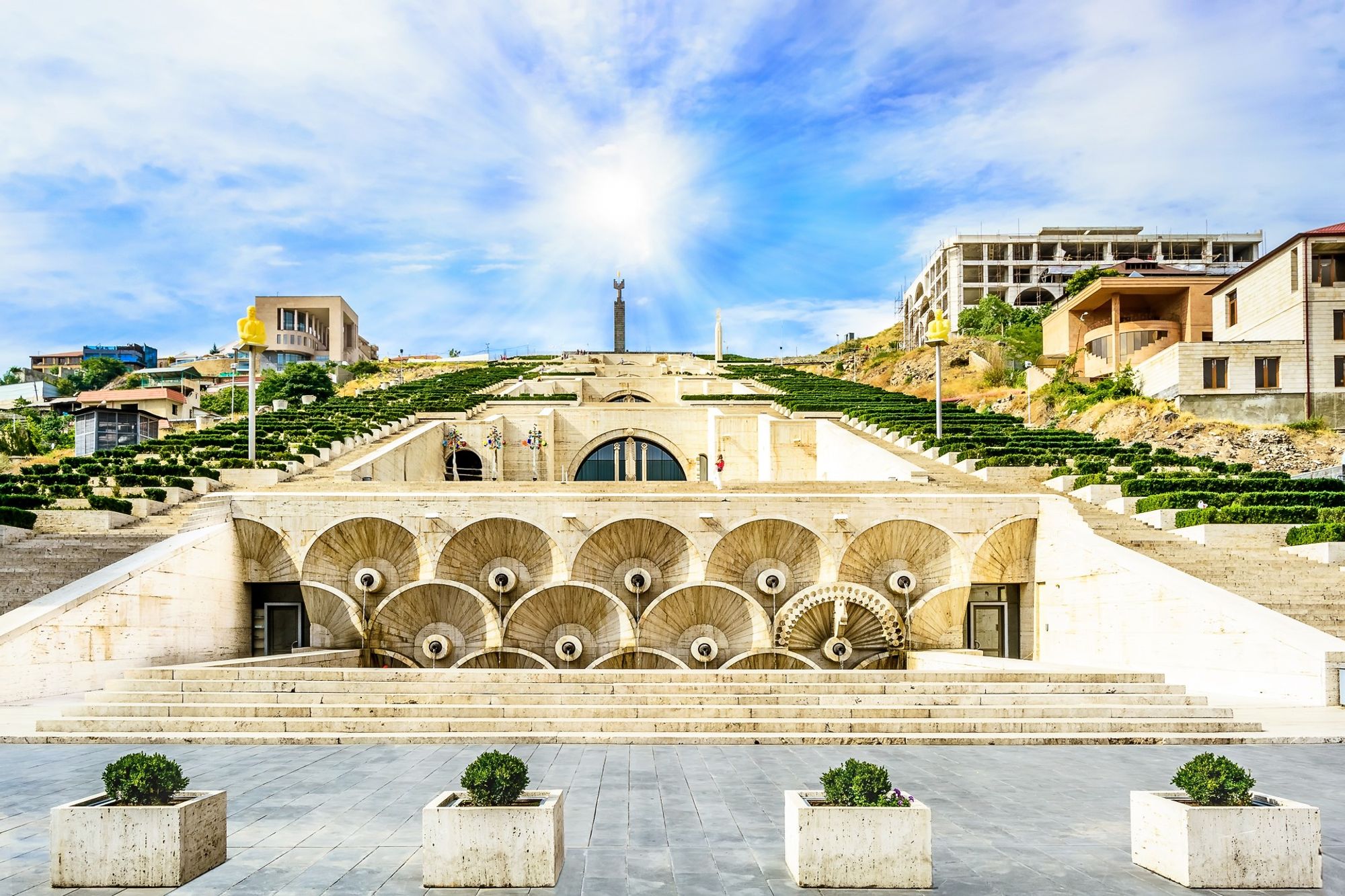
In Armenia's capital, Yerevan, history doesn't just exist in museums. It surrounds you. The distinctive pink tuff stone buildings around Republic Square earned the city its "Pink City" nickname. From the Cascade Complex's steps, Mount Ararat appears on clear days, standing tall across the border.
Between May and October, Yerevan comes to life. The weather lets people linger at outdoor tables with coffee or wine until late evening. Spring covers the city in flowers, while autumn brings golden days perfect for wandering.
At the Sunday Vernissage market, wood carvers shape chess pieces while silversmiths hammer intricate patterns. The Opera House fills with music several nights a week, and small jazz clubs hide in courtyards where musicians play until midnight.
- -Direct flights to Zvartnots International Airport from major European cities
- -Marshrutkas (minibuses) connect Yerevan to neighboring countries
- -Train services from Tbilisi, Georgia (approximately 7 hours)
2. Dilijan
Deep in Armenia's forested mountains sits Dilijan, where wooden balconies hang from stone houses and morning mist clings to pine trees. Monasteries stand quietly in clearings, while the Old Dilijan Complex houses workshops where artisans continue centuries-old techniques.
Summer brings perfect hiking weather with temperatures that never overwhelm. In early autumn, the forests turn red and gold, creating a colorful backdrop for photography or simply sitting with a book.
Every weekend in Dilijan National Park, guides point out rare plants and animal tracks along forest paths. At the Composers' Union Resort, musicians perform in a wooden hall where sound bounces off century-old beams and drifts into the forest.
- How to get to Dilijan
- -Daily marshrutkas from Yerevan's northern bus station (1.5 hours)
- -Private taxi from Yerevan (comfortable option, approximately $30)
- -Tour buses that include Dilijan as part of northern Armenia excursions
3. Lake Sevan
Lake Sevan sits like a turquoise mirror at 6,200 feet above sea level. The Sevanavank Monastery watches over the water from its peninsula perch, where monks chose this spot for solitude centuries ago. Today, the shoreline balances peaceful corners with lively beach areas.
July and August bring swimmers to Sevan's waters when the high-altitude sun warms the lake enough for comfortable swimming. Even in summer, evenings often require light jackets, as the mountain air keeps temperatures pleasant.
White sails dot the water during summer regattas at Sevan Yacht Club. As sunset approaches, the lake promenade fills with people stopping to listen to musicians playing duduk, their haunting melodies carrying across the water.
- How to get to Lake Sevan
- -Regular marshrutkas from Yerevan's eastern bus station (1 hour)
- -Train service from Yerevan to Sevan station (scenic route, 1.5 hours)
- -Organized day tours from Yerevan with additional stops at monasteries
Tips for Traveling to Armenia
VISA & ENTRY
- Most Western countries can enter visa-free for 180 days
- E-visa available online ($10 for 21 days) for other nationalities
- Passport must be valid 6+ months from the entry date
CULTURAL ETIQUETTE
- Remove your shoes when entering homes
- Dress modestly at religious sites
- Wait for the host to begin toasting during meals
MONEY MATTERS
Armenian Dram (AMD) is the local currency
- Credit cards are widely accepted in cities
- ATMs are readily available in urban areas
- Carry small bills for taxis and market purchases
HEALTH & SAFETY
- Call 911 for emergencies
- Get travel insurance that includes evacuation coverage
- Tap water is safe to drink in Yerevan, but use bottled water elsewhere
TRANSPORTATION
- Marshrutkas (minibuses) provide affordable transportation between cities
- Yandex and GG taxi services are reliable and reasonably priced