

Book car, bus, minivan, or flight tickets in
Bosnia and Herzegovina
- Book online with local operators
- We're here for you 24/7
- Stories by travelers, for travelers
Must visit places in Bosnia and Herzegovina


Popular routes
Sarajevo to Mostar
Split to Mostar
Mostar to Dubrovnik
Sarajevo to Podgorica
Mostar to Sarajevo
Mostar to Split
Dubrovnik to Mostar
Podgorica to Sarajevo
Sarajevo to Belgrade
Belgrade to Sarajevo
Dubrovnik to Sarajevo
Mostar to Kotor
Your questions, Our answers
Which holidays are celebrated in Bosnia and Herzegovina?
These are the holidays celebrated in Bosnia and Herzegovina:
- Bosnian Independence Day
- Christmas
- Good Friday (Eastern)
- Labor Day
- New Year's
- Orthodox Easter
Bosnia and Herzegovina Travel Guide: Everything You Need to Know
Discover the wonders of Bosnia and Herzegovina with our comprehensive travel guide. Learn about the seasonal weather and find out the best time to plan your visit. Our guide offers practical tips on transportation to help you get around easily. Explore the country's top cities and destinations, along with delicious local foods you must try. We'll also reveal hidden gems that most tourists miss, making your journey truly memorable.
Weather and Best Time to Visit
Sarajevo & Central Bosnia: May-June and September-October offer pleasant temperatures 18-25°C (64-77°F) and fewer tourists. July-August brings warm weather but larger crowds.
Herzegovina Region (Mostar, Međugorje): April-October provides ideal conditions with particularly hot summers 30-35°C (86-95°F). May-June and September offer milder temperatures, perfect for sightseeing.
Dinaric Alps & Mountain Regions: July-August is best for hiking with temperatures around 20-25°C (68-77°F). Winter (December-March) offers excellent skiing conditions at resorts like Jahorina and Bjelašnica.
Northwestern Bosnia (Banja Luka, Bihać): May-September provides warm days ideal for outdoor activities and rafting on the Una River. June-August has temperatures of 25-30°C (77-86°F).
Eastern Bosnia (Srebrenica, Višegrad): June-September offers the most reliable weather for exploring this less-visited region, with temperatures ranging from 22-28°C (71-82°F).
Traveling by Season
The High Season: June-August
Summer attracts the most tourists to Bosnia and Herzegovina. Temperatures typically range from 25-30°C (77-86°F), with July being the hottest month. The weather is mostly sunny and dry, though thunderstorms can occur in mountainous areas.
Accommodation prices increase by 30-50%, and popular sites like Mostar Bridge and Sarajevo's old town become crowded. Book hotels and tours well in advance, especially in cities and near attractions like Kravice Falls. Expect higher prices for restaurants and transportation during these months.
The Low Season: November-March
Winter has few tourists except near ski resorts. Temperatures typically range from -5°C to 5°C (23-41°F), with significant snow in mountain regions, while coastal areas stay milder. Many rural attractions and some restaurants close or reduce their hours.
Accommodation prices drop by 40-60%, and you can often negotiate rates. Mountain roads can be difficult to navigate, with occasional closures due to snow. The advantage is experiencing authentic local life without crowds. Sarajevo's Christmas markets in December are worth visiting.
The Shoulder Months
These transitional months offer great value:
- Spring (April-May): Temperatures of 15-22°C (59-72°F) with flowering landscapes but more rainfall.
- Fall (September-October): Pleasant 18-25°C (64-77°F) temperatures and colorful foliage.
Prices are 15-30% lower than during peak season, while most attractions remain open with fewer visitors. The weather can be unpredictable with occasional rain, especially in spring, but it rarely affects travel plans. These periods provide the best balance of comfortable weather, reasonable prices, and manageable crowds.
How to Get to Bosnia and Herzegovina
Four airports connect travelers to the hills, rivers, and old towns of Bosnia and Herzegovina. Sarajevo International Airport serves the capital city, where you can quickly access the historic old town with its diverse architecture and coffee culture. The airport is situated between mountains, making for a scenic arrival.
In the northeast, Tuzla International Airport has developed from a small regional facility into a significant entry point for budget travelers. This airport provides access to the region's salt lakes and medieval fortresses.
Banja Luka International Airport serves the northern plains area, connecting visitors to the city's riverside dining options and the Orthodox monasteries in the surrounding countryside.
During summer months, Mostar International Airport in the south becomes active, providing convenient access to Herzegovina's attractions. From here, you can reach the Kravice waterfalls or Mostar's iconic bridge within an hour's drive.
Each airport serves as an entry point to different regions of the country, each with its own distinct character and attractions.
Cross-Border Travel to Bosnia and Herzegovina
Bosnia and Herzegovina is centrally located in the Balkans and accessible by land from all neighboring countries. Traveling overland offers views of the region's diverse landscapes that you won't see when flying.
Croatia to Bosnia: The Zagreb to Sarajevo bus takes 5-6 hours through mountain terrain, with the trip ending as you see Sarajevo's minarets appear in the valley below. Pack food, as the rest stops have limited options. The Split to Mostar route shows the transition from Mediterranean coastal areas to inland Balkan landscapes. All Croatia routes.
Serbia to Bosnia: The Belgrade to Sarajevo bus journey (7-8 hours) passes through Serbia's farmland before entering eastern Bosnia's mountains. Be prepared for border crossings that can take between 20 minutes and two hours. Train service exists, but it is very slow. More Serbia routes.
Montenegro to Bosnia: The Podgorica to Sarajevo route (6-7 hours) offers spectacular scenery with mountain roads alongside deep ravines. During summer, ferry services connect coastal Montenegro to Neum, Bosnia's small section of Adriatic coastline. More Montenegro routes.
How to Get Around
Bosnia and Herzegovina's transportation network connects its cities and countryside through several practical options.
Buses serve as the main way people move between cities like Sarajevo, Mostar, and Banja Luka. They run often and don't cost much.
The train from Sarajevo to Mostar cuts through mountains and passes alongside rivers, passengers often press their faces to windows as the landscape unfolds.
Inside cities, locals hop on buses and trams to get around. Sarajevo's tram system has been carrying people since the Austro-Hungarian days. Taxis wait at most corners in cities, charging less than what you'd pay in Paris or Berlin. Just watch that the driver starts the meter when you get in.
Renting a car opens up the chance to visit small villages tucked into valleys where buses don't reach. The mountain roads twist and turn, requiring attention but rewarding drivers with unexpected views around each bend. Many travelers say these unscripted detours become their favorite memories.
If you're planning transportation for your journey, consider these trusted options:
- Europcar
- BusBud
- RentalCars
Food Scene
Bosnian kitchens tell stories of history through their pots and pans, where Ottoman techniques meet Mediterranean ingredients on Balkan tables.
In Sarajevo, the scent of grilled meat leads ćevapi — finger-sized meat sausages — on hot grills before serving them with fresh onions and warm bread.
Over in Mostar, morning lines form where women stretch dough paper-thin for burek, folding in fillings of meat, cheese, or potatoes.
Markets & Street Food:
Farmers bring their morning harvests to Markale Market in Sarajevo, where shoppers touch fruits for ripeness and haggle over cheese prices. Wander through Baščaršija's narrow streets to find bakers pulling somun bread from stone ovens, ready to tear and dip into kajmak, a rich cream cheese that melts slightly on the warm bread.
Regional Specialties:
- Sarajevo: Bosanski lonac simmers for hours, meat softening alongside potatoes and carrots in clay pots
- Mostar: Sogan-dolma features onions hollowed out and stuffed with seasoned minced meat
- Banja Luka: Locals insist their version of ćevapi, made with a special meat blend, outshines all others
Hidden Gems
1. Bosnian Pyramid of the Sun (Visoko)
In the small town of Visoko, 40 minutes northwest of Sarajevo, stands a 220-meter hill that some believe isn't a hill at all. Local researchers claim it's Europe's first pyramid, while skeptical archaeologists see a natural formation with an unusual shape. What makes people wonder are the underground tunnels running beneath it and instruments that detect unusual electromagnetic readings, unlike anywhere else in the area.
Visitors walk these passages, touching the cool stone walls, wondering what secrets they might hold. The quiet spring mornings or crisp fall afternoons offer the best experience, when you'll likely have parts of the site to yourself. You can drive there independently or join others in a van from Sarajevo, exploring at your own pace once you arrive.
2. Lukomir Village (Konjic)
High up on Bjelašnica Mountain, where the air grows thin at 1,495 meters, sits Lukomir. In this remote outpost, older residents still tend sheep as their grandparents did, moving between weathered stone houses with distinctive steep roofs designed to shed heavy snow. Life here follows patterns established centuries ago. The mountain roads disappear completely under snow each winter, cutting the village off from the modern world.
Between June and September, when wildflowers dot the surrounding slopes, you can make the journey there. It takes a sturdy vehicle with four-wheel drive to navigate the rough mountain road from Konjic, or you could join hikers who approach on foot, following paths that wind through deep canyons and open meadows. The effort to reach Lukomir makes the arrival all the more meaningful.
Scenic Routes
Between the mountains of Bosnia and Herzegovina, rivers cut paths that people have followed for centuries. Villages rest on hillsides where they've watched seasons change for generations.
These five routes tell stories of the land and its people:
Sarajevo to Mostar: The train follows the Neretva Canyon, where water the color of polished jade moves between rock walls. In spring, new leaves appear on trees clinging to the canyon sides, while fall paints everything in gold and red. From train windows, passengers see corners of the landscape that cars speed past without noticing.
Mostar to Konjic: The Neretva River leads travelers upstream between hills that shelter small communities. During summer, locals gather at river bends where the water forms natural pools. Train passengers often spot swimmers waving from below as they pass.
Sarajevo to Jablanica: The route passes through mountain tunnels that open to valleys where houses cluster around church steeples and minarets. In late spring, meadows fill with flowers while snow still caps the highest peaks. On the train, the rhythm of wheels on tracks marks time as valleys unfold.
Banja Luka to Jajce: City streets give way to country roads that lead to stone fortresses and finally to Pliva Waterfall, where water thunders down rock faces. Autumn turns the surrounding forests into a patchwork of colors. Bus passengers who choose window seats watch this story unfold chapter by chapter.
Trebinje to Dubrovnik: The journey begins among vineyards and monasteries before climbing mountain roads that suddenly reveal the blue expanse of the Adriatic Sea. Early summer brings clear skies that make the coast visible for miles. Buses navigate curves that reveal new views around each bend.
Events, Festivals and Local Markets
Each August, the streets of the capital fill with storytellers during the Sarajevo Film Festival. Filmmakers gather at cafes, swapping tales between screenings. Cinema-goers line up for tickets, chatting about directors and actors they hope to spot walking the same streets. The evening air buzzes with conversations about the day's films.
When summer evenings stretch long in Sarajevo, the old bazaar comes alive with Baščaršija Nights. Musicians sit in circles playing traditional instruments as their ancestors did centuries ago. The sounds of sevdalinkas, Bosnian folk songs, float through narrow stone streets. Children watch puppet shows while their parents sip coffee from small copper pots.
At the Banja Luka Summer Games, locals and visitors to Banja Luka cheer together as athletes compete in everything from basketball to chess. The city parks transform into playing fields. After matches, competitors and spectators share meals at outdoor tables, rehashing the day's victories and near-misses.
In Jajce, the Days of AVNOJ bring history to life beyond textbooks. Walking tours follow the footsteps of delegates who gathered here in 1943. Inside the stone walls of the museum, visitors pause before documents that changed a nation. Outside, folk dancers perform the same steps that celebrated the original assembly.
Best Places to Visit
1. Sarajevo
In Sarajevo, history unfolds around every corner. Walking through the capital, you'll notice how Ottoman-era buildings stand next to Austro-Hungarian architecture, telling stories of empires that once ruled here. The city center transforms as you walk - one moment you're among minarets and copper craftsmen, the next you're on wide European-style boulevards.
The scent of Bosnian coffee and grilled ćevapi fills the air in the old bazaar, where locals chat for hours at sidewalk cafes. Religious buildings - a mosque, synagogue, orthodox and catholic churches - stand within minutes of each other, showing how different communities have lived together for centuries.
From May to September, the weather stays warm enough (20-25°C/68-77°F) for outdoor dining and exploring. If you visit in August, you might catch film stars walking the red carpet at the Sarajevo Film Festival, while July brings music and dance to the old town during Baščaršija Nights.
-Fly directly to Sarajevo International Airport with connections from major European cities
-Take a bus from neighboring countries (Croatia, Serbia, Montenegro)
-Train connections from Zagreb or Budapest (though less frequent than buses)
2. Mostar
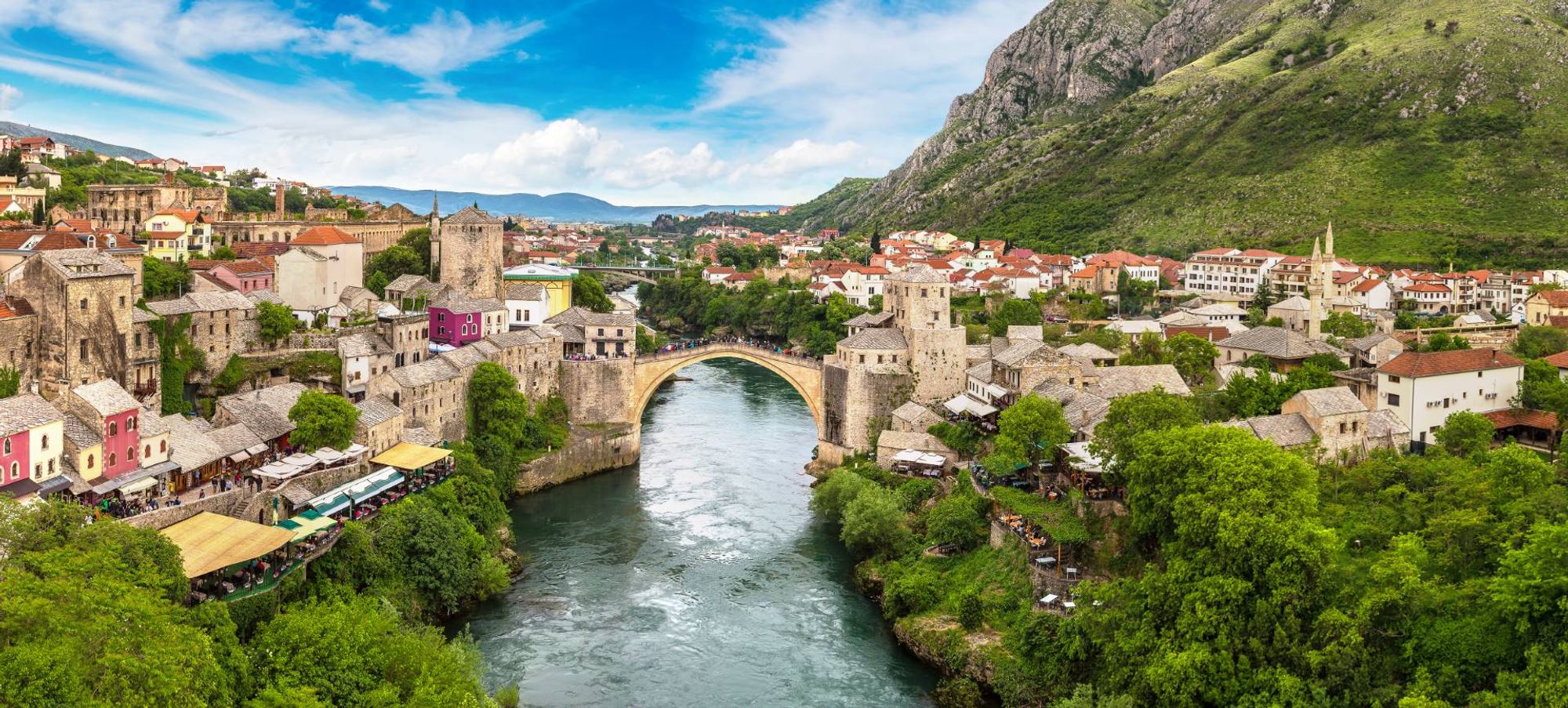
The old stone bridge arches high above the turquoise Neretva River, connecting two parts of the old town. Built in the 1500s, this curved stone structure has become the symbol of the city. Below it, brave local divers sometimes leap 24 meters into the cold river waters, continuing a tradition centuries old.
The sound of copper hammering echoes through narrow stone streets where craftspeople work in small shops passed down through generations. Despite being inland, Mostar feels Mediterranean with its warm summers and stone houses with interior courtyards.
Summer months (June-September) bring perfect swimming weather and regular diving competitions from the bridge. Music fills the old town during the Summer Festival in July and August, with performances often taking place in historic buildings and open squares.
- -Train from Sarajevo (approximately 2-hour journey)
- -Bus connections from Dubrovnik, Split, or Sarajevo
- -Fly to Sarajevo or Dubrovnik airports and take ground transportation
3. Banja Luka
Banja Luka moves at a different pace. Here, people stroll along wide avenues lined with chestnut trees or sit for hours at riverside cafes where the Vrbas River flows through the city center. The rebuilt Ferhadija Mosque stands as a testament to recovery and persistence after the wars of the 1990s.
Children play in the city's many parks while university students debate at outdoor cafes. The massive stone walls of Kastel fortress, built by the Romans and expanded over centuries, now host summer concerts and outdoor films.
The pleasant weather from April to October makes this an ideal time to explore the city's green spaces or try rafting on the Vrbas River. Weekly classical music concerts at the Banski Dvor Cultural Center offer a taste of local culture, while summer weekends bring outdoor cinema and performances to the ancient fortress.
- -Banja Luka International Airport has limited connections to European cities
- -Bus connections from Belgrade, Zagreb, and other regional cities
- -Train service from Sarajevo (though less frequent than buses)
4. Jajce
Water thunders down a 21-meter waterfall right in the middle of Jajce, creating a constant mist and rainbow on sunny days. This medieval town sits inside 14th-century walls, with houses climbing up the hillside toward an ancient royal castle where Bosnian kings once ruled.
Below the surface lie mysterious catacombs, while above, stone houses with red-tiled roofs cluster together as they have for centuries. Just outside town, the clear Pliva Lakes reflect the surrounding mountains, and old wooden watermills still stand along the river.
The waterfall reaches its full power between May and September, when warm temperatures also make exploring comfortable. Summer evenings bring folklore performances inside the fortress walls, with dancers in traditional dress performing to live music. On Saturdays, the historic watermills spring to life with demonstrations of traditional flour making.
- -Bus connections from Sarajevo or Banja Luka
- -Organized day tours from Sarajevo
- -Private car hire (the most flexible option for exploring the region)
5. Trebinje
In Trebinje, the pace slows down. People gather in the central square, shaded by a 115-year-old plane tree so large its branches create a natural ceiling. Nearby, the clear Trebišnjica River flows under stone bridges, while orthodox monasteries dot the hills surrounding the town.
Locals tend vineyards that produce the region's distinctive red wines, continuing traditions from ancient times. The smell of Mediterranean herbs and citrus hangs in the air, despite being tucked inland just 30 km/18 miles from the Adriatic coast.
Visit between April and October, when the weather allows for outdoor dining at riverside restaurants and exploring the old town's Ottoman architecture. Throughout summer, "Mediterranean Days" celebrations bring wine tastings featuring local varieties you won't find elsewhere, while theaters host plays and exhibitions showing local artistic talents.
- -Bus connections from Dubrovnik, Mostar, or Sarajevo
- -Fly to Dubrovnik Airport and take a shuttle or taxi (30km)
- -Private car rental from Dubrovnik or other major cities
Tips for Traveling to Bosnia and Herzegovina
VISA & ENTRY
- EU/US/UK citizens: No visa needed for stays up to 90 days
- Non-EU visitors: Check visa requirements at the embassy website
- Passport must be valid for at least 3 months beyond stay
CULTURAL ETIQUETTE
- Greet with a handshake
- Dress modestly at religious sites
- Remove your shoes when entering homes
- Tipping: 10-15% in restaurants
MONEY MATTERS
- Currency: Convertible Mark (BAM)
- Credit cards are accepted in cities; carry cash for rural areas
- ATMs are widely available in towns
HEALTH & SAFETY
- Emergency: 124 (police), 123 (ambulance)
- Recommended: Travel insurance with evacuation coverage
- Watch for unmarked minefields in remote areas
TRANSPORTATION
- Intercity buses are reliable; limited trains
- Taxis are affordable; agree on price beforehand