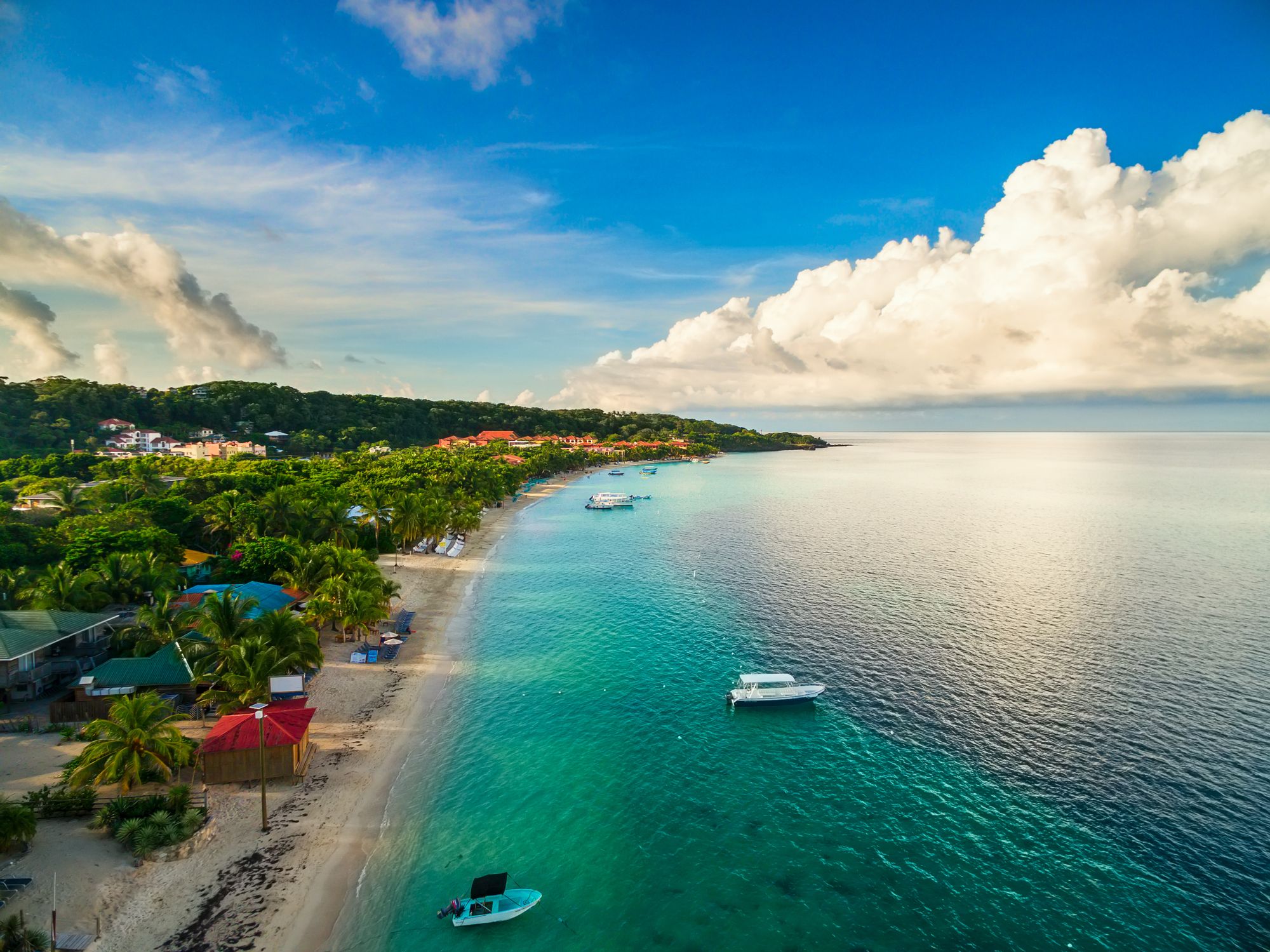


Book ferry, flight, bus, or minivan tickets in
Honduras
- Book online with local operators
- We're here for you 24/7
- Stories by travelers, for travelers
Must visit places in Honduras


Popular routes
La Ceiba to Roatan
La Ceiba to Utila
San Salvador to Tegucigalpa
Roatan to Utila
Roatan to La Ceiba
Antigua to Copan Ruinas
San Pedro Sula to La Ceiba
Tegucigalpa to San Salvador
La Ceiba to Antigua
San Pedro Sula to Tegucigalpa
Tegucigalpa to La Ceiba
Tegucigalpa to Guatemala City
Your questions, Our answers
Which holidays are celebrated in Honduras?
These are the holidays celebrated in Honduras:
- Armed Forces Day
- Christmas
- Columbus Day
- Francisco Morazán's Day
- Good Friday
- Holy Saturday
- Independence Day (of Honduras)
- Labor Day
- Maundy Thursday
- New Year's
- Pan American Day
Honduras Travel Guide: Everything You Need to Know
Are you ready to explore Honduras? Our comprehensive guide covers everything from tropical weather patterns to the best seasons for your visit. Discover how to navigate the country efficiently, whether by bus, rental car, or domestic flights. Learn about must-visit destinations like Roatán, Copán Ruins, and Tegucigalpa, along with local dishes you should try, like baleadas and coconut soup. We'll also reveal hidden gems off the tourist path that will make your Honduran adventure truly unforgettable.
Weather and Best Time to Visit
The Bay Islands (Roatan, Utila) are best visited from March to August when the seas are calm, perfect for diving and snorkeling. September to February has fewer tourists but occasional rain.
For the North Coast (La Ceiba, Tela), December to April brings dry, sunny days ideal for exploring beaches and Pico Bonito National Park.
In the Central Highlands (Tegucigalpa, Comayagua), November to March features pleasant temperatures and minimal rainfall, perfect for city exploration and hiking.
The Western Highlands (Copán Ruins, Santa Rosa de Copán) are best experienced from December to April, with cool, dry conditions ideal for archaeological site visits.
The Southern Region (Choluteca) is most comfortable from November to April, when there's relief from extreme heat and humidity.
Honduras experiences hurricane season from June to November, with September and October having the highest risk, particularly in coastal areas and the Bay Islands.
Traveling by Season
Honduras's high season (December to April) falls during the dry period, when the weather is most reliable. Temperatures typically range from 24-29°C (75-85°F), with minimal rainfall and abundant sunshine. This peak tourism period, especially around Christmas, New Year's, and Easter, means accommodations cost 30-50% more than other times of year.
Popular destinations like Roatán and Copán require advance bookings. While beaches, attractions, and transportation are more crowded, conditions are ideal for diving, hiking, and cultural experiences.
The rainy season, from June to October, brings daily afternoon thunderstorms, with September and October being the wettest months. The Caribbean coast faces potential hurricane risk between August and October. Temperatures stay warm, ranging from 27 to 32°C (80-90°F) with high humidity.
The upside:
Significant discounts (up to 40% off high-season rates)
Better availability
Fewer tourists
Be aware that some smaller businesses close, rural roads may become impassable after heavy rains, and outdoor activities might be canceled due to weather.
Shoulder months (May and November) offer the best balance for value-conscious travelers. May brings occasional afternoon showers with temperatures around 27-29°C (80-85°F). November sees a decrease in rainfall as the dry season approaches. Prices are typically 15-25% lower than peak rates, with good availability at most accommodations. The generally pleasant weather with predictable rain patterns makes these months ideal for experiencing Honduras without the crowds while saving money.
How to Get to Honduras
Honduras has four international airports serving different regions of the country. Ramón Villeda Morales International Airport (SAP) in San Pedro Sula is the busiest airport in Honduras. Many international visitors arrive here first before traveling to other destinations.
Travelers headed to the capital city use Toncontín International Airport (TGU) in Tegucigalpa. This airport is known for its challenging approach, as it's surrounded by mountains.
Golosón International Airport (LCE) serves the coastal city of La Ceiba and provides access to Honduras' northern coast. For those visiting the islands, Juan Manuel Gálvez International Airport on Roatán offers convenient access, with Caribbean beaches located just minutes from the terminal.
These four airports connect Honduras to international destinations and make it possible to travel efficiently to San Pedro Sula and other cities throughout the country.
Cross-Border Travel to Honduras
Honduras is centrally located in Central America and can be reached by land or sea, offering travel experiences that provide a deeper look at the country than air travel. Here's how to reach Honduras overland:
From Guatemala: Daily buses connect Guatemala City to Tegucigalpa or San Pedro Sula. The journey travels through mountain roads, past coffee plantations, and pine forests. Buses provide reliable service with comfortable reclining seats. Routes from Guatemala.
From Belize: The Belize City to San Pedro Sula route is a 5-hour journey through diverse landscapes from coastal plains to hills. At the Corinto border crossing, officials process travelers efficiently, but it's best to arrive before midday to avoid afternoon commercial traffic delays. Routes from Belize.
From El Salvador: The quickest international route into Honduras is from San Salvador to Tegucigalpa. The El Amatillo border crossing is straightforward, although you may encounter unofficial helpers who request tips for assistance. Keep small bills handy if you need their help.
Between Honduran destinations:
To reach the Bay Islands, take the northern route from San Pedro Sula to La Ceiba, which connects to ferry terminals. From there, the catamaran to Roatan operates twice daily (90-minute journey), while the Utila ferry takes about an hour. Travelers can also use the less frequent Roatan to Utila connection that locals use.
How to Get Around
Honduras reveals itself differently depending on how you move through it. City-to-city travelers often board buses, with companies like Hedman Alas providing seats that recline and air conditioning that works, a blessing during the midday heat. Between smaller towns, colectivos (crowded minivans where locals squeeze together) stop frequently, picking up everyone from farmers to schoolchildren.
Cities pulse with yellow taxis whose drivers often know the hidden spots tourists miss. Just agree on the fare before the engine starts.
Walking brings its own rewards too, the chance to pause at a corner food stand or chat with someone sweeping their doorstep.
For those who want to set their own pace, rental cars unlock coastal roads and mountain passes, although some routes require patience and a sturdy suspension. Island-bound travelers join locals on ferries crossing to the Bay Islands, with waves splashing and dolphins sometimes racing alongside.
In smaller towns, the putt-putt sound of tuk-tuks fills the air as these three-wheeled taxis zip through streets too narrow for cars, taking both market-goers and their purchases home for just a few lempiras.
For smooth connections between the mainland and the islands, services like Dream Ferries maintain reliable schedules, while Mayan Caribbean Travel pairs transportation with local knowledge when you need both.
Food Scene
In Tegucigalpa, locals fold warm flour tortillas around creamy beans, fresh cream, and crumbled cheese to make baleadas, a simple meal that feeds the country daily. Morning light streams through Mercado San Isidro as shoppers navigate narrow passages filled with the smell of just-made tortillas and coffee.
On the Bay Islands, cooks prepare fish caught hours earlier, serving it with coconut rice that reflects the Caribbean history of the coast. Along Roatán's shore, fishermen deliver fresh conch to beachfront kitchens where cooks transform them into sopa de caracol, simmering the meat with coconut milk, plantains, and yucca until the broth takes on the flavor of the sea.
In San Pedro Sula, Mercado Guamilito buzzes with vendors calling out their specialties.
Around Central Park in Copán Ruinas, families set up small stands where they've been selling the same recipes for generations. Try whatever you see locals lining up for.
Travel to western Honduras and you'll find:
-Anafres: clay pots keeping bean fondue warm over coals
-Casamiento: where rice and beans cook together until they form something better than either could be alone
Hidden Gems
1. Cangrejal River
The Cangrejal River rushes through rainforest corridors, creating a playground for rafters and nature lovers alike. When the water crashes over rocks forming Class III-IV rapids, you'll feel your heart pound with each drop and turn. Between January and April, the gentler water levels welcome newcomers to try their first rafting experience.
Families often spend afternoons swimming in the calm pools that form along the river's edge or hiking to discover hidden swimming holes tucked away in the forest. Just 15 minutes east of downtown La Ceiba on Route 13, many visitors grab a taxi for the short ride and end up spending the whole day exploring the riverbanks.
2. Cayos Cochinos
Cayos Cochinos features thirteen small coral islands rising from the Caribbean waters, surrounded by reefs where fish dart between untouched coral formations. When you slip into the water here, schools of tropical fish might swim right past your mask. The local Garifuna communities welcome visitors with traditional cooking and stories passed down through generations.
During March through May, the water clarity reaches its peak — you can often see 50 feet down to the ocean floor. Daily boats make the 1-2 hour journey from Roatan to La Ceiba, with morning departures offering the smoothest water crossing.
3. El Boquerón Waterfall
El Boquerón Waterfall thunders down 150 feet into a green pool, sending mist into the surrounding jungle. The hiking paths that lead here wind through the forest where monkeys sometimes appear in the branches overhead. Mountain views open up at certain points along the trail, showing the landscape stretching into the distance.
Between November and February, the weather stays cool enough for comfortable hiking, and the forest looks especially green. It takes just 30 minutes to reach the trailhead from San Pedro Sula, and the guides waiting at the Montaña Santa Marta entrance know exactly where to spot wildlife along the way.
Scenic Routes
The roads of Honduras tell stories through mountains that touch clouds and shorelines where Caribbean waters kiss white sand. These three routes reveal a Honduras beyond postcards, a place where nature and history converge:
Tegucigalpa to La Ceiba: The road winds from the busy capital and climbs into the Nombre de Dios mountains, where valleys unfold below like green quilts. Between November and April, when rains pause, morning light casts long shadows across the landscape. Early buses catch this light show, camera ready.
San Pedro Sula to Copan Ruinas: Coffee trees dot the hillsides as the road climbs toward ancient stones. The Maya built their world here, and it waits for visitors. The winter months (December to February) bring blue skies and cool air. Grab a window seat. The mountains deserve your attention.
Tegucigalpa to Valle de Angeles: Just a short climb from the capital, pine trees scent the air as the road rises to a town where artisans shape wood and clay into memories you can carry home. Weekdays bring quiet streets, especially in fall when the trees wear their fullest green. Local buses stop often, each pause a chance to see what tourists rush past.
Events, Festivals and Local Markets
Year-round, the Mercado Guamilito in San Pedro Sula offers a glimpse into everyday Honduran life. Artisans work with leather, wood, and fabric in their stalls, creating items they learned to make from their parents and grandparents. The market's food section serves up meals that tell the story of Honduras through ingredients and techniques unique to the region.
When June arrives in San Pedro Sula, the city transforms for Feria Juniana. For a full month, streets fill with dancers in traditional dress, musicians play well into the night, and families gather to watch parades that tell stories of Honduran heritage through movement and color.
Every May, La Ceiba honors its patron saint during Feria Isidra. Church bells ring as processions make their way through neighborhoods. Around town, local artisans set up stalls where they sell handmade crafts passed down through generations. The air fills with the smell of traditional dishes cooking, with recipes that grandmothers have perfected over decades.
The energy builds in La Ceiba when Carnaval de La Ceiba takes over. This street celebration brings together thousands who dance to punta and other Caribbean rhythms. Handmade costumes catch the sunlight while food vendors serve up specialties to fuel dancers and spectators alike during this May tradition.
Best Places to Visit
1. La Cieba
Where mountains meet Caribbean waters, La Ceiba welcomes visitors with open arms. This coastal city doubles as Honduras' party hub and a jumping-off point for island adventures. Mountains rise behind the shoreline while palm trees sway along beaches where locals and travelers gather.
Between February and May, sunshine dominates, and temperatures stay comfortable. Hikers head into Pico Bonito National Park's jungle paths during these months, while beach-goers enjoy the shore without worrying about sudden downpours.
Each May, the streets fill with dancing, music, and color during Carnival. You'll find yourself swept up in what locals proudly call Central America's biggest celebration. On weekends, beach parties dot the coastline with bonfires and music. Downtown on Saturday nights, musicians play on street corners while food vendors serve up local specialties, creating memories that last long after the visit ends.
- How to get to La Cieba
- By air: Direct flights to Golosón International Airport from Tegucigalpa and San Pedro Sula
- By bus: Regular bus services connect La Ceiba to major Honduran cities
- By ferry: Water taxis and ferries from Bay Islands arrive at La Ceiba's port
2. Utila
Small but mighty, Utila stands as the baby of Honduras' Bay Islands. Dive shops line the main street, where instructors train new divers at prices that won't empty your wallet. Below the surface, fish dart between coral formations, while lucky visitors might find themselves swimming alongside a whale shark, gentle giants that regularly visit these waters.
Plan a trip between March and September when the sea calms down, creating perfect conditions for underwater exploration. Those hoping to see whale sharks should aim for April-May or September-October, when these spotted creatures appear most frequently.
As evening falls on Bando Beach, travelers gather for weekly parties where conversations flow in multiple languages. At the harbor once a month, water taxi drivers show off their skills during friendly races, boats skimming across blue waters as spectators cheer. Year-round, conservation-minded visitors join coral restoration programs, learning about marine ecosystems while helping preserve them for future generations.
- By ferry: Daily ferries from La Ceiba (approximately 1-hour journey)
- By charter flight: Small aircraft services from La Ceiba and mainland Honduras
- By private boat: Charter services are available from neighboring islands
3. Tegucigalpa
Mountains cradle Tegucigalpa, Honduras' capital, where colonial buildings stand alongside modern structures. Walking through downtown reveals history at every turn — old churches with wooden doors, plazas where children play, and museums housing treasures that tell the country's story. Just outside city limits, nature takes over with hiking trails that wind through pine forests.
The city shines between November and April when rain rarely falls and skies stay clear. December through February brings particularly pleasant days when temperatures drop slightly, perfect for walking tours and outdoor cafés.
Plaza Morazán transforms weekly as artisans set up stalls selling handmade jewelry, woven textiles, and wooden carvings. Art lovers gather monthly for gallery walks through the historic district, where paintings and sculptures by Honduran artists fill renovated buildings. The National Theater's grand hall regularly fills with music and drama as performers take the stage, offering a taste of Honduran culture in an elegant setting.
- By air: International flights to Toncontín International Airport
- By bus: An extensive bus network connects to all major Honduran cities
- By car: Well-maintained highways from neighboring cities and countries
Tips for Traveling to Honduras
VISAS & ENTRY
US, Canadian, and EU citizens need a valid passport (6+ months validity)
No visa for stays under 90 days.
CA-4 agreement allows travel between Honduras, Guatemala, El Salvador, and Nicaragua.
CULTURAL ETIQUETTE
Greetings include handshakes and personal questions (considered friendly)
"Hondureño time" is relaxed; punctuality is less strict
Tipping 10% standard at restaurants
MONEY MATTERS
Lempira (HNL) is the local currency
US dollars are widely accepted in tourist areas
ATMs are available in cities
Inform your bank of travel plans
Carry small bills for markets/taxis
HEALTH & SAFETY
Emergency: 911
- Recommended vaccines: Hepatitis A/B, Typhoid, COVID-19
- Travel insurance with evacuation coverage is essential
- Drink bottled water
TRANSPORTATION
Colectivos (shared vans) for budget travel between towns
Taxis are inexpensive but negotiate fares before entering