

Book minivan, bus, or car tickets in
Jamaica
- Book online with local operators
- We're here for you 24/7
- Stories by travelers, for travelers
Must visit places in Jamaica


Popular routes
Kingston to Montego Bay
Montego Bay to Montego Bay
Montego Bay to Runaway Bay
Runaway Bay to Montego Bay
Montego Bay to Ocho Rios
Montego Bay to Negril
Port Royal to Kingston
Kingston to Port Royal
Jamaica Travel Guide: Everything You Need to Know
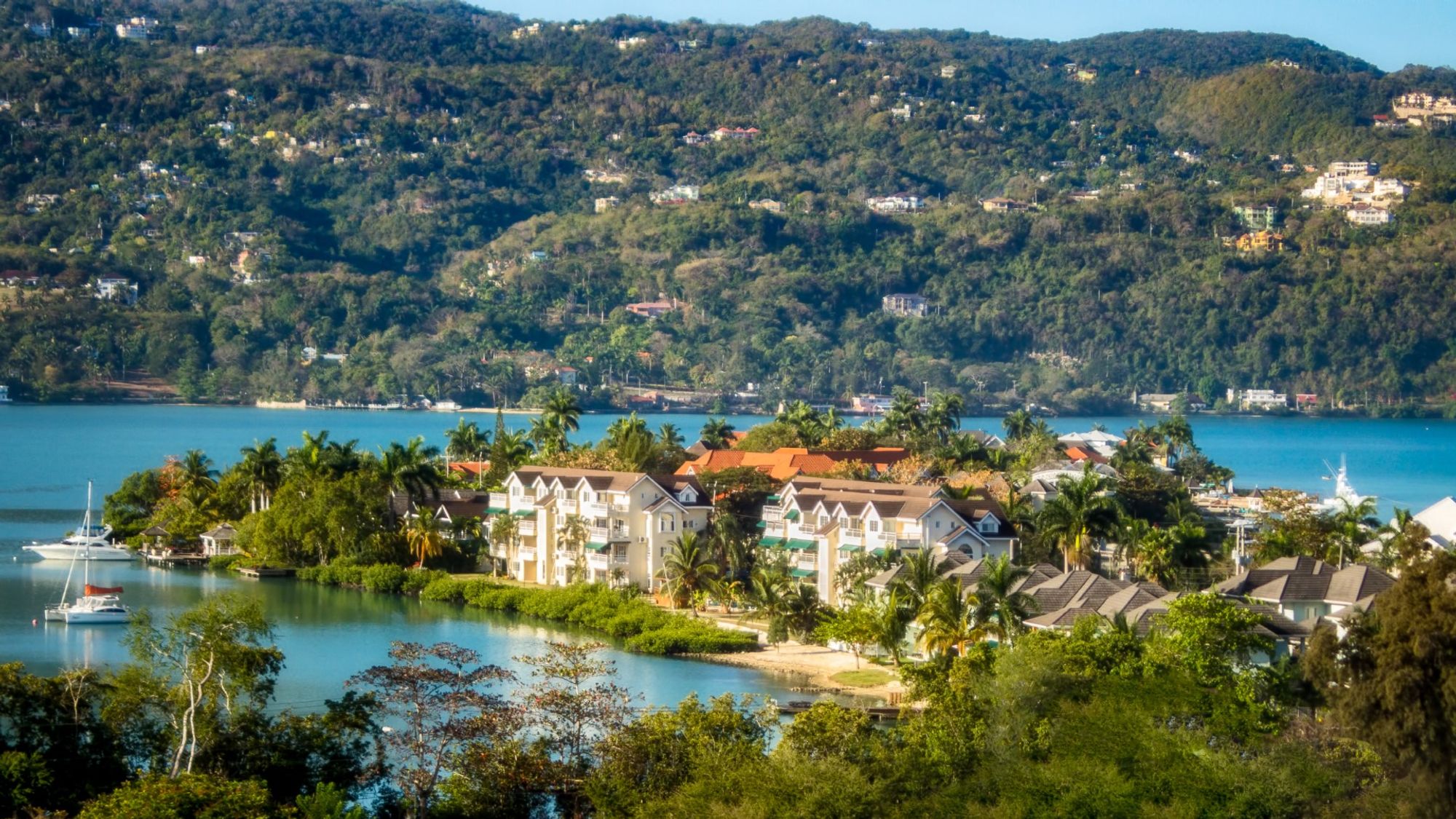
Discover the beauty of Jamaica with our essential travel guide. Learn about the island's sunny weather and find out the best time to visit for your perfect vacation. Get practical tips on transportation options to help you explore this Caribbean paradise. Explore top cities and must-see destinations, while also sampling delicious Jamaican cuisine like jerk chicken and ackee with saltfish. Uncover hidden gems that most tourists miss for a truly authentic Jamaican experience.
Weather and Best Time to Visit
Northern Coast (Montego Bay, Ocho Rios): December to April offers ideal weather with minimal rainfall and temperatures around 24-29°C/75-85°F. Perfect for beach activities and water sports.
Southern Coast (Kingston, Treasure Beach): November to April provides drier conditions and moderate temperatures. January and February are particularly pleasant with clearer skies.
Western Jamaica (Negril): Mid-December through April delivers the most sunshine and comfortable temperatures. The famous Seven Mile Beach is at its best during these months.
Blue Mountains: December to April offers clearer views and more reliable hiking conditions. Early mornings provide the best visibility of the spectacular mountain scenery.
Hurricane Season: June through November is Jamaica's hurricane season, with peak storm activity typically occurring in August, September, and October. Travel during these months may require flexible plans.
Traveling by Season
The High Season: December-April
Jamaica is busiest during winter months when visitors escape cold weather elsewhere. Temperatures range from 24-29°C (75-85°F) with little rain and comfortable humidity levels. December through March offers the best weather conditions with cool breezes and consistent sunshine.
This popularity affects prices significantly. Expect to pay 30-50% more for accommodations, higher airfares, and encounter more crowds at popular attractions. You must book well in advance, especially during Christmas, New Year's, and Spring Break, when availability becomes very limited. The reliable weather during this period makes it easier to plan activities without disruption.
The Low Season: June-October
Summer brings fewer tourists as temperatures climb to 80-90°F (27-32°C), with humidity making it feel even warmer. This period overlaps with hurricane season (June through November), with the highest storm risk in September and October.
The benefits are substantial savings:
- -40-60% lower accommodation rates
- -Discounted tours
- -Uncrowded attractions
You'll have better negotiating power and more last-minute booking options. Rain typically comes in short afternoon showers that rarely ruin entire days, though hurricane warnings can lead to flight cancellations.
The Shoulder Months: November & May
These transition months (November and May) offer a good balance between cost and experience with moderate crowd levels. November sees decreasing rainfall as winter approaches, while May remains pleasant before summer humidity intensifies. Temperatures typically range from 24-29°C (75-85°F) with occasional brief showers.
Prices are about 15-30% lower than high season, but availability remains good and service levels high. These periods provide good value for travelers who want favorable weather without peak season costs.
How to Get to Jamaica
Jamaica has three international airports, each serving different regions of the island. Sangster International Airport is located in Montego Bay, providing visitors with quick access to the beaches. This airport also offers convenient connections to the beaches of Negril and the attractions of Ocho Rios.
Norman Manley International Airport serves Kingston, Jamaica's capital city. This airport accommodates both business travelers and tourists visiting the cultural and commercial center of the island.
Ian Fleming International Airport, named after the creator of James Bond, who lived in Jamaica, is situated near Port Antonio on the northeastern coast. This smaller facility mainly handles private planes and regional flights, offering a less crowded entry point.
These three airports collectively handle more than 4 million passengers annually. Multiple airlines, including:
- -Air Jamaica
- -Caribbean Airlines
- -Various international carriers
These airlines connect Jamaica to destinations across North America, Europe, and the Caribbean. Your Jamaican experience begins as soon as you land at any of these airports.
Cross-Border Travel to Jamaica
Reaching Jamaica from nearby countries without flying requires careful planning. Here are the main non-flight options:
- From the Bahamas: No regular ferry service exists between these islands. Private yacht charters are available, typically taking 36-48 hours depending on your departure point and weather conditions. These journeys allow for unique experiences like overnight anchoring in secluded locations.
- From Mexico: There is no direct commercial boat service from Cancun. Private boat transportation is possible but requires significant preparation. The journey typically includes a stop at Cozumel and takes 2-3 days, weather permitting.
After arriving in Jamaica, these common transportation routes are readily available:
How to Get Around
Jamaica's roads tell their own stories as travelers make their way across the island. Between cities, the JUTC public buses connect major towns at low prices, though they follow their own Caribbean rhythm rather than strict timetables.
Locals and savvy travelers often hop into "route taxis" — minivans with red license plates that follow set paths through the countryside, filling with passengers and conversation along the way.
Many visitors choose to rent cars, giving them freedom to stop at roadside fruit stands or pull over when they spot a hidden beach. The left-side driving takes a day or two to feel natural for many, but soon becomes second nature. In towns and cities, regular taxis (also sporting those distinctive red plates) wait near hotels and can be called when needed.
Along the coast, water taxis create connections between places like Port Antonio and Navy Island, letting passengers feel the sea breeze while avoiding traffic altogether. Door-to-door service remains the choice many travelers prefer after long days exploring.
For help getting where you need to go without hassle, services like Nexus Tours Jamaica or Coming2 Jamaica can arrange transportation that suits your needs.
Food Scene
Jamaica's food tells a rich cultural story, reflecting its diverse heritage and vibrant local traditions.
Local Dishes Worth Trying:
- Jerk Chicken: The smoke rises from open pits in Montego Bay, where chicken absorbs hours of woodsmoke and spices.
- Ackee and Saltfish: Morning sunlight streams through windows in Kingston as cooks prepare this national breakfast dish.
- Curry Goat: The rich aroma fills locations across the island, where locals gather daily.
Markets Where Food Comes Alive:
- Coronation Market (Kingston): Voices call out prices amid mountains of colorful produce in Jamaica's oldest market.
- Pork Pit (Montego Bay): Flames leap beneath metal grills where meat slowly cooks to perfection.
- Boston Bay (Portland): The original jerk makers still cook using techniques passed down through generations.
Each Town Tells Its Own Food Story:
- Negril: Fishermen bring pepper shrimp straight from boats to cooking pots.
- Ocho Rios: Women pat cassava into bammy flatbread as they've done for centuries.
- Port Antonio: Crayfish meets breadfruit in dishes you'll remember long after leaving.
Hidden Gems
1. Reach Falls (Port Antonio)
Water tumbles down rock formations into clear pools surrounded by dense greenery. The natural heart-shaped pools invite swimmers, while adventurous visitors explore underwater caves. Morning light (8-10 am) filters through leaves, casting patterns on the water when fewer people are around.
The falls sit just 30 minutes east of Port Antonio via Route A4; follow signs to the eco-park entrance. Local guides know hidden corners most visitors miss, pointing out safe passages through the cascades.
2. Frenchman's Cove (Port Antonio)
A river meets the sea at this sheltered cove, creating a remarkable swimming spot. On one side, cool freshwater flows; steps away, Caribbean warmth wraps around you. The temperature difference surprises first-time visitors. The cove remains peaceful on weekdays when locals are at work.
Find it 8 km (5 miles) east of Port Antonio. It's accessible by taxi or personal vehicle with a modest entrance fee that helps maintain the unspoiled setting.
3. Winnifred Beach (Port Antonio)
Smoke rises from food stands where cooks prepare catch-of-the-day fish over open flames. Children splash in shallow waters while elders discuss daily life under shade trees. Sundays bring drummers and guitar players, creating impromptu music sessions. The beach belongs to everyone; no entrance fee required.
From Port Antonio, head east on the coastal road, turn at Fairy Hill district, and continue down the unpaved path leading to the shore.
Scenic Routes
Jamaica's roads wind through mountains and hug coastlines, connecting the island's natural beauty. Here are five routes that show what makes this place special:
Kingston to Port Antonio: The road climbs through the Blue Mountains, where coffee grows on steep slopes and mist hangs between peaks. Around each bend, the views shift between deep green valleys and distant ocean. Travelers who take the bus during December-April avoid the rainy season and can see more through clear windows.
Ocho Rios to Port Maria: This coastal stretch passes fishing boats painted in bright colors and beaches where locals gather on weekends. Small roadside stands sell fresh coconuts and mangoes. Between June and August, the water turns a deeper blue, and the bus windows frame perfect snapshots of the shore.
Kingston to Mandeville: The road leaves Kingston's heat behind as it climbs into cooler highlands. Old houses with wide verandas dot the hillsides, and the temperature drops noticeably. In September through November, wildflowers grow along the roadside. From the bus windows, passengers watch the city shrink below them.
Port Antonio to Reach Falls: The narrow road cuts through the forest where sunlight filters in patches. At the end waits a waterfall that cascades over smooth rocks into clear pools. May and June bring heavier rains that make the falls thunder louder. Taxi drivers know exactly where to stop for the best photos.
Negril to Black River: Cliffs drop to beaches on one side while wetlands spread on the other. Fishermen repair nets in small villages along the way. During December-February, birds from North America winter here, adding flashes of color to the mangroves. The bus rides higher than cars, perfect for spotting egrets and herons in the swamps.
Events, Festivals and Local Markets
At Reggae Sumfest, reggae stars fill the air with bass-heavy rhythms in Montego Bay. Locals dance alongside visitors as musicians play well into the night, with the crowd moving as one under the stars.
The Montego Bay Jamaica Jazz & Blues Festival brings together musicians who play as palm trees sway in the background. The notes float through the warm evening air while people tap their feet and nod their heads to the rhythm.
At the Ocho Rios Seafood Festival in Ocho Rios, the aroma of grilling fish draws crowds. Cooks flip shrimp and lobster over open flames, explaining their techniques to anyone who asks. The seafood comes straight from boats that arrived earlier that morning.
The Portland Jerk Festival transforms Port Antonio into a food lover's paradise. Smoke rises from dozens of jerk pits where chicken, pork, and fish cook slowly. Between bites, visitors watch dancers perform to drumbeats while artisans display handmade crafts nearby.
Best Places to Visit
1. Montego Bay
The sun warms the sand as locals and travelers alike stroll along Montego Bay's shores. Here, Jamaica's tourism heart beats strongest. Beyond the beaches where waves gently lap at your feet, the Hip Strip comes alive after dark with music spilling from doorways and the smell of jerk chicken filling the air.
During December through April, the skies stay mostly clear and the temperature hovers at that perfect point, warm enough for swimming but not overwhelming. These months let you experience the outdoors without worrying about sudden downpours interrupting your day.
At night, the waters of Glistening Waters Luminous Lagoon light up with every movement, tiny organisms creating blue light that outlines your body as you swim. Nearby, volunteers and scientists work together at Montego Bay Marine Park, while sailboats with colorful spinnakers race across the bay during the Yacht Club's regular competitions.
- How to get to Montego Bay
- -Fly directly to Sangster International Airport, Jamaica's busiest tourism gateway
- -Take a cruise ship to the Montego Bay Cruise Port
- -Book an airport shuttle from Kingston (approximately 3 hours)
2. Negril
Sand stretches for seven miles along Negril's coast, so fine it feels like flour between your toes. The water shifts from pale aquamarine to deep blue as it extends toward the horizon. At West End, brave souls jump from limestone cliffs into the clear waters below while onlookers gasp and cheer.
January through March brings mild days and star-filled nights, with just enough warmth to make the ocean feel refreshing rather than cold. The rain holds off, leaving more hours for exploring underwater worlds or simply watching the sun sink into the sea.
Each evening, catamarans set sail from the beach, music playing as they chase the sunset. At Rick's Café, professional divers leap from impossible heights while visitors watch from safe distances. When night falls, the market comes alive once weekly with cooking fires, handmade crafts, and the sounds of haggling and laughter.
How to get to Negril
- -Drive approximately 1.5 hours from Montego Bay Airport
- -Take a shuttle service from Montego Bay or Kingston
- -Book a helicopter transfer for coastal views
3. Ocho Rios
What was once a quiet fishing spot, Ocho Rios now welcomes those seeking both relaxation and adventure. Water cascades over natural limestone steps at Dunn's River Falls, where people form human chains to climb against the current. Nearby, rainforest paths lead to hidden swimming holes and views of the coastline.
Between mid-December and April, the forest stays green while skies remain mostly cloudless, perfect weather for climbing waterfalls or zip-lining through the canopy without slipping on wet rocks or trails.
Drums beat and voices rise during the Island Village Cultural Shows, where dancers move to rhythms passed down through generations. At Dolphin Cove, families laugh as sleek gray shapes dart beneath the surface before leaping into the air. When evening comes, reggae bands set up at Margaritaville, drawing crowds who dance until the small hours.
- -Drive approximately 1.5 hours from Montego Bay Airport
- -Arrive via cruise ship at the Ocho Rios Cruise Terminal
- -Take a regional commuter flight to Ian Fleming International Airport nearby
Tips for Traveling to Jamaica
VISA & ENTRY
- U.S., UK, EU citizens: No visa for stays under 90 days
- Passport must be valid 6+ months beyond the stay
- Return ticket is required at immigration
CULTURAL ETIQUETTE
- Greeting people is important; say "good morning/afternoon"
- Ask before taking photos of locals
- Modest dress when away from beaches/resorts
MONEY MATTERS
- Jamaican Dollar (JMD); USD widely accepted in tourist areas
- Notify the bank before the trip; ATMs are available in towns
- Carry small bills for markets and tipping
HEALTH & SAFETY
- Emergency: 911
- Recommended: Hepatitis A/B, typhoid vaccines
- Comprehensive travel insurance is essential
- Stay in tourist areas after dark
TRANSPORTATION
- Route taxis (shared) are affordable but crowded
- Licensed JUTA taxis are safest; negotiate the fare upfront