

Book bus, flight, minivan, or car tickets in
Paraguay
- Book online with local operators
- We're here for you 24/7
- Stories by travelers, for travelers
Must visit places in Paraguay


Popular routes
Foz do Iguacu to Asuncion
Buenos Aires to Asuncion
Asuncion to Balneario Camboriu
Asuncion to Buenos Aires
Asuncion to Curitiba
Ciudad del Este to Puerto Iguazu
Puerto Iguazu to Ciudad del Este
Foz do Iguacu to Ciudad del Este
Ciudad del Este to Foz do Iguacu
Balneario Camboriu to Asuncion
Florianopolis to Asuncion
Paraguay Travel Guide: Everything You Need to Know
Discover the wonders of Paraguay with our easy-to-read travel guide. Learn about its weather patterns and find out the best seasons to plan your visit. We'll show you how to get around the country efficiently, whether by bus, taxi, or rental car. Explore the vibrant cities and natural attractions, from Asunción to the impressive Iguazu Falls. The guide also reveals delicious local foods to taste, like chipa and sopa paraguaya, plus secret spots that most tourists never find.
Weather and Best Time to Visit
Visit Asunción and the Central Region from May to September for pleasant temperatures (15-24°C/60-75°F) with less humidity. October to April is hot and humid, with temperatures often exceeding 35°C/95°F.
The Chaco Region is ideal from June to August with milder temperatures. This northwestern dry region becomes extremely hot (38°C+/100°F+) from November to March.
The Eastern Region provides comfortable weather from April to October for exploring Encarnación, Ciudad del Este and the surrounding rainforests. The area experiences heavy rainfall from December to February.
The Southern Region is best from May to September, when temperatures are cooler (13-31°C/55-70°F) for enjoying the Jesuit Missions and Itaipu Dam.
Paraguayan Highlands around Villarrica and Caaguazú are best visited from April to October when clear skies enhance hiking experiences.
Traveling by Season
The High Season: May to September
The high season in Paraguay runs during the dry winter with temperatures between 15-25°C (59-77°F). You'll enjoy sunny days and cooler nights with minimal rain, ideal for exploring cities and attractions like Iguazu Falls.
Be prepared for:
-Accommodation prices 20-30% higher than other seasons
-More crowded tourist sites
-The need to book popular destinations in advance
-Full transportation services that fill quickly
-Occasional cold fronts from the south that temporarily drop temperatures
The Low Season: December to February
The low season brings intense summer heat and humidity with temperatures regularly above 35°C (95°F), sometimes reaching 40°C (104°F).
Expect:
- -Frequent heavy downpours and thunderstorms
- -Possible flooding in low-lying areas and transportation delays
- -Quieter cities as locals leave for vacation spots
- -Significantly reduced accommodation rates (up to 40% off)
- -Negotiable tour prices
- -Limited hours or closures at smaller establishments
- -Major attractions remaining open
The Shoulder Seasons (March-April & October-November)
The shoulder seasons offer moderate temperatures (20-30°C/68-86°F) and changing weather patterns. March-April has gradually decreasing rainfall and humidity, and October-November has increasing precipitation.
- Be prepared for:
- -Better value pricing without extreme high or low season rates
- -Normal operation of tourist facilities with fewer crowds
- -Spring (October-November): beautiful blooming jacaranda trees and vibrant landscapes
- -Autumn (March-April): pleasant conditions before winter arrives
How to Get to Paraguay
Paraguay has two primary international airports serving travelers entering the country. Silvio Pettirossi International Airport is located near Asunción, offering flights from Buenos Aires, São Paulo, and several other international destinations.
Guaraní International Airport serves Ciudad del Este in the eastern region, providing convenient access for visitors coming from Brazil and Argentina.
Several smaller regional airports also serve different parts of the country. These include airports in:
- Concepción in the north
- Encarnación in the south
- Pedro Juan Caballero in the northeast
While these facilities handle less traffic, they provide valuable access to regions that would otherwise require extensive ground transportation.
Paraguay is steadily upgrading its airport infrastructure with new terminals, runway expansions, and improved services. These ongoing improvements are helping the country strengthen its connections to international destinations while making it easier for travelers to explore Paraguay's less-visited but rewarding destinations.
Cross-Border Travel to Paraguay
Paraguay, a landlocked country in South America, is accessible through several border crossings. Here's how to reach it from neighboring countries:
-
From Argentina: Buenos Aires to Asunción buses take approximately 18 hours. The route crosses the Paraná River at Encarnación with a straightforward border process. Consider booking 'cama' class buses for overnight travel, as they offer fully reclining seats and meals, though it's advisable to bring extra snacks for the border wait.
-
From Brazil: The Foz do Iguaçu to Ciudad del Este crossing takes you over the Friendship Bridge above the confluence of the Paraná and Iguazu rivers. Other options include the Foz do Iguaçu to Asunción and the Curitiba to Asunción routes, which travel through rural areas.
-
From Bolivia: The Santa Cruz to Asunción route passes through the Chaco region, featuring salt flats, forests, and Mennonite settlements. Be prepared with extra water, especially during summer when rain can cause significant road delays.
-
Ferry Options: Ferries on the Paraguay River from Argentina operate on flexible schedules. These journeys provide views of riverside communities and opportunities to interact with local passengers.
How to Get Around
Paraguayans move through their country in ways that tell stories of their daily lives. Long-distance buses rumble between cities, where travelers share mate tea and conversation on journeys that cost little but offer windows into local life. When time matters more than money, the smaller "combis" zip between towns, packed with workers, students, and sometimes chickens.
In Asunción, city buses crawl through traffic with doors often flung open against the heat. Locals hang from handrails and make room for one more passenger when logic says there's no space left. Taxis cruise the streets; just flag one down, confirm your price, and you're off.
A rental car transforms the experience. The roads beyond cities sometimes turn to red dirt paths that lead to places where tourists rarely venture. After rain, these paths become challenges even for experienced drivers.
Along the Paraguay River, ferries connect communities where bridges don't exist. Passengers stand at railings watching life flow by on both shores, and sometimes the journey itself becomes the day's adventure.
In smaller towns, motorcycle taxis weave through narrow streets, their drivers knowing shortcuts no map will show you.
Paraguay has no subways or high-speed trains, just practical ways people move from here to there. Each ride becomes part of the country's story and yours. For reliable transportation bookings, check Nuestra Señora de la Asunción and Expreso Paraguay.
Food Scene
In Paraguay, food tells the story of a country where old traditions meet new ideas. The country's kitchen carries both the soul of native Guaraní cooking and the techniques brought by European settlers centuries ago.
When hunger strikes in Asunción, locals head for sopa paraguaya. Despite its name suggesting soup, this dish stands firm — a warm cornbread filled with cheese, onions, and memories of family gatherings. At Mercado 4, the capital's busiest food market, cooks prepare chipa guasu, a sweet corn casserole that melts in your mouth, and mbeju, a crispy starch pancake that crackles between your teeth.
Along the Paraguay River, fishermen bring in surubí each morning. Cooks turn this freshwater fish into meals that taste like the river itself. In the south, families gather around tables to share kivevé, a creamy pumpkin dish that warms bodies on cool evenings.
Ciudad del Este moves at its own pace, with riverside vendors serving steaming bowls of pira caldo. This fish soup, rich with vegetables and herbs, restores energy after a day of crossing borders and navigating markets.
Hidden Gems
1. San Bernardino Lake: About an hour from Asunción, this lake changes its character with the seasons and days of the week. On weekdays between November and March, the waters remain calm, perfect for an afternoon swim followed by watching the sun paint the sky as it sets. Come the weekend, Paraguayan families arrive with coolers and music, transforming the shoreline into a neighborhood gathering.
Summer brings open-air restaurants where conversations flow as freely as the drinks, and boats cut paths across the water.
To get there, catch one of the regular buses that leave from Asunción's Terminal de Ómnibus, or follow Route 2 for 40 km (25 miles) if you prefer driving yourself. Many travelers find San Bernardino to be one of Paraguay's most accessible natural getaways.
2. Parque Nacional Defensores del Chaco: In the far reaches of Paraguay's Chaco region lies the country's largest national park, where nature continues largely as it has for centuries. Jaguars leave tracks in the dry earth, pumas hunt at dawn, and over 500 types of birds call from trees and brush.
Plan your visit between May and October when the ground is firm enough for vehicles and the heat eases enough for hiking. The journey takes 8 hours from Asunción — either in your own 4x4 or with guides from Filadelfia, the nearest town. At day's end, simple rooms in Filadelfia offer a place to rest before another day of exploration in this seemingly forgotten corner of South America.
Scenic Routes
The land of Paraguay tells its stories through journeys along rivers and quiet countryside roads.
Five paths stand out for travelers who prefer discovery over following crowds:
-
Asunción to Encarnación: The old railway carries passengers through Paraguay's southern farmlands, where time moves more slowly. Local families wave from small villages as the train passes. Come in spring (September-November) when yellow, purple and red wildflowers cover the fields. From your window, watch farmers tend to their crops the same way their grandparents did.
-
Ciudad del Este to Puerto Presidente Franco: The boat follows the Paraná River's curve with Iguazú Falls thundering in the distance. The dry season (May-September) offers safer passage and clearer skies. The waters here touch three countries at once, a meeting point that few travelers witness.
-
Concepción to Vallemí: The Paraguay River stretches ahead like a brown-green highway through northern wilderness. Caiman eyes peek above the water. Children from river communities run alongside the boat when it approaches shore. Winter months (June-August) bring the right water levels and fewer insects.
-
San Bernardino to Areguá: The bus follows Lake Ypacaraí's shoreline from a holiday town to a place where clay becomes art. Summer (December-March) brings music to the streets and families to the water. Step off anywhere to find a potter shaping bowls or to dip your feet in the lake water.
-
Pedro Juan Caballero to Cerro Corá: Hills rise and fall around the road to this quiet park where Paraguay fought its last stand in a devastating war. Autumn breezes (March-May) make walking the trails comfortable. Standing on the same ground where history changed, visitors often feel the weight of the past.
Events, Festivals and Local Markets
Expo Rodeo Trébol: Cowboys gallop across dusty arenas while spectators cheer from wooden stands at this annual rodeo in Filadelfia. Ranchers bring their best cattle, dancers perform traditional polkas, and craftspeople sell leather goods made by hand. The smell of grilled meat fills the air as families gather to watch riders show their skills.
Festival del Pira Caldo: In Ayolas, pots of fish soup simmer over open fires during this food celebration. Cooks add fresh river fish, tomatoes, and herbs following family recipes passed down for generations. Visitors can taste different versions of the soup, listen to guitar music, and enjoy the cool breeze from the nearby river.
Festival del Lago Ypacaraí: The lake waters reflect colorful lights as musicians play harps and guitars in San Bernardino. People dance on grassy shores, shop for handmade crafts, and cool off with swims in the clear water. Children fly kites while older folks share stories about festivals from years past.
Best Places to Visit
1. Asuncion
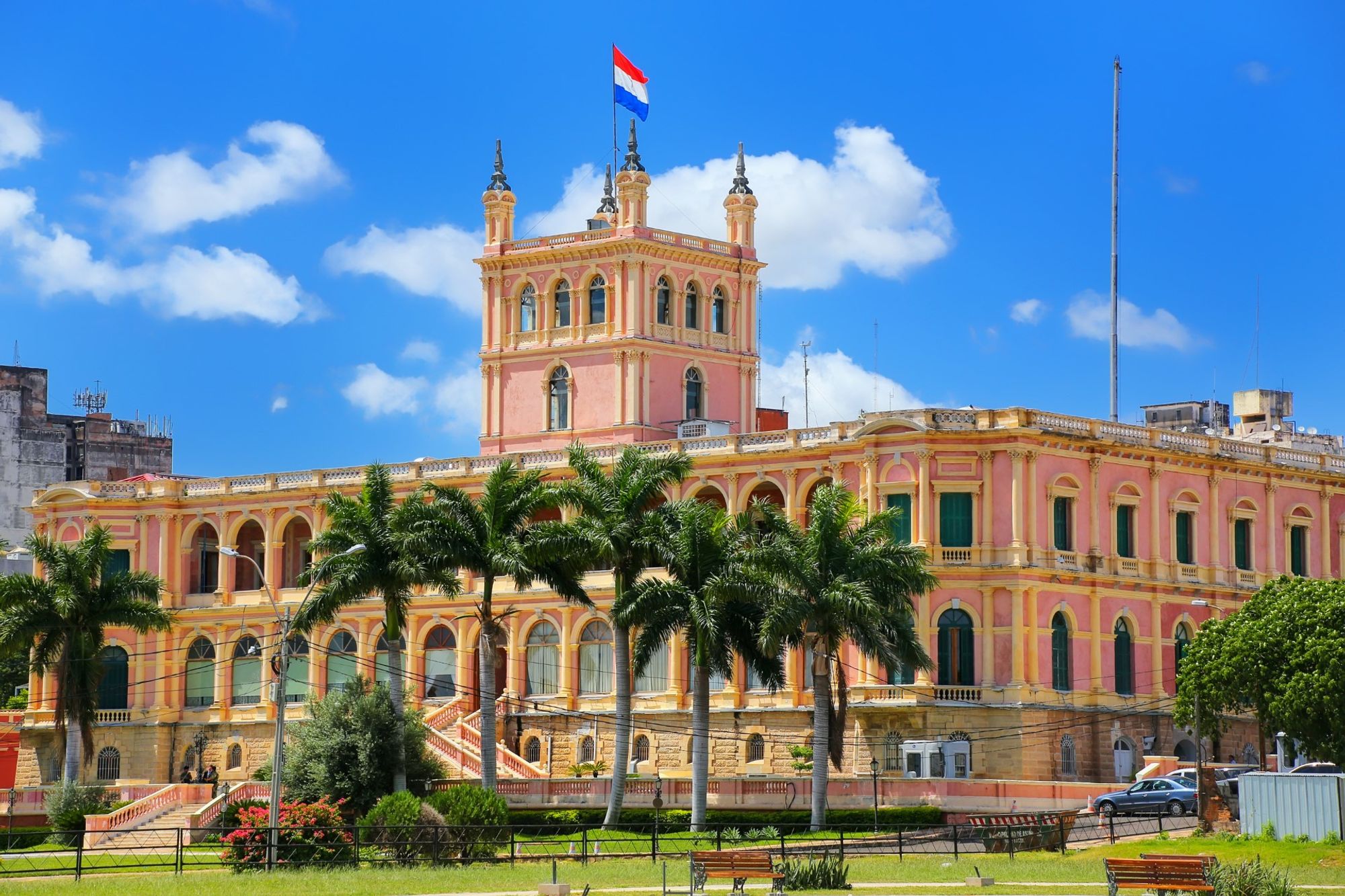
In Paraguay's capital, history speaks through cobblestone streets and colonial buildings that stand alongside glass-windowed office towers. The Paraguay River flows past the city, offering a natural boundary where locals gather in the evenings. The historic center tells stories through its architecture — here an 18th-century church with weathered stones, there a restored mansion painted in terracotta and gold.
Between May and September, mornings start with clear skies and comfortable 70°F temperatures. Rain rarely interrupts afternoon walks, making it ideal for strolling the Costanera, where families bring mate tea in thermal containers while children ride bikes along the riverfront.
The Teatro Municipal fills with music several nights each week. In this 1840s building with red velvet seats, audiences watch everything from local guitar concerts to international dance companies. A few blocks away, the Manzana de la Rivera opens its doors to art exhibitions where Paraguayan painters and sculptors share their work in a series of restored historic houses.
- -Direct flights from major South American hubs (São Paulo, Buenos Aires, Santiago)
- -Bus services from neighboring countries (Argentina, Brazil, Bolivia)
- -River transport via the Paraguay-Paraná waterway from Argentina
2. Ciudad del Este
At the meeting point of three nations stands Ciudad del Este, where languages mix on street corners as shoppers hunt for deals. Markets spread across blocks where vendors call out prices for everything from the latest smartphones to handmade lace. Unlike the capital's historic charm, this city pulses with commerce and the energy of thousands crossing borders daily.
Between April and October, the air feels lighter, and shopping becomes a more pleasant experience without summer's heavy humidity. During these months, nearby Iguazú Falls roars with water volume that creates mist visible from miles away.
The city transforms during business expos when international traders fill convention halls with their latest products. Every Monday, the city wakes early as the Monday Market takes shape — farmers arrange pyramids of oranges and tomatoes while craftspeople unpack wooden carvings and handwoven textiles that tell stories of Paraguay's countryside.
- -Daily flights from Asunción to Guaraní International Airport
- -Crossing the Friendship Bridge from Foz do Iguaçu, Brazil
- -International bus services from Argentina and Brazil
Tips for Traveling to Paraguay
VISA & ENTRY
- US/EU/UK citizens: 90-day visa-free entry
- Passport must be valid 6+ months beyond the stay
- Immigration form is required at entry
CULTURAL ETIQUETTE
- Greet with handshakes; close friends kiss on the cheek
- Terere (cold mate tea) sharing is common; follow the host's lead
- Conservative dress is appreciated outside cities
MONEY MATTERS
- Guaraní (₲) is the local currency
- Major cards are accepted in cities; cash is essential elsewhere
- ATMs are available in urban areas
HEALTH & SAFETY
- Emergency: 911
- Vaccines: Routine plus Hepatitis A, Typhoid
- Travel insurance with evacuation coverage is recommended
TRANSPORTATION
- Buses are the main public transport; colectivos for urban areas
- Taxis lack meters; negotiate the fare before boarding