

- Book online with local operators
- We're here for you 24/7
- Stories by travelers, for travelers


Belarus Travel Guide: Everything You Need to Know
Discover the beauty of Belarus with our comprehensive travel guide. Learn about the country's weather patterns and the best times to plan your visit. Find useful tips on transportation options to navigate around Belarus easily. Explore the top cities and must-visit destinations, along with delicious local foods you should try. Uncover hidden gems that most tourists miss for a truly unique Belarusian experience.
Weather and Best Time to Visit
Visit the Minsk Region from May through September for pleasant weather and cultural events in Belarus's capital. July and August offer the warmest temperatures, perfect for exploring urban attractions.
In the Brest Region, June to August is ideal for visiting Belovezhskaya Pushcha National Park with lush greenery and comfortable temperatures for wildlife viewing.
The Vitebsk Region is exceptional in July for the renowned Slavianski Bazaar festival. May to September offers beautiful landscapes and comfortable conditions for outdoor activities.
The Gomel Region is best visited during late spring (May-June) and early autumn (September), providing moderate temperatures for exploring the region's parks and Pripyat River landscapes.
The Grodno Region offers the best conditions from June through August for exploring this western region's historical sites and architectural monuments.
The Mogilev Region is most enjoyable from May to September, providing optimal conditions for visiting historical sites and enjoying outdoor recreational activities.
Traveling by Season
The High Season: June-August
Summer is Belarus's busiest tourist period. Temperatures typically range from 20-25°C (68-77°F), sometimes reaching 30°C (86°F). Days are long with over 16 hours of daylight, making it ideal for exploration. Brief rain showers occur on 8-10 days each month.
Accommodation costs increase by 25-40%, and popular attractions like Minsk's Old Town and Belovezhskaya Pushcha National Park become crowded.
Book accommodation and activities in advance, especially for weekends. Public transportation runs at full capacity.
The Low Season: November-March
Winter sees few tourists. Temperatures generally range from -5 to -10°C (23-14°F), occasionally dropping to -20°C (-4°F). Snow is common, with 15-20 snow days per month from December through February.
Prices decrease by 30-50% compared to summer, and availability is rarely a problem. Many attractions have reduced hours, and some rural accommodations close completely. Snowstorms can cause travel disruptions, including flight delays and rural road closures.
December and January have only 7-8 hours of daylight.
The Shoulder Months: April-May & September-October
These transitional months offer the best value. Spring temperatures range from 10-18°C (50-64°F) with occasional rain and flowering landscapes. Autumn has similar temperatures featuring colorful foliage and harvest festivals.
Prices are 10-25% lower than summer, with good availability. Weather can be unpredictable; spring may bring sudden showers, while autumn can have early frosts.
Museums and attractions maintain normal hours with significantly fewer tourists, providing more authentic experiences.
How to Get to Belarus
Belarus has several airports that serve as entry points for travelers. Minsk National Airport (MSQ) is the country's primary air hub, handling over 4 million passengers annually. It's located a short drive from Minsk, the capital city.
Other regional airports include:
- Gomel Airport: Serves the southern cultural center of Gomel
- Brest Airport: Located near the Polish border in western Belarus
- Vitebsk Vostochny Airport: Serves northern Belarus
- Grodno Airport: Provides access to western Belarus
While these regional airports offer fewer international flights, they provide convenient access to different regions of the country. Most international visitors arrive through Minsk National Airport, which serves as the main gateway to Belarus.
Cross-Border Travel to Belarus
Belarus is located in Eastern Europe and can be reached through several land border crossings. Ground transportation offers a chance to observe the gradual cultural transitions between countries.
From Russia: The Moscow to Minsk overnight train is convenient. You sleep in Russia and wake up in Belarus. The train offers decent sleeping accommodations and provides hot water for tea. Attendants sell small snacks. Buses are also available and run frequently, though they can be crowded during holidays. Check Russia routes.
From Poland: The Warsaw to Minsk train passes through interesting border areas where you'll see the train wheels being changed to match different rail gauge systems at Brest station. This process takes about two hours. Bring food, as border crossings can take longer than expected. Check Poland routes or book the Warsaw to Minsk or Gdansk to Minsk connections.
From Ukraine: These crossings can vary significantly in duration, ranging from 4 to 9 hours depending on border conditions. The Kyiv to Minsk buses typically include one bathroom break midway through the journey. Check Ukraine routes.
From Lithuania/Latvia: The Vilnius to Minsk route offers the quickest border crossing, usually under an hour. Drivers typically know enough English to explain procedures. Buses on Baltic routes are newer and include working USB ports. Consider the Vilnius to Minsk or Riga to Minsk routes.
How to Get Around
Belarus unfolds its landscape to travelers through a patchwork of transportation options. Buses thread through the country, connecting the historic streets of Minsk to the fortress city of Brest and the riverside paths of Grodno. In cities, locals hop on and off trolleybuses and trams that rumble along established routes, carrying both commuters and curious visitors.
Beneath Minsk, the subway tunnels tell their own story. Two lines carry passengers past stations that showcase concrete and marble dressed in Soviet designs, each stop a small museum of the country's past. Above ground, taxis wait at corners and outside hotels, while smartphones light up with ride-hailing services in the larger urban centers.
The railways of Belarus stretch like veins across the country and beyond its borders. Overnight trains rock passengers to sleep in compartments as the countryside slips by in darkness, awakening them in new cities by morning.
In places where maps show fewer roads, marshrutkas, those nimble minivans, zip between towns with the frequency of heartbeats, stopping wherever passengers need them. And for those who prefer the freedom of the open road, rental cars stand ready to carry adventurers down country lanes and to lakeside villages that larger vehicles pass by.
For those ready to begin their journey through Belarus, trusted partners TOKS and Sindbad can help secure your passage.
Food Scene
Belarus tells its story through food — each dish carrying memories passed down through generations. When winter winds blow, families gather around tables laden with potato pancakes. In summer, fresh market produce transforms into hearty meals that sustain field workers.
Must-Try Local Dishes:
- Draniki in Minsk: golden potato pancakes with crisp edges and soft centers, topped with a dollop of tangy sour cream.
- Machanka in Brest: tender pork chunks swimming in a savory sauce that begs to be soaked up with fresh bread.
- Kalduny in Grodno: hand-pinched dumplings filled with meat that grandmother would recognize.
Food Markets & Street Food:
- Komarovsky Market in Minsk hums with morning activity — farmers arrange mushrooms collected at dawn, old women sell jars of preserves.
- Zybickaja Street in Minsk comes alive at night with food vendors serving quick bites between bars.
Regional Specialties:
- In Polesia, babka emerges from ovens — a hearty potato pudding that sticks to ribs during cold months.
- Vitebsk kitchens prepare kishka — a centuries-old recipe using every part of the animal, showing nothing goes to waste.
Hidden Gems
1. Augustow Canal (Grodno)
Engineers carved this waterway through the forests back in the 1800s, creating a liquid path connecting Poland and Belarus that still flows today. Local families spend weekend afternoons paddling kayaks through the green corridor, passing old wooden locks that work just as they did two centuries ago. The water opens for boats from May through September, when yellow and purple wildflowers dot the banks and the forest canopy provides natural shade for cyclists on the riverside paths.
Anyone staying in Grodno can reach it with a 30-minute taxi ride, or join one of the canal tours that gather near the city's main square most mornings.
2. Stalin Line Museum (Minsk)
Children climb over real tanks while parents peek inside concrete bunkers at this sprawling outdoor museum. Unlike the glass-case exhibits downtown, here visitors walk through actual fortifications from World War II, touch the artillery pieces, and sometimes watch people in period uniforms demonstrate how soldiers once used this equipment.
The weekend shows during warmer months bring the old battlements to life with rumbling engines and billowing smoke. Look for bus #300э at Minsk central station — it takes 45 minutes to reach Loshany village, where the museum is spread across the countryside.
3. Losvido Lake (Vitebsk)
Formed by glaciers thousands of years ago, this clear lake reflects the surrounding pine trees like a mirror on calm mornings. Locals know which hidden coves offer the best swimming spots away from other visitors, and where fish tend to bite in the early hours.
Summer brings warm water perfect for overnight camping trips and dawn kayak expeditions when mist hovers just above the surface.
The lake waits just 30 km (18.6 miles) northwest of Vitebsk, reachable by car or on one of the twice-daily regional buses that stop near the shoreline.
Scenic Routes
Belarus opens itself to travelers through forests that have stood for centuries and lakes that reflect the changing sky. The country's routes connect old towns and natural spaces that remain largely as they were generations ago.
Minsk to Grodno: The train rolls through farmland and past riverside towns, with the Neman River cutting through the landscape. Come in October when maple and oak trees turn red and gold. Passengers press their noses to the wide windows as the medieval towers of Grodno appear in the distance.
Brest to Belovezhskaya Pushcha: Buses travel into Europe's oldest forest where thousand-year-old oaks still stand. In April and May, the forest floor is covered with blue and white flowers. Children point through windows when they spot the heavy shapes of bison moving between trees.
Braslav to Miory: The road curves between more than 30 lakes, climbing hills that reveal water on all sides. In July, locals jump from wooden docks into clear water. Drivers sometimes stop the bus at lookout points where passengers step out to feel the breeze.
Minsk to Berezinsky Reserve: Buses bring nature enthusiasts to marshlands where beaver dams cross creeks and elk wade through shallow water. During June, yellow iris flowers line the waterways. The high bus seats let passengers see over the reeds to where herons fish.
Vitebsk to Braslav Lakes: The northern route ends at a place where water and land mix in a puzzle of blue lakes and green islands. Come in May when the ice has melted, but before summer crowds arrive. The bus makes scheduled stops at overlooks where the lakes spread out like scattered mirrors.
Events, Festivals and Local Markets
When July arrives in Vitebsk, the Slavonic Bazaar fills the streets with music. Musicians play on corners while artists display paintings along walkways. People from neighboring countries come to watch concerts under summer skies and browse exhibitions that tell stories of shared cultural heritage.
December transforms Minsk during the Minsk Christmas Fair. The aroma of hot mulled drinks drifts through the air while craftspeople sell handmade ornaments. Children laugh on carousels as families gather around fire pits to warm their hands and listen to folk songs in the crisp winter air.
Spring brings thinkers and journalists to Minsk for the Belarusian International Media Forum. In conference halls and coffee shops, conversations flow about how stories travel across borders. Media professionals exchange ideas, debate current issues, and form connections that last beyond the event.
Every September, the Minsk Half Marathon turns Minsk into a community celebration. Thousands of runners, from first-timers to seasoned athletes, follow routes past historic buildings and through green parks. Cheering crowds line the streets, offering water and encouragement as participants take part in Belarus's biggest running event.
Best Places to Visit
1. Minsk
After World War II destroyed much of Minsk, the city rose from the ashes with wide, tree-lined boulevards and imposing stone buildings that tell the story of its Soviet past. Today, these historical structures stand alongside glass skyscrapers, creating a cityscape that reveals different chapters of Belarus's history at every turn.
In summer, locals fill the outdoor tables at cafés along Independence Avenue, sipping coffee and watching street musicians perform. The city's numerous parks transform into green retreats where families spread picnic blankets and elderly chess players concentrate on their matches under leafy canopies.
The Bolshoi Opera and Ballet Theatre comes alive with performances that draw both locals and visitors. You might find yourself sitting next to multiple generations of a Belarusian family, all dressed in their finest clothes for an evening of cultural appreciation.
During hockey season, the roar of fans supporting Dinamo Minsk echoes through the arena, offering a glimpse into Belarusians' sporting passion.
- -Fly directly to Minsk National Airport with connections from major European hubs
- -Take a train from neighboring countries like Poland, Russia, or Ukraine
- -Bus services connect Minsk to multiple European cities with comfortable overnight options
2. Brest
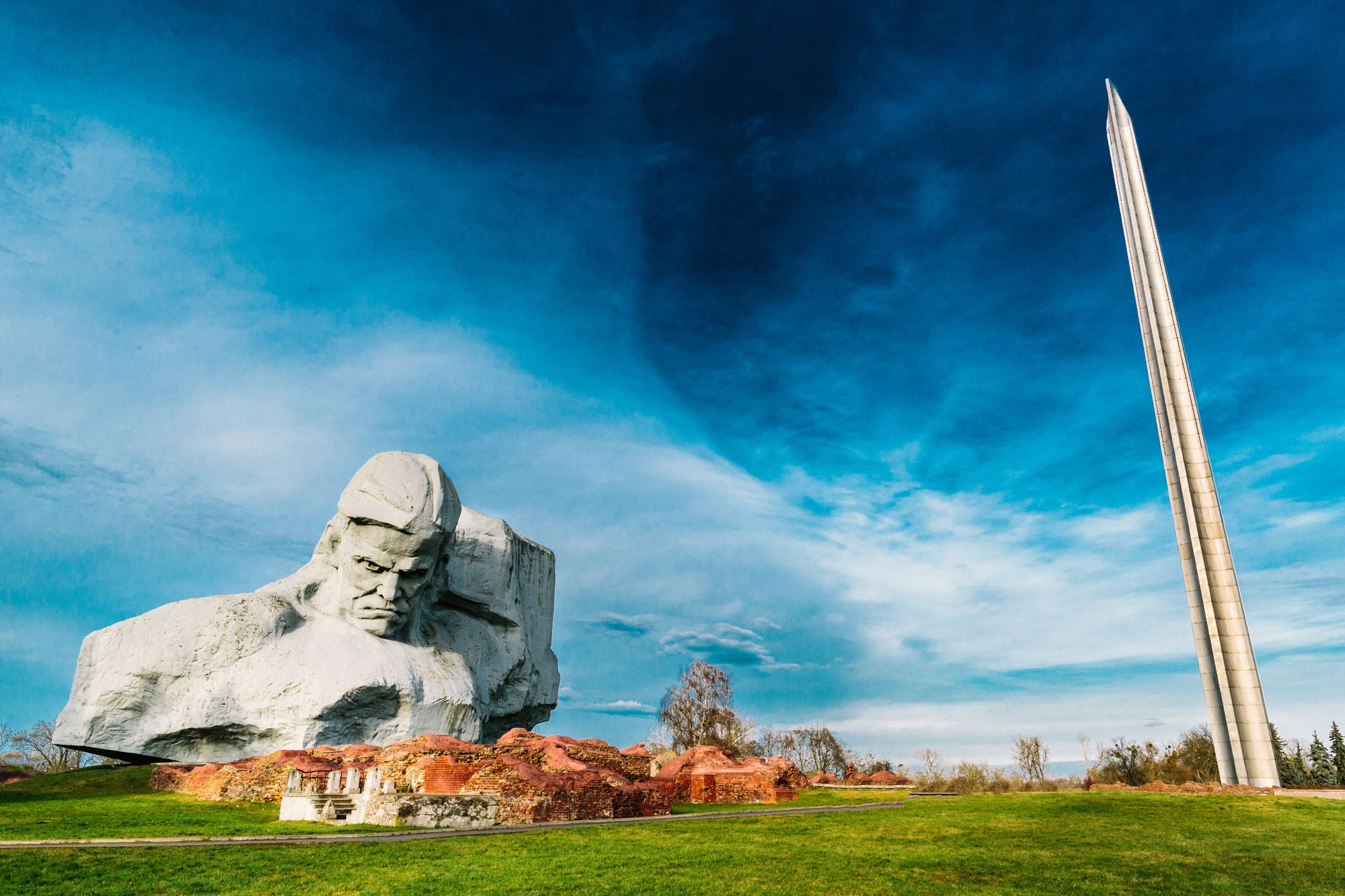
On Belarus's western edge, Brest guards centuries of stories within its streets and fortifications. The Brest Fortress stands as a testament to human endurance, its stone walls still bearing the scars of battle. In the evenings, the somber sound of classical music plays over the grounds, creating a moment of reflection for visitors walking among the monuments.
The city center reveals a different side of Brest, where lamplighters in historical costumes manually light street lamps each evening on the pedestrian street. Families stroll past 19th-century buildings while children stop to examine the whimsical street sculptures that appear around unexpected corners.
In the Belavezhskaya Pushcha National Park nearby, ancient oak trees that have witnessed centuries of European history provide habitat for European bison. Walking the trails here connects visitors to one of Europe's oldest forests, where the air smells of moss and wild herbs.
How to get to Brest
- -Arrive by train on the main Warsaw to Moscow railway line with regular connections
- -Fly to Brest Airport with limited regional connections, then take a short taxi ride
- -Cross by car from Poland through the Terespol to Brest border crossing
Tips for Traveling to Belarus
VISA & ENTRY
- Most visitors need a visa. Obtain through the embassy/consulate.
- 30-day visa-free regime for 80+ countries when arriving via Minsk Airport
- Register with the police within 5 days if staying in private accommodation
CULTURAL ETIQUETTE
- Formal greetings. Use surnames until invited otherwise.
- Remove your shoes when entering homes
- Modest dress for religious sites
- Toasts are common. Refusing vodka may seem impolite.
MONEY MATTERS
- Currency: Belarusian Ruble (BYN)
- Cards are accepted in cities. Carry cash elsewhere.
- Notify the bank of travel
- ATMs are widely available in urban areas
HEALTH & SAFETY
- Emergency: 103 (ambulance), 102 (police)
- Travel insurance mandatory
- Tap water is generally safe in cities
TRANSPORTATION
- An extensive bus/train network connects major cities
- Minsk metro is efficient and affordable
- Yandex/Uber is available in larger cities