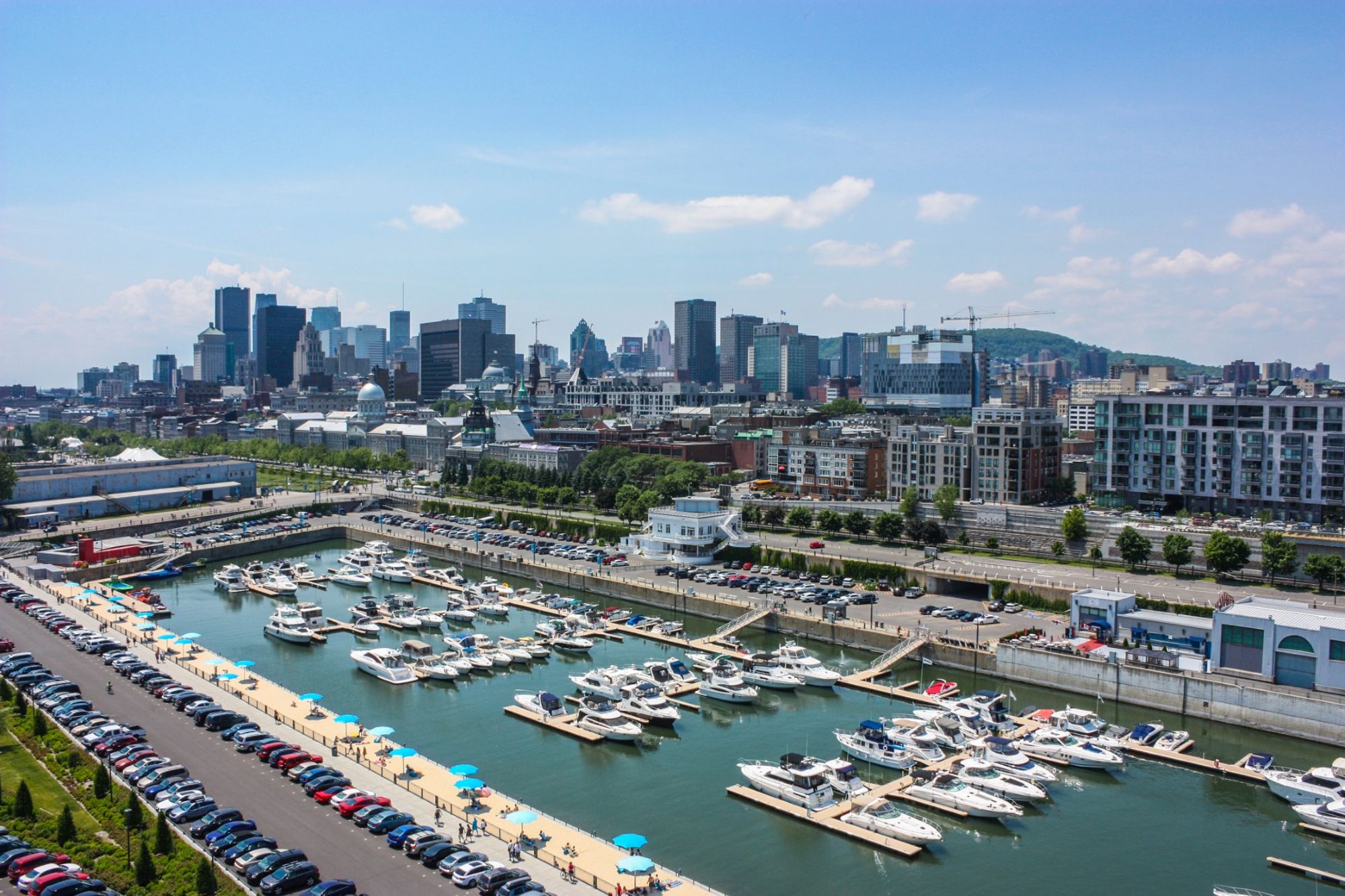


Book train, flight, bus, or minivan tickets in
Canada
- Book online with local operators
- We're here for you 24/7
- Stories by travelers, for travelers


Popular routes
Toronto to Montreal
Montreal to Toronto
Toronto to Ottawa
Ottawa to Toronto
Vancouver to Whistler
Toronto to Niagara Falls
Niagara Falls to Toronto
New York to Toronto
Calgary to Banff
Kitchener to Toronto
Kingston Ontario to Ottawa
Seattle to Vancouver
Canada Travel Guide: Everything You Need to Know
Discover the beauty and wonders of Canada with our comprehensive travel guide. Learn about Canada's weather patterns and the best seasons to plan your visit. Find useful tips on transportation options to help you get around this vast country. Explore our recommendations for top cities, must-see destinations, and delicious Canadian foods to try. Uncover hidden gems that most tourists miss for a truly unforgettable Canadian adventure.
Weather and Best Time to Visit
British Columbia: June to September offers sunny weather and mild temperatures, perfect for exploring Vancouver, Victoria, and the Rocky Mountains. Coastal areas see less rainfall during these months.
Prairies (Alberta, Saskatchewan, Manitoba): May to September provides warm days and cool nights, ideal for visiting Banff, Jasper, and the vast prairie landscapes.
Ontario & Quebec: Summer months (June-August) bring warm temperatures for city exploration in Toronto, Ottawa, and Montreal. September-October offers stunning fall foliage.
Atlantic Provinces: July to September delivers the most comfortable weather for coastal exploration, with warm temperatures and fewer fog days in Newfoundland, Nova Scotia, and Prince Edward Island.
Northern Territories: June to August features surprisingly warm days and nearly 24-hour daylight, making it the only practical time to visit Yukon, Northwest Territories, and Nunavut for most travelers.
Traveling by Season
The High Season: June-August
Canada's summer is the busiest travel period, with the heaviest crowds in July and August. Most regions experience temperatures between 20-30°C (68-86°F), though Vancouver and coastal areas tend to be cooler.
Accommodation rates increase by 30-50% above average, and availability becomes limited, particularly in popular destinations like Banff and Toronto.
The weather is mostly sunny, though thunderstorms can occur in the prairies and eastern provinces. Plan to book accommodations and activities 3-6 months ahead. Summer provides optimal conditions for hiking, attending festivals, and outdoor activities.
The Low Season: November-March
Winter sees the fewest visitors except at ski resorts. Temperatures in many regions drop to between -10 and -30°C (14 to -22°F), with milder weather on the west coast.
Accommodation prices decrease by 20-40%, with good availability in cities, though some rural attractions close completely. Snowstorms may cause flight delays and road closures, especially in eastern provinces and prairie regions. Daylight hours shorten to as few as 8 hours, limiting sightseeing time. January and February offer the best values for budget travelers.
The Shoulder Season: April-May & September-October
Spring and fall provide the best balance of value and experience. Temperatures typically range from 5-20°C (41-68°F), with beautiful fall foliage and spring blooms. Prices are usually 10-25% lower than summer rates, with good availability.
Weather can be variable, expect rain showers in spring and possible early snow in October. Many attractions operate with reduced hours but without the crowds. These seasons are perfect for budget-conscious travelers who want authentic experiences without winter's cold or summer's crowds.
How to Get to Canada
Canada has a comprehensive network of international airports with frequent flights arriving and departing throughout the day.
Toronto Pearson International Airport (YYZ) is the country's busiest, handling more than 50 million passengers annually who travel to and from Toronto. Vancouver International Airport (YVR) offers impressive views of mountains and the ocean while connecting Vancouver with destinations across the Pacific.
At Pierre Elliott Trudeau International Airport (YUL) in Montréal, visitors are greeted in both French and English, reflecting the city's bilingual character. Calgary International Airport (YYC) maintains operations throughout snowy winters, serving both business travelers in the oil industry and tourists heading to the mountains near Calgary.
Edmonton International Airport (YEG) provides access to Edmonton and connections to Canada's northern territories. Ottawa Macdonald-Cartier International Airport (YOW) brings visitors, government officials, and diplomats to Canada's capital city, Ottawa.
Each of these airports serves as an important gateway to its respective region of Canada.
Cross-Border Travel to Canada
Canada spans six time zones with diverse landscapes from coastlines to prairies and mountains. Here are practical ways to enter Canada by land and sea:
-
From the United States by bus: Greyhound provides service between major cities with required immigration stops where all passengers must exit with their luggage. Be prepared with snacks and downloaded entertainment, as Wi-Fi can be unreliable in remote areas. The Seattle to Vancouver route offers scenic views along Puget Sound, while the Detroit to Ontario crossing provides unique Great Lakes perspectives. Other United States routes.
-
From the United States by train: Amtrak's Adirondack line connects New York City to Montreal in approximately 12 hours, featuring views of the Hudson Valley and Lake Champlain. The Cascades route between Seattle and Vancouver follows the coastline with bay and island views not visible from highways. Reserve early for business class seats with working power outlets.
-
From the United Kingdom by ferry: Limited freight services that accept passengers still operate, typically taking 7-9 days to reach Halifax or Montreal. These basic transport vessels offer simple accommodations and meals with crew members rather than cruise-style amenities. More United Kingdom routes.
-
Within Canada: Due to Canada's size, internal travel requires planning. The Vancouver to Whistler route along the Sea-to-Sky Highway offers mountain and coastal scenery. Regular service connects Ottawa to Toronto through Ontario, while the Montreal to Ottawa routes showcase the transition between French and English Canada.
How to Get Around
Canada's vastness unfolds differently depending on how you choose to move through it. When jumping between cities, planes cut through the air above forests and prairies, saving precious hours. Meanwhile, VIA Rail trains roll along tracks that curve with rivers and mountains, giving passengers front-row views through wide windows as they connect major cities.
For those heading to coastal spots, the rhythm of travel includes both road and water. Buses deliver travelers to ferry docks, where vessels then carry them across the water to islands like Vancouver Island. Groups of friends often find minivans perfect for spontaneous stops at roadside lakes or unexpected hiking trails.
City exploration takes many forms:
- -Toronto's subway carries people beneath busy streets.
- -Montreal's underground system helps residents navigate winter without facing snow.
- -Buses reach neighborhoods where trains don't go, creating networks that make car-free travel possible.
When snow blankets northern regions, some paths disappear completely, unless you're on a snowmobile cutting fresh tracks across frozen lakes or hearing the soft padding of dog paws pulling sleds through silent forests.
Summer brings bicycles to the forefront in cities like Vancouver, where rental shops offer wheels for pedaling along waterfront paths or through neighborhood streets.
For simpler travel arrangements, consider booking through Vivo Green or Skylynx Bus, who know these routes well and can help you navigate them.
Food Scene
Food Markets
Morning fog lifts over Vancouver's Granville Island Public Market as fishmongers arrange the day's catch and bakers pull bread from ovens. Across the country, Toronto's St. Lawrence Market fills with the sounds of vendors calling out specials and shoppers negotiating prices. A few blocks away, Kensington Market's narrow streets offer food from seemingly every corner of the world.
Regional Specialties
- In the heart of Montreal, you can eat poutine around the clock, crispy fries layered with squeaky cheese curds and hot gravy that melts everything into a satisfying mess.
- Torontonians devour butter tarts, where flaky pastry holds a sweet, gooey center that's worth the inevitable sugar crash.
- East Coast: Nova Scotia cooks transform just-caught lobster into rolls served on soft bread with just enough mayo to hold it together.
- Quebec: Families gather at sugar shacks where maple sap becomes everything from taffy cooled on snow to butter spread on fresh bread.
- Prairies: Bakers fold handfuls of tiny, sweet-tart Saskatoon berries into pies that tell the story of summer
- West Coast: BC chefs cook wild salmon and spot prawns caught hours earlier in waters visible from restaurant windows.
Hidden Gems
1. Grassi Lakes, Canmore
Two alpine lakes rest in the Rockies, their water so clear you can count the rocks on the bottom. The water shifts between blue and green depending on the sunlight. A 4 km (2.5-mile) trail leads you there, with mountains rising on all sides as you climb. The path isn't difficult; most people manage it without trouble, but the reward at the top makes every step worthwhile.
Summer and early fall offer the most reliable conditions. Locals know to arrive before 9 am on weekdays, when the parking lot still has spaces and the trail isn't crowded. The lakes wait just minutes from downtown Canmore, with the trailhead tucked off Spray Lakes Road.
2. Churchill Wild, Churchill
Picture yourself walking, yes, walking, among polar bears in their natural habitat. No vehicles separate you from these massive creatures. You'll sleep in lodges built on the edge of the subarctic wilderness, with reinforced fences the only boundary between your bed and the bears.
Summer brings thousands of beluga whales to the area, while fall practically guarantees daily bear sightings.
The journey requires a flight to Churchill from Winnipeg, then a bush plane to the remote lodges. People who've been, say planning a year ahead isn't excessive, these experiences fill up quickly.
3. Spirit Island, Jasper
A small island stands alone in Maligne Lake, surrounded by peaks that rise dramatically from the shoreline. Late afternoon light transforms the scene as shadows and golden light play across the mountains.
The island remains inaccessible by land, preserving its solitude.
During summer months, you can reach it via the 90-minute boat cruise from the main dock. Adventurous visitors with kayaking experience sometimes make the 14 km (8.6 miles) paddle, a journey that offers hours of quiet contemplation on some of the clearest water you'll ever see in Jasper.
Scenic Routes
Canada's roads and railways cut through mountains, coastlines, and forests, places where travelers stop to take in what's around them. Here are five journeys that show what makes this country worth seeing:
Banff to Jasper: The Icefields Parkway runs between these two national parks. Lakes appear blue-green against mountain backdrops. Glaciers sit alongside the road. Elk and bears sometimes appear at the roadside. Between June and September, the snow has melted, and a car lets you pull over whenever something catches your eye.
Halifax to Peggy's Cove: The road follows Atlantic shorelines where waves crash against rock formations. The lighthouse at Peggy's Cove stands on smooth granite rocks. In fall, the trees turn red and gold. Having a car means finding the small beaches that larger tour buses miss.
Quebec City to Charlevoix: Old stone buildings give way to the wide St. Lawrence River and hills beyond. On the train, the windows frame the changing landscape. When leaves change color in autumn, the hillsides look like paintings.
Toronto to Vancouver: This train crosses an entire country. Fields of wheat stretch to the horizon before giving way to mountain passes and forests. In summer, daylight lasts longer for seeing more. The panoramic cars have ceiling windows for watching mountains pass overhead.
Calgary to Banff: Flat farmland rises into the Rocky Mountains. One minute, there's prairie, the next minute, peaks appear ahead. From spring through fall, the mountain outlines stand sharp against blue skies. Photographers find new angles at every turnout.
Events, Festivals and Local Markets
Cowboys ride bucking broncos while crowds cheer at the Calgary Stampede in Calgary each July. People wear blue jeans and cowboy hats as they watch chuck wagon races and rodeo competitions. The smell of barbecue fills the air while families learn about farm life at the agricultural exhibitions.
Snow often dusts the cobblestone streets during the Toronto Christmas Market in Toronto. The old brick buildings of the Distillery District glow with strings of warm lights. Shoppers sip hot chocolate as they browse wooden stalls filled with handmade gifts while carolers sing in the background.
Steam rises from mugs of mulled wine at the Vancouver Christmas Market in Vancouver each December. Children laugh on the carousel while parents shop for wooden nutcrackers and ornaments. The aroma of fresh pretzels and schnitzel brings a true taste of German holiday customs to the Pacific coast.
Ferris wheels turn against the summer sky at the Canadian National Exhibition in Toronto. As summer draws to a close, families play carnival games and try foods from around the world. The sound of roller coasters and concert music fills the warm evening air during Canada's biggest fair.
Best Places to Visit
1. Calgary
In Calgary, cowboys in boots and suits walk the same downtown streets. This city sits at the meeting point of two rivers, with the Rocky Mountains creating a jagged line across the western horizon. Office towers rise above historic sandstone buildings, telling the story of a place that grew from a frontier town to a modern city without forgetting its roots.
Summer days stretch long in Calgary, with sunshine that lasts until late evening from June through August. Winter brings snow and cold, but also clear blue skies and opportunities to ski just an hour's drive away.
Every July, the city transforms during the Calgary Stampede. Horses' hooves pound dirt in rodeo arenas, chuckwagon drivers race for glory, and even bankers wear cowboy hats to work. Throughout the year, Theater Calgary brings stories to life on stage, hockey fans cheer for the Flames, and the Saddledome hosts everything from concerts to ice shows.
-Fly directly to Calgary International Airport (YYC)
-Drive via the Trans-Canada Highway
-Take VIA Rail service to downtown Calgary
2. Banff
Mountains stand like giants around the town of Banff. Streets lined with buildings of wood and stone lead to trails that disappear into forests where elk roam. Turquoise lakes reflect perfect mirror images of peaks that have stood for millions of years.
Summer brings warm days perfect for hiking, canoeing on Lake Louise, or simply watching clouds roll over mountain tops. Winter transforms Banff into a snow globe world where ski tracks mark fresh powder and steam rises from hot springs.
Music echoes between mountain walls during concerts at the Banff Centre. As darkness falls, telescopes come out at the Banff Gondola, revealing stars that seem close enough to touch. Rangers tell stories of how these mountains formed and how people have found their way here for thousands of years.
-Fly to Calgary International Airport, then take a 90-minute shuttle
-Drive the scenic Trans-Canada Highway from Calgary
-Take the Rocky Mountaineer train for a luxury experience
3. Whistler
Snow falls are measured in meters, not centimeters, in Whistler. Two mountains stand side by side, connected by a gondola that floats through the air between them. Below, a village of stone paths and wooden buildings sits in the valley, car-free and concentrated on mountain joy.
Winter turns Whistler into a playground where skiers and snowboarders find fresh tracks until spring. Summer reveals hiking trails, mountain bike paths, and golf courses carved into valleys between peaks.
On winter nights, skiers jump through rings of fire, their silhouettes flying through flames against the dark sky. September brings beer lovers together to taste brews from across the country. In summer, music plays in the open air at Olympic Plaza, where athletes once received medals in 2010.
- -Fly to Vancouver International Airport, then take a shuttle (2.5 hours)
- -Drive the scenic Sea-to-Sky Highway from Vancouver
- -Take a bus service from Vancouver or Seattle
Tips for Traveling to Canada
VISA & ENTRY
- Americans: No visa needed (passport only)
- Others: Check Electronic Travel Authorization (eTA) requirements
- Apply online for eTA ($7 CAD)
CULTURAL ETIQUETTE
- Tipping: 15-20% standard at restaurants
- Greeting with "hello" in both English and French is appreciated
- Remove your shoes when entering homes
MONEY MATTERS
- Canadian dollar (CAD)
- Credit cards are widely accepted
- Notify the bank before travel
- ATMs readily available
HEALTH & SAFETY
- Emergency: Call 911
- Travel insurance recommended
- Public healthcare doesn't cover visitors
- Pharmacy chains: Shoppers Drug Mart, Rexall
TRANSPORTATION
- Public transit is excellent in major cities
- VIA Rail connects major centers
- Winter driving requires special precautions