

Book bus, ferry, bus + ferry, or train tickets in
China
- Book online with local operators
- We're here for you 24/7
- Stories by travelers, for travelers


Popular routes
Hong Kong to Macau
Macau to Hong Kong
Hanoi to Nanning
Luang Prabang to Kunming
Erenhot to Hohhot
Hong Kong to Dongguan
Vientiane to Kunming
Vientiane to Xishuangbanna
Shanghai to Guangzhou
Guangzhou to Shanghai
Luang Prabang to Xishuangbanna
Your questions, Our answers
Which holidays are celebrated in China?
These are the holidays celebrated in China:
- Chinese New Year
- Dragon Boat Festival
- Golden Week
- Labor Day
- Mid-Autumn Festival
- National Day of the People's Republic of China
- New Year's
- Qingming Festival
China Travel Guide: Everything You Need to Know
Discover the wonders of China with our helpful travel guide. Find out about the weather and the best times to visit this amazing country. Learn easy ways to get around, from trains to taxis. Explore top cities and stunning places that should be on your must-see list. Get tips on delicious foods to try and secret spots that most tourists miss.
Weather and Best Time to Visit
North China (Beijing, Xian): September to November offers pleasant temperatures and fewer crowds. Spring (April-May) is also good with blooming flowers, though sometimes dusty.
Central China (Shanghai, Yangtze River): April-May and September-October provide mild weather and comfortable sightseeing conditions. The typhoon season runs from July to September.
South China (Guangzhou, Hong Kong): October to December brings dry, sunny days with moderate temperatures. Typhoon season spans June-September, with August typically seeing the strongest storms.
Southwest China (Yunnan, Sichuan): March-June and September-November offer ideal conditions with clear skies and comfortable temperatures for exploring mountain regions.
Tibet: May-October is best, with July-August being peak season. Clear skies and warmer temperatures make high-altitude travel more comfortable.
Northwest China (Silk Road): May-October provides the best weather for exploring desert regions and ancient ruins.
Traveling by Season
The High Season: April-November
During these peak months, China has comfortable temperatures (15-27°C/60-80°F) and minimal rainfall, drawing the most tourists. Popular attractions like the Great Wall and Forbidden City become crowded, and accommodation costs rise by 30-50%.
You'll need to book transportation in advance, especially during Golden Week (early October) when domestic tourism increases dramatically. The weather is generally stable, though April-May may have occasional spring showers. While prices are higher, these months offer the best sightseeing conditions.
The Low Season: November-March
Winter brings far fewer tourists, particularly in northern regions where temperatures drop below freezing (-20-4°C/-4-40°F). Beijing and Xi'an can be extremely cold, with occasional snow affecting transportation. Southern destinations like Hong Kong stay milder (10-18°C/50-65°F). Advantages include substantial accommodation discounts (up to 50% off), fewer crowds at attractions, and better negotiating leverage with tour operators.
Be aware that many facilities in remote areas may close, and Lunar New Year (January/February) creates a brief surge in domestic travel with higher prices.
The Shoulder Seasons: March-April & September-October
Spring and late autumn offer cooler temperatures with some rainfall. Prices are moderate (15-25% below high season), and crowds are significantly smaller.
These periods offer good value, though summer travelers should be prepared for:
Heat and humidity
Potential weather delays
Possible typhoons in coastal regions (July-September)
How to Get to China
Across China, airports large and small connect millions of travelers to their destinations each day. Beijing has two main airports: Capital International Airport, the established facility, and Daxing International Airport, a newer facility recognizable by its starfish-shaped terminal. These busy hubs serve as the primary entry points for travelers visiting Beijing.
Shanghai operates with two separate airports: Pudong International Airport handles international flights, while Hongqiao International Airport primarily serves domestic routes to Shanghai.
In southern China, Guangzhou Baiyuan International Airport is the main access point for visitors to Guangzhou, while Chengdu Shuangliu International Airport serves travelers visiting Chengdu and its renowned panda sanctuaries.
Shenzhen Bao'an International Airport connects business travelers and tourists to Shenzhen, while Xi'an Xianyang International Airport serves as the entry point for visitors exploring the famous terracotta warriors near Xi'an.
These major airports collectively handle more than a billion passengers annually. When planning your trip to China, you'll likely arrive through one of these key transportation hubs.
Cross-Border Travel to China
China shares borders with 14 countries, offering many entry options beyond flying. These land and sea routes provide unique experiences you won't get on a plane:
Bus from Vietnam: Hanoi to Nanning sleeper buses are surprisingly comfortable. They leave My Dinh station daily, travel through limestone karst landscapes, and reach the Friendship Pass border at midnight. Be prepared with extra yuan for unexpected border fees. Book the Hanoi to Nanning route at least two days ahead during busy periods.
Train from Russia: The Trans-Siberian journey takes six days through forests and steppes. Passengers often form friendships during the trip. A Chinese dining car joins after the Mongolian border. Second-class sleepers provide a good mix of privacy and social interaction.
Ferry from Hong Kong: Hourly Turbojet ferries connect Hong Kong and Macau in about 60 minutes. From there, take the Macau to Shenzhen (Shekou) ferry. Immigration at this sea entry point is typically faster than at land borders.
Bus from Laos: The Luang Prabang to Kunming VIP sleeper bus journey takes 24 hours through mountainous terrain. There's a regular stop at a noodle shop in Mohan where the owner speaks multiple languages but only accepts yuan.
Overland from India: This challenging route requires extensive planning. The Nathu La pass in Sikkim is open only to Indian nationals with special permits. The alternative route through Kashmir and Pakistan requires multiple transit visas.
How to Get Around
China's landscape unfolds differently depending on how you choose to cross it. The high-speed trains rush between cities at 350 km/h, letting passengers watch farmland and mountains blur past large windows while sipping tea in wide seats. These trains arrive exactly when the schedule says they will, almost without fail.
When mountains or vast distances stand in the way, domestic flights carry travelers above the clouds. Meanwhile, long-distance buses wind through countryside towns where railway tracks haven't reached, stopping at roadside stands where locals sell fresh fruit.
In smaller regions, shared minivans fill up with commuters, farmers, and the occasional traveler. Drivers wait until every seat fills before departing, creating unexpected chances to see how everyday life moves.
City subways run like clockwork beneath busy streets. The stations shine with cleanliness, signs appear in both Chinese and English in big cities, and tickets cost less than a bottle of water. City buses reach every corner, though you'll need to watch the route numbers carefully if you don't read Chinese.
When you need a ride exactly where you want to go, the Didi app works just like car services back home — tap your destination and a driver appears.
In places like Yangshuo, renting a bicycle puts you in control. Pedal past rice fields and karst mountains at your own pace, stopping whenever something catches your eye.
The water route between Hong Kong and Macau carries passengers over the sea, with city skylines rising and falling on the horizon during the journey.
For booking your journeys, look up TurboJet for ferry crossings and China Railways for train tickets.
Food Scene
When duck skin crackles between your teeth in Beijing, you'll understand why Peking Duck has survived centuries of culinary evolution. Wander Wangfujing Snack Street as the scent of grilled scorpions and starfish draws curious eaters forward.
In Shanghai, Din Tai Fung's soup dumplings burst with hot broth that warms you from the inside out. The narrow lanes of Qibao Old Street fill with steam from bamboo baskets of crab dumplings.
Down in Chengdu, locals gather around steaming hotpots on Jinli Street, fishing out chili-soaked morsels and cooling their tongues with cold beer.
In Xi'an's Muslim Quarter, noodle makers stretch dough into arm-length strands while meat sizzles on nearby skewers.
Regional Highlights
Northern kitchens transform wheat into countless noodle shapes and dumpling varieties.
Southern cooks in Canton craft dim sum that showcases seafood pulled from nearby waters
Southwest chefs harness the numbing power of Sichuan peppercorns
Eastern plates from Shanghai offer lighter fare with sweet undertones that let ingredients speak for themselves
Don't miss: The rhythmic thwack of dough against countertops signals a noodle-pulling demonstration at a Lanzhou lamian shop. Watch closely, then taste the difference that hand-crafting makes.
Hidden Gems
1. The Rainbow Mountains, Gansu Province
The Rainbow Mountains rise from the earth with bands of red, yellow, and blue stone that look almost painted across the landscape. Photographers and visitors gather from June to September when the afternoon sun brings out the rock layers most clearly. Morning and evening light casts shadows that emphasize every ridge and fold.
Travelers can reach the park by taking a high-speed train to Zhangye West Station, followed by a 1-hour drive to the Zhangye entrance by tourist bus or taxi.
2. Xilamuren Grasslands, Inner Mongolia
Horses gallop across open plains while white yurts dot the horizon on these Mongolian grasslands. Families welcome guests with bowls of milk tea and stories passed down through generations. The grass grows tallest and greenest during July to August, coinciding with the Nadam Festival when locals compete in:
- -Archery
- -Wrestling
- -Horsemanship
The journey takes about 2 hours from Hohhot by private driver, with tour groups offering an easier option for those unfamiliar with the area.
3. Beibei, Chongqing
Steam rises through bamboo groves as people relax in pools of mineral-rich water at Beibei. The sound of running streams accompanies bathers year-round, though winter months (November to March) create a special atmosphere when warm water meets cold air. Locals say the minerals help everything from skin problems to joint pain.
The springs are a 20-minute taxi ride from Chongqing's Beibei Station on Metro Line 6.
Scenic Routes
China unfolds its story across mountains, rivers, and ancient pathways. Each journey reveals chapters of history written in landscapes that have shaped civilizations for thousands of years.
Beijing to Lhasa: The train climbs slowly from Beijing's busy streets to the open skies of Tibet. Passengers watch as city buildings give way to the Gobi Desert, then to grasslands, and finally to the mountains guarding Tibet. During the 48-hour journey, the train pumps extra oxygen into cabins as it reaches heights where breathing becomes difficult. Outside the windows, nomads tend yaks on plains where few trees grow. During May or September, clear skies reveal mountain ranges stretching to the horizon.
Guilin to Yangshuo: The Li River flows like a green ribbon between mountains that rise suddenly from flat fields. These strange-shaped hills appear on the back of the 20-yuan note. Fishermen stand on narrow bamboo rafts, using cormorant birds to catch fish the way their grandfathers did. The river water runs clearest between April and October, when sunlight shows the shadows of fish swimming below the surface.
Xining to Lhasa: People call this the "sky road" because it reaches heights where eagles fly below the train tracks. The railway crosses permafrost and mountain passes above 5,000 meters, where oxygen is half what exists at sea level. In July and August, wildflowers carpet the valleys beneath mountains that remain snow-covered year-round. Yak herders wave from stone houses that have weathered centuries of Tibetan winters.
Chengdu to Emeishan: The journey begins in a city where pandas munch bamboo in research centers, then carries travelers to a mountain where monks have meditated for 1,800 years. The high-speed train cuts through rice fields where farmers work as they have for generations. In October, red maple leaves frame ancient temples that cling to the mountainside. Clouds often surround the summit, giving hikers the feeling of walking in the sky.
Chongqing to Yichang: The Yangtze River carries boats through canyons where cliff walls rise 1,000 meters straight from the water. Before the Three Gorges Dam was built, rapids made this passage dangerous. Now, ships glide past villages perched on hillsides and farmers tend small plots carved into steep slopes. Between April and October, morning mist rises from the water, making mountains appear to float. At night, passengers can hear the calls of unseen birds echoing across the water.
Events, Festivals and Local Markets
During Chinese New Year, Spring Festival Bazaars pop up throughout Beijing. Local artisans sell handmade paper-cuts and calligraphy pieces while food vendors prepare steaming dumplings and crispy spring rolls. Families shop for red decorations to hang in their homes for good fortune in the coming year.
The Temple Fair at Ditan Park in Beijing continues a tradition dating back hundreds of years. Acrobats flip through the air, puppet masters bring stories to life, and craftspeople demonstrate skills passed down through generations, all while visitors snack on candied fruits and sesame treats.
Rows of tables stretch as far as the eye can see at Panjiayuan Antique Market in Beijing. Early morning shoppers examine jade carvings, porcelain vases, and wooden furniture. Some pieces are new replicas while others carry genuine history. Negotiations start at sunrise as collectors and casual browsers alike search for something special to take home.
When night falls during the Shanghai Lantern Festival Market, Shanghai glows with hundreds of carefully crafted paper lanterns. Dragons, fish, and zodiac animals light up pathways where storytellers share tales of the past. The sweet smell of glutinous rice balls fills the air as people celebrate the first full moon of the lunar year.
Best Places to Visit
1. Macau
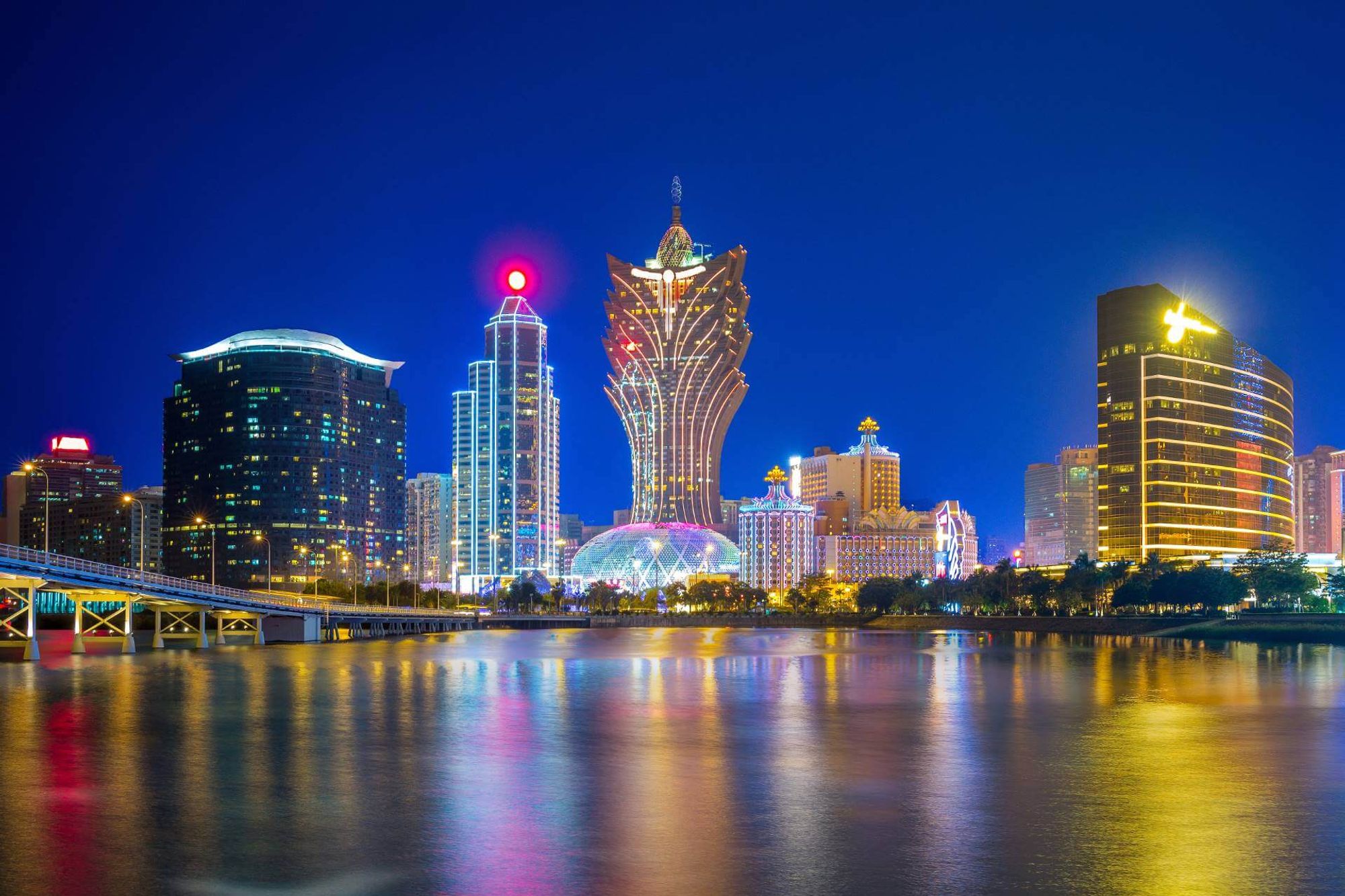
In Macau, centuries-old Portuguese buildings stand beside Chinese temples on narrow cobblestone streets. Around one corner, you might find locals playing mahjong in a quiet alley; around another, the gleaming towers of casinos reach toward the sky. The autumn months transform the city between October and December, the air cools down, the humidity drops, and the skies clear up, making it perfect for exploring on foot.
When November arrives, the city's mood shifts entirely as the Macau Grand Prix takes over. Regular streets close down and transform into racing tracks where drivers push their limits at breathtaking speeds. Meanwhile, at the City of Dreams, performers in the House of Dancing Water dive from impossible heights, swing through the air, and create stories using nothing but their bodies and a massive pool of water that appears and disappears throughout the show.
- How to get to Macau
- -Direct flights to Macau International Airport
- -Ferry service from Hong Kong (approximately 1 hour)
- -Cross-border bus services from mainland China
2. Kunming
Kunming sits high on a plateau where spring temperatures seem to last all year. The city serves as a doorway to Yunnan province, where 25 different ethnic groups have shaped the architecture, food, and daily life. Between March and October, the days stay warm but rarely hot, and flowers bloom in waves throughout the city parks and surrounding mountains.
At the Yunnan Nationalities Village, dancers and musicians from Bai, Yi, Dai, and other local groups perform in traditional dress, sharing stories that have been passed down for generations. When the Kunming International Flower Expo comes to town, the air fills with the scent of thousands of blooms, highlighting the city's centuries-old connection to plant trading and cultivation.
- -Flights to Kunming Changshui International Airport
- -High-speed rail connections from major Chinese cities
- -Long-distance buses from neighboring provinces
3. Shekou
Forty years ago, Shekou was a quiet fishing community. Today, its waterfront hums with activity as restaurants fill with diners, ferries come and go, and apartment towers house people from all over the world. The golden months fall between October and December, when the summer heat retreats and the winter chill hasn't yet arrived.
Inside the Design Society cultural center, exhibitions showcase everything from furniture to digital art, often featuring creators who blur the line between East and West. Nearby at SeaWorld (built around an actual beached ship), families gather for outdoor performances while young professionals meet for dinner and drinks. Every November, the massive China Hi-Tech Fair turns the city into a playground of new gadgets and technological innovations.
- How to get to Shekou
- -Flights to Shenzhen Bao'an International Airport
- -High-speed trains from Hong Kong, Guangzhou, and other major cities
- -Ferry connections from Hong Kong and Macau
Tips for Traveling to China
VISA & ENTRY
Most foreigners need a visa.
Apply 30+ days before travel.
Submit the application to the Chinese embassy/consulate with your passport, photos, and itinerary.
Check current requirements as policies change.
CULTURAL ETIQUETTE
Dress modestly at religious sites.
Remove your shoes when entering homes.
Exchange business cards using both hands.
Avoid discussing political topics.
MONEY MATTERS
Currency: Yuan/RMB (¥).
Credit cards and mobile payments are widely accepted in major cities.
WeChat Pay/Alipay are common but require a Chinese bank account.
Keep some cash for smaller vendors and shops.
HEALTH & SAFETY
- Emergency numbers: 120 (medical), 110 (police)
- Get vaccinated for Hepatitis A/B and typhoid
- Purchase comprehensive travel insurance before your trip
- Drink bottled water, as tap water is unsafe
TRANSPORTATION
Travel between cities efficiently on high-speed trains.
Major cities have excellent metro systems.
Use the DiDi app (available in English) to get taxis.