

Book bus, train, flight, or minivan tickets in
Czechia
- Book online with local operators
- We're here for you 24/7
- Stories by travelers, for travelers


Popular routes
Prague to Krakow
Karlovy Vary to Prague
Berlin to Prague
Cesky Krumlov to Prague
Munich to Prague
Prague to Berlin
Amsterdam to Prague
Prague to Karlovy Vary
Krakow to Prague
Prague to Vienna
Prague to Budapest
Paris to Prague
Czechia at a glance
International dialing code
Good to know
Spoken language
Cost to avg. transport ticket
Czechia Travel Guide: Everything You Need to Know
Discover the beauty of Czechia with our handy travel guide. Learn about the weather and the best seasons to plan your visit. Find easy ways to travel around the country and explore top cities like Prague. Taste delicious Czech food and beverages recommended by locals. Uncover hidden spots that most tourists miss but are worth seeing.
Weather and Best Time to Visit
Prague and Central Bohemia: May-June and September offer pleasant temperatures (15-25°C/59-77°F) and fewer tourists compared to the peak summer season. The spring blooms and autumn colors make these months particularly scenic.
South Bohemia: July-August is ideal for enjoying the numerous lakes and historic towns like Český Krumlov, with warm temperatures perfect for outdoor activities.
South Moravia: Late April to early June is the wine blossom season, while September brings the wine harvest festivals. Both periods offer delightful weather for vineyard tours.
East Bohemia and the Giant Mountains: For hiking, June to September provides the best conditions. Winter sports enthusiasts should visit December-March for reliable snow cover.
Moravian-Silesian Region: Summer months (June-August) are best for exploring the mountains and nature reserves with comfortable hiking temperatures.
Traveling by Season
The High Season: June-August
The summer months attract the largest crowds to Czechia, particularly Prague. Temperatures range from 16-26°C (60-80°F), creating ideal conditions for exploring. Expect occasional afternoon thunderstorms, especially in July and August.
Accommodation costs peak during this period, with prices 30-50% higher than off-season rates.
Popular attractions experience long queues, and advance booking becomes essential for tours and quality restaurants. Public transportation and city centers are crowded, and flight prices reach their maximum.
The Low Season: November-March
Visitor numbers drop significantly during the low season months, with November and January-March seeing the fewest tourists. Winter temperatures typically range from -3°C to 5°C (27-41°F), with snowfall possible but usually light in Prague. Days are short, with darkness falling by 4:30 pm in December.
Accommodation rates can drop by 40-60%, and attractions are pleasantly uncrowded. While some rural attractions may have limited hours or close entirely, cities remain accessible. Be prepared for occasional weather-related transportation delays.
The Shoulder Seasons: April-May & September-October
Shoulder seasons offer the best balance between good weather and manageable crowds:
- Spring (April-May) brings temperatures of 8-18°C (46-64°F) with flowering trees but increased rainfall.
- Fall (September-October) offers 8-19°C (46-66°F) weather with beautiful autumn colors and typically drier conditions.
Prices are 15-25% lower than high season, while most attractions maintain full operating hours. These months provide ideal conditions for experiencing Czechia with reasonable costs and moderate weather.
How to Get to Czechia
Across Czechia, a network of airports connects this landlocked country to the rest of the world. Prague functions as the country's main gateway, handling more than 17 million passengers annually. It serves business travelers, families, and tourists beginning their European journeys.
In the east, Brno operates as the second-busiest airport, connecting the Moravian capital to other Central European destinations. Ostrava provides air access to the northeastern industrial region, where traditional coal mining has given way to newer industries.
The spa town of Karlovy Vary maintains a small number of international flights, providing access to this historic wellness destination. Pardubice serves both military and civilian purposes, handling defense operations alongside charter holiday flights.
These airports maintain Czechia's international connections, making travel between Czechia and other European destinations convenient and efficient.
Cross-Border Travel to Czechia
Czechia sits at the crossroads of Central Europe, making it remarkably accessible by land from all directions.
After countless border crossings into the country, here's what you need to know about the most efficient routes:
Bus from Austria: The Vienna to Prague coaches take just 4 hours and operate on reliable schedules. They offer dependable Wi-Fi and power outlets for your devices. The route travels through South Moravia's vineyards before reaching the Bohemian highlands. See more Austria routes.
Train from Germany: Deutsche Bahn and Czech Railways provide modern, efficient connections across the border. The trains feature comfortable seating and large windows that showcase the scenic Elbe River valley. Find more Germany connections.
Bus/Train from Poland: Multiple daily crossings offer affordable transportation options. The Wrocław to Hradec Králové bus travels through the beautiful Sudeten Mountain region. Check the Poland routes for schedules.
Bus from Hungary: The Budapest to Prague overnight service features comfortable reclining seats.
How to Get Around
Czechia connects travelers to its corners through a network of transportation that feels like part of the adventure itself. Trains wind through the countryside, linking cities with regular schedules and seats where you can stretch your legs. Many passengers choose RegioJet, where the internet works, and they'll bring you something warm to drink without asking for extra money. When heading to smaller communities, buses roll through routes that trains don't reach.
Those who prefer setting their own pace rent cars to discover hidden valleys and hilltop villages at leisure, while groups often choose minivans so everyone can travel together.
In Prague, the subway runs deep beneath cobblestones on three color-coded lines, making it simple to jump between neighborhoods. Above ground, trams clatter along streets lined with centuries-old buildings. You'll see the city unfold through the windows as you ride.
After landing at the airport, shuttle services spare travelers the puzzle of finding their accommodations. Many find that booking a private driver eases the journey. They'll meet you with a sign and often share stories about local life that you won't find in guidebooks.
Popular suppliers: RegioJet | CK Shuttle
Food Scene
Czech kitchens tell stories through simple ingredients: meat, dumplings, and beer that have fed families for generations.
Tender svíčková — beef bathed in cream sauce — waits in Prague's. Morning walks through Old Town lead to the scent of trdelník, pastries cooking over open flames, warm and sweet in your hands.
Wander through Havelská Market where farmers arrange mushrooms gathered at dawn and grandmothers sell homemade preserves. When evening comes, Manifesto Market fills with laughter and modern takes on recipes passed down through centuries.
In Moravia, glasses of local wine accompany Olomoucké tvarůžky, a cheese whose bold aroma announces itself before you taste it. South Bohemian tables feature fish from nearby lakes.
Hidden Gems
1. The Macocha Abyss cuts 138 meters deep into the earth, a massive opening in the Moravian Karst landscape that makes you feel tiny when standing at its edge. This sinkhole, the deepest of its kind in Central Europe, reveals something unexpected at its bottom: a small green-blue lake locals call Witch's Lake, named after an old story about a stepmother who pushed a child into the abyss.
What makes it special: The abyss isn't just a hole in the ground; it's connected to the Punkva Caves beneath. Visitors can travel through these caves on small boats that glide along underground rivers, while limestone formations hang from the ceiling and rise from the floor, shaped by water over thousands of years.
Best time to visit: The warmer months from May through September offer clear paths and full access to all areas. During winter, the water sometimes freezes into ice formations, creating a completely different experience, though note that some cave sections might be closed.
How to get there: Catch a train to Blansko (a 30-minute ride from Brno), then hop on bus #226 to Skalní mlýn. From this point, you can either enjoy the 2 km/1.2 miles forest walk or take the shuttle bus that runs during tourist season to reach the abyss entrance.
Scenic Routes
Czechia unfolds like chapters in a storybook as travelers move through its countryside, towns with centuries-old buildings, and forests where time seems to stand still.
Five journeys reveal different faces of this Central European country:
Prague to Kutna Hora: This path leads to towers and spires built by craftsmen centuries ago, including a chapel where human bones form chandeliers and decorations. In spring, apple and cherry trees dot the fields with white and pink blossoms. The train windows frame fields, small villages, and hills of Central Bohemia as they pass by.
Brno to Znojmo: Rows of grapevines cover the hills of South Moravia along this route. Come autumn, the leaves turn gold and red, and locals gather to celebrate the grape harvest. Trains curve through valleys where vineyards meet forest edges, and church towers mark each village from afar.
Ostrava to Jesenik: The journey begins among old factories and mines before climbing into the mountains, where streams cut through meadows. Summer travelers can hop off at small stations to walk forest paths. The train climbs steadily upward, passing through tunnels and emerging to views that stretch for miles.
Plzen to Sumava: Old-growth forests where wolves and lynx roam again surround lakes clear enough to see fish swimming. In early fall, the trees turn a hundred shades of orange and red. Buses wind along roads that reach places where no trains go, stopping at villages where woodsmoke rises from chimneys.
Decin to Hrensko: The Elbe River has carved a path between rock walls that tower overhead. When late spring arrives, the fresh green leaves stand out against gray stone formations shaped like towers and gates. Trains run so close to the river that passengers can sometimes spot fish jumping or birds diving for them.
Events, Festivals and Local Markets
During winter, Prague transforms as wooden stalls appear in Old Town Square from late November to early January. Visitors walk between rows of local artisans selling hand-carved ornaments and warming their hands on hot cups of svařák (mulled wine) while carol singers perform traditional Czech melodies in the background.
In June, the streets of Pilsen step back in time. The Historical Weekend fills the city center with knights in armor clashing in tournaments, craftspeople working with traditional tools, and performers bringing medieval stories to life. Children and adults alike watch wide-eyed as history unfolds around them.
December brings a special atmosphere to Brno as Freedom Square becomes home to market stalls selling handmade gifts and local delicacies. The smell of trdelník (chimney cake) and medovina (honey wine) fills the air while people gather around fire pits sharing stories and laughter.
When July arrives in Karlovy Vary, red carpets roll out for the International Film Festival. Film lovers line up for screenings of new movies from around the world, sometimes catching glimpses of directors and actors who come to present their work in this spa town's historic theaters.
Best Places to Visit
1. Prague
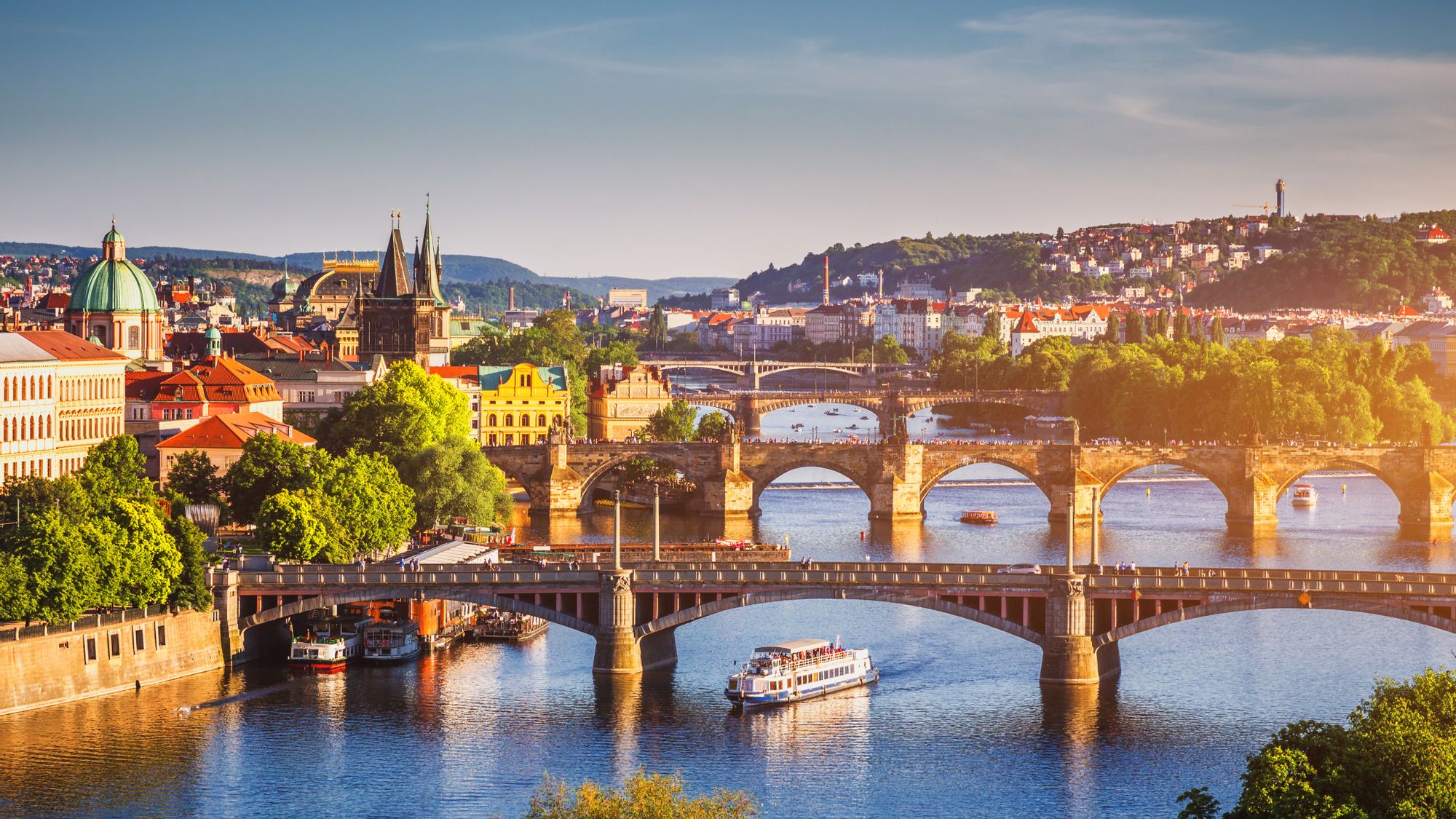
In the heart of Europe sits Prague, where centuries-old buildings stand shoulder to shoulder along streets that have witnessed history unfold. The Charles Bridge connects two worlds across the Vltava River, while Prague Castle watches over the city from its hillside perch. As evening falls, street lamps cast warm light on the cobblestones, turning ordinary walks into memorable journeys.
The city breathes most freely during April to May or September to October, when the air is crisp and visitors can claim more space for themselves than during packed summer months.
Every hour, crowds gather in Old Town Square as the astronomical clock performs its centuries-old routine. Meanwhile, in grand old buildings like the Municipal House, notes from classical concerts float through ornate halls. The Vltava River offers its own perspective of the city from boats that glide along its surface daily.
- -Fly directly to Václav Havel Airport Prague from major European cities
- -Take a train to Praha hlavní nádraží (main station) via European rail networks
- -Bus services like FlixBus connect Prague to neighboring countries
2. Cesky Krumlov
Český Krumlov seems to have stepped out of a forgotten storybook. A 13th-century castle stands guard over red-roofed houses, while the Vltava River loops around the town center like a protective embrace. Here, streets narrow unexpectedly and open into small squares where time moves differently.
Between May and September, the town comes alive with visitors exploring its nooks and crannies. Come in spring to have more of those cobbled streets to yourself.
Each day, guides lead curious travelers through the Baroque theater and gardens of Český Krumlov Castle. During summer evenings, performers in historical costumes bring the past back to life in the town center, while concert notes drift from the castle's Baroque theater.
- How to get to Cesky Krumlov
- -Take a direct bus from Prague (approximately 3 hours)
- -Travel by train to Český Krumlov station (requires a connection)
- -Join an organized day tour from Prague or Vienna
3. Karlovy Vary
Water has shaped every aspect of Karlovy Vary, from its colorful buildings climbing up hillsides to the covered colonnades protecting the hot springs. People have come to these thermal waters for centuries, carrying special cups designed for drinking the healing waters.
The town shows its best face from May through October, when trees add greenery to the scene. September brings orange and red leaves that reflect in the river running through town.
Throughout the day, visitors move between the different springs, each with its own mineral composition and temperature. Evening brings music to the Hot Spring Colonnade, while tour guides share stories of famous visitors who sought healing in these waters across the centuries.
- -Take a direct bus from Prague (approximately 2 hours)
- -Ride the train to Karlovy Vary station from Prague or other Czech cities
- -Drive via the D6 motorway if traveling with a rental car
Tips for Traveling to Czechia
VISA & ENTRY
- EU citizens: ID card only
- US/Canada/UK: Visa-free for 90 days
- Others: Check the Czech embassy website
- Keep your passport valid 6+ months beyond your stay
CULTURAL ETIQUETTE
- Greet with a firm handshake
- Remove your shoes when entering homes
- Tipping: 10% in restaurants
- "Dobrý den" (hello) appreciated
MONEY MATTERS
- Currency: Czech Crown (CZK)
- Cards are widely accepted in cities
- ATMs abundant
- Keep some cash for small shops/rural areas
HEALTH & SAFETY
- Emergency: 112
- Travel insurance recommended
- Tap water is safe to drink
- No special vaccines required
- Low crime rate; watch for pickpockets
TRANSPORTATION
- Efficient public transit in Prague
- Regional trains/buses connect cities
- Prague Metro: purchase tickets before boarding