

Book bus, train, flight, or minivan tickets in
Taiwan
- Book online with local operators
- We're here for you 24/7
- Stories by travelers, for travelers
Must visit places in Taiwan


Popular routes
Taichung City to Sun Moon Lake
Taipei City to Taichung City
Taichung City to Taipei City
Chiayi City to Taipei City
Kaohsiung City to Chiayi City
Kaohsiung City to Taichung City
Taichung City to Tainan
Taipei City to Taitung
Kaohsiung City to Taoyuan City
Taichung City to Taoyuan City
Taipei City to Kaohsiung City
Taipei City to Chiayi City
Taiwan Travel Guide: Everything You Need to Know
Discover Taiwan with our simple guide covering everything you need to know. Learn about its weather patterns and the best seasons to plan your visit. Find practical tips on getting around the island using public transportation and other options. Explore Taiwan's vibrant cities and natural wonders that should be on every traveler's list. Taste delicious Taiwanese dishes and uncover hidden spots that most tourists miss.
Weather and Best Time to Visit
Northern Taiwan (Taipei, Keelung): October to April offers pleasant temperatures and less rainfall. Avoid May to September, which brings high humidity and frequent downpours.
Central Taiwan (Taichung, Nantou): September to April provides comfortable weather for exploring Sun Moon Lake and mountain areas. The region enjoys milder temperatures year-round compared to the north.
Southern Taiwan (Kaohsiung, Tainan): October to April delivers sunny, dry conditions perfect for beach activities and outdoor exploration. The summer months are extremely hot.
Eastern Taiwan (Hualien, Taitung): November to April offers clear skies for viewing Taroko Gorge and coastal scenery. This region receives less rainfall during winter than other parts.
Offshore Islands (Penghu, Green Island): April to October provides ideal conditions for water activities and island hopping.
Note: Taiwan's typhoon season typically runs from July to September, with August seeing the highest activity. During this period, sudden itinerary changes may be necessary.
Traveling by Season
The High Season: June-August
Summer marks one of Taiwan's busiest tourist periods. Temperatures reach 30-35°C (85-95°F) with high humidity. Popular destinations in Taipei, Taichung, and coastal areas become crowded.
Expect to pay 30-50% more for accommodations, and make reservations well in advance. While night markets and festivals are lively during this time, be aware that typhoon season runs from July through September, potentially causing flight cancellations and travel disruptions. Southern beaches may experience afternoon thunderstorms.
The Low Season: November-March
Winter offers the best value with 25-40% lower accommodation prices and greater availability.
Northern Taiwan, including Taipei, averages 15-20°C (59-68°F) with frequent drizzle and overcast skies. Southern regions stay milder at 20-25°C (68-77°F). Despite Taipei's sometimes chilly, damp conditions, you can explore cultural sites and hot springs without crowds.
Note that Lunar New Year (January/February) is an exception, bringing increased domestic travel and higher prices.
The Shoulder Seasons: March & September-October
Spring and fall provide the best balance of good weather and reasonable crowds. Temperatures range from 20-28°C (68-82°F) with moderate humidity. March features cherry blossoms, while October offers clear skies and comfortable temperatures. Prices are typically 10-20% below high season rates with good availability.
- Spring has occasional showers, but rarely enough to disrupt plans.
- Fall creates ideal hiking conditions, though early September still carries some typhoon risk.
- These periods offer the most comfortable way to explore Taiwan at reasonable costs.
How to Get to Taiwan
Taiwan has several international airports that serve as entry points for travelers. Taiwan Taoyuan International Airport (TPE) is located outside Taipei and serves as the main international gateway with flights from around the world.
Taipei Songshan Airport (TSA) is more centrally located in the city and primarily handles domestic flights and short international routes from nearby Asian countries.
In southern Taiwan, Kaohsiung International Airport (KHH) provides access to Kaohsiung, known for its warm climate and harbor area. Taichung International Airport (RMQ) serves central Taiwan, making it convenient to reach Taichung and its markets and tea shops.
Hualien Airport (HUN) serves as the gateway to Hualien on the eastern coast, providing access to the region's mountains, gorges, and ocean views.
All airports connect to local transportation networks, allowing visitors to efficiently begin their travel throughout Taiwan.
Cross-Border Travel to Taiwan
Taiwan, an island nation in East Asia, offers several transportation options for travelers. While flights remain the most common method to reach Taiwan, exploring alternative routes can enrich your journey. Here are some ways to reach Taiwan from neighboring countries without taking to the skies:
- Ferry from Japan: The Okinawa to Taiwan ferry route takes about a day to cross the East China Sea. Passengers can often see flying fish and sometimes dolphins. The accommodations are basic but comfortable, and the deck offers beautiful sunset views. Be aware that schedules may change during typhoon season (June-October). Check the latest schedules: Japan routes.
- Ferry from Philippines: The Batanes to Kaohsiung ferry takes over 30 hours to complete. This basic service provides simple bunk beds and shared meals. It's advisable to bring motion sickness medication, extra food, and be prepared for thorough customs procedures. Find current options on these Philippines routes.
- Connected transportation from Mainland China: Traveling from China typically requires taking a bus from Xiamen or Fuzhou to a port, then catching a ferry across the Taiwan Strait. Due to political considerations, expect additional document checks and possible service changes. More information → China routes.
Once in Taiwan, excellent domestic transportation connects major cities:
How to Get Around
Taiwan connects travelers to all corners of the island through transportation that works for every style and budget. The Taiwan High Speed Rail (THSR) zips along the western corridor at 300 km/h (186 mph), turning what would be a lengthy journey between Taipei and Kaohsiung into a quick 90-minute ride. Travelers wanting to see the coastal scenery can hop on the regular trains run by Taiwan Railways Administration, which wind through small towns and shoreline views that high-speed travelers miss.
Money-conscious explorers often choose intercity buses that reach most towns without emptying their wallets. Once in cities like Taipei or Kaohsiung, the MRT subway systems make navigation simple with signs in English pointing the way. When subway lines don't reach a destination, city buses fill the gaps.
YouBike stations dot urban areas, letting people pedal through neighborhoods at their own rhythm. Taxis wait at most corners, running on meters that keep prices straightforward. For those who want freedom without the workout of cycling, electric scooters let riders duck through narrow alleys and find hidden spots cars can't reach.
Ready to plan your route? Check out Taiwan High Speed Rail and uBus on our website to book tickets before you arrive.
Food Scene
In Taiwan, a bowl of beef noodle soup tells stories spanning generations. Families gather around tables to share this hearty dish, with its tender beef chunks and hand-pulled noodles swimming in broth that's been simmering since morning.
Walk through any night market and watch locals line up for gua bao. These soft steamed buns fold around braised pork belly, crushed peanuts, and pickled greens — a handheld meal that fills the stomach and warms the soul.
When evening falls in Taipei, Raohe Night Market comes alive. The scent of pepper buns pulls you forward, their crisp outer shells hiding savory pork and scallion fillings. In Shilin Night Market, locals point visitors toward stalls where chicken steaks larger than your hand fry to a golden crunch.
Each region keeps its own food traditions:
- In Tainan, small bowls of danzai noodles topped with a single shrimp tell the city's seafaring history.
- Taichung locals pause their afternoon for sun cakes and the original bubble tea, born on their streets decades ago.
Taiwan's kitchens, whether street-side or star-rated, invite you to pull up a chair. Each dish offers a bite of the island's story — one you'll want to taste for yourself.
Hidden Gems
1. Chimei Village, near Tainan
In the quiet countryside of Tainan, farmers in Chimei village tend to their fruit orchards and rice fields just as their grandparents did. When March arrives, the peach trees burst into pink blossoms, transforming ordinary paths into something from an old painting. Come autumn, locals celebrate the harvest, sharing traditional dishes and stories.
To find this pocket of everyday Taiwanese rural life, catch Bus 18 from Tainan Station to the Chimei stop, then walk ten minutes until you reach the community center where residents will often greet visitors with a nod and smile.
2. Qigu Salt Field, near Tainan
White pyramids rise unexpectedly from the flat landscape of Tainan's coast — not made of stone but of salt, piled high by generations of salt workers. Between 4 and 6 pm, the setting sun turns these crystalline hills a warm gold. Nearby, the Taiwan Salt Museum tells the story of the families who once made their living from the sea.
You can reach this unusual landscape by taking Tainan Bus 99 to Qigu Salt Field stop, or drive thirty minutes from downtown Tainan to stand atop Taiwan's unexpected mountains of salt.
3. Dulan Sugar Factory, near Taitung City
The machines that once processed sugar cane now stand silent in this old factory, but the space hums with new energy as artists and musicians have claimed it as their own. Indigenous artists hang their work in corners where factory workers once toiled, and on Saturday evenings, music fills the air while people browse the night market stalls.
Find this cultural crossroads 20 km (12.4 miles) north of Taitung City by taking the Hualien to Taitung train to Dulan Station, then walking five minutes east toward the sound of guitars and conversation.
Scenic Routes
Taiwan's mountains, coastlines, and cultural sites create journeys worth taking, with each path showing a different side of the island.
Taipei to Pingxi: The old railway cuts through mountain valleys to former mining communities where traditions live on. Locals and visitors write wishes on paper lanterns before watching them float into the sky. The train windows frame views of small villages and green hills that cars simply can't reach. The cool air of spring makes the journey comfortable.
Hualien to Taitung: Ocean meets mountains on this coastal route. Waves crash against cliffs on one side while peaks rise on the other. Winter brings empty beaches and clear blue horizons. Travelers press against train windows as the tracks hug the coastline, sometimes just meters from the Pacific.
Taipei to Jiufen: The mountain road climbs to a town where red lanterns light narrow streets between old tea houses. Many recognize it from Miyazaki's films. In autumn, mist wraps around the buildings, and bus drivers know exactly where to stop for the best views across the bay.
Alishan Forest Railway: This century-old train makes its way through bamboo forests into mountain cloud banks. The temperature drops as the altitude rises. Early risers catch the moment when sunrise breaks through a sea of clouds below. Open windows let in the scent of cypress trees.
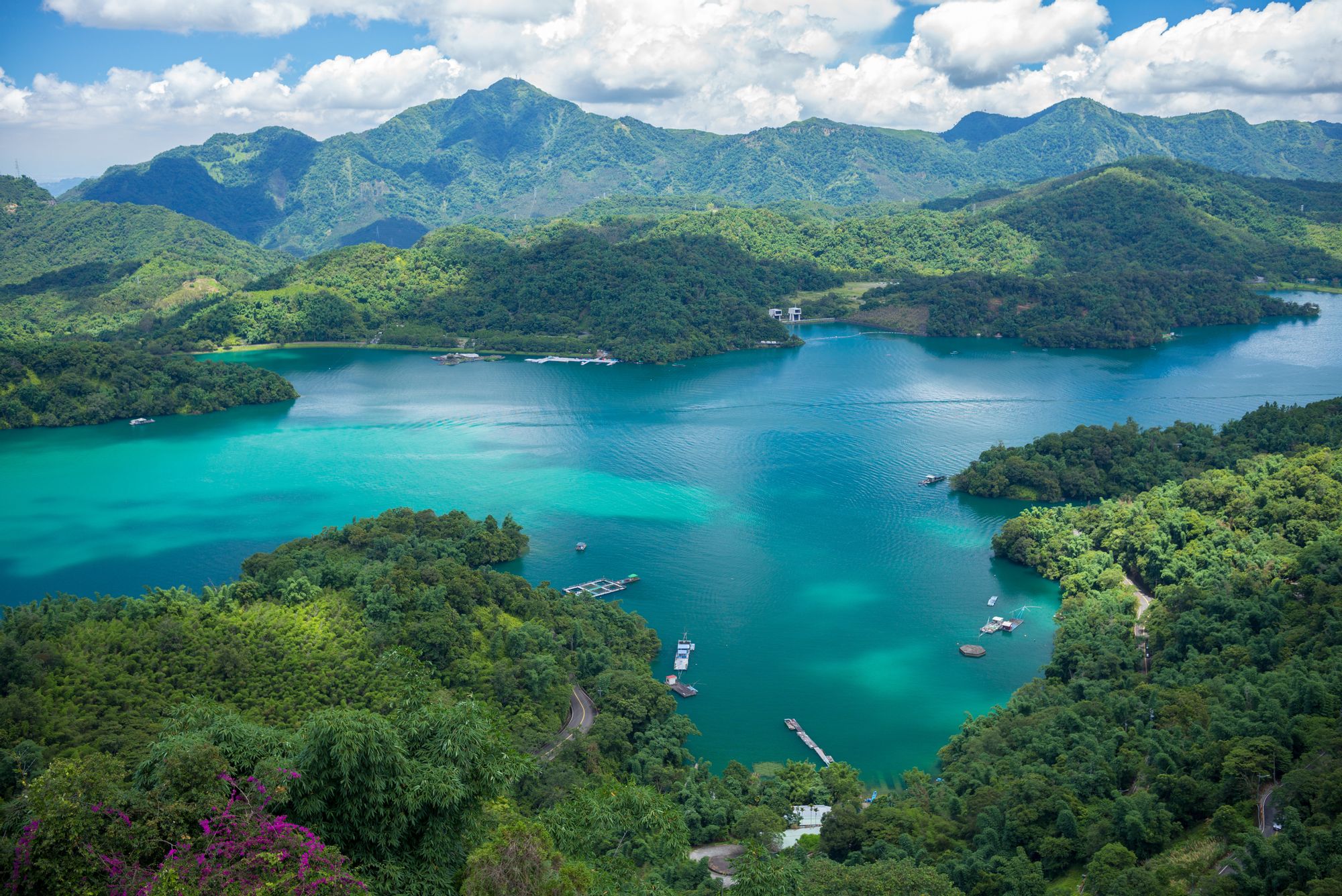
Taichung to Sun Moon Lake: The road leaves city streets behind and enters hill country before revealing the lake's blue waters. Local tribes have called these shores home for centuries. In late autumn, the mountains reflect perfectly in the still water. Bus seats sit high enough to see over roadside trees as the landscape changes.
Events, Festivals and Local Markets
When winter reaches its peak, the fields of Miaoli turn red with ripe strawberries. From December to April, families walk between rows of plants, picking berries and filling baskets. Local bakers transform the harvest into tarts and jams, while farmers proudly display their best crops. The air smells sweet as children's hands become stained with juice.
As Lunar New Year approaches, Tainan's Yanshui district prepares for noise and fire. Participants wear thick protective gear as thousands of bottle rockets streak through the night sky. The tradition began centuries ago during a cholera epidemic, when fireworks were used to ward off disease. Today, locals say those who brave the rockets will have good fortune all year.
Spring brings new growth to Yilan, where the Green Expo showcases what's possible when people work with nature. Farmers demonstrate techniques passed through generations. Garden designers create spaces where children run between flowers and learn how seeds become food. Visitors leave with dirt under their fingernails and ideas for their own gardens.
When the fifth lunar month arrives, Changhua's Lukang waterfront fills with the sound of drums. Teams of rowers dip paddles in unison as dragon boats slice through water. On shore, grandmothers unwrap bamboo leaves to reveal sticky rice dumplings stuffed with pork and mushrooms. The tradition honors poet Qu Yuan, who drowned himself in protest against corruption over 2,000 years ago.
Best Places to Visit
1. Taipei
Taiwan's capital never sleeps. People move between glass skyscrapers and centuries-old temples that somehow coexist on the same streets. Shoppers fill the malls by day while night markets come alive after dark with sizzling food stalls and local merchants. The Taipei 101 tower stands watch over it all, visible from nearly anywhere in the city. When your feet tire, hop on the MRT subway that connects almost every corner of Taipei.
The city breathes easiest between October and April. The air stays cool enough for comfortable walks, and rain rarely interrupts plans. Summer brings heavy, humid air and afternoon downpours that send people scrambling for cover.
History lives at the National Palace Museum, where artifacts tell China's story across millennia. The oddly-shaped Taipei Performing Arts Center hosts dancers and musicians from around the world. Just outside the city, people climb the volcanic trails of Yangmingshan, where steam rises from the earth and wild cattle sometimes block the paths.
- -Direct international flights to Taoyuan International Airport
- -High-speed rail from other major Taiwanese cities
- -Regular bus services from throughout Taiwan
2. Taichung
In central Taiwan, Taichung moves at its own pace. Artists have claimed whole neighborhoods, painting murals across buildings and opening workshops in old factories. The food here tells Taiwan's story — traditional night market stands operate beside innovative restaurants where chefs experiment with local ingredients. Mountains rise in the distance, and Sun Moon Lake sits just a short drive away, reflecting the sky in its clear waters.
The city shows its best self in spring and fall. Cherry blossoms appear in March, and trees turn golden in October. Winter brings occasional fog that softens the city's edges, while summer heat sends locals searching for shade and shaved ice desserts.
Music fills the National Theater most evenings, from traditional Chinese orchestras to international symphonies. Jazz notes spill into the streets during the annual festival and continue year-round in basement clubs. At Rainbow Village, a former military housing complex saved by an elderly man's paintings, visitors walk through rooms covered floor-to-ceiling in colorful characters and scenes.
- How to get to Taichung
- -Direct flights to Taichung Airport from various Asian cities
- -High-speed rail from Taipei (approximately 1 hour)
- -Express bus services from major Taiwanese cities
3. Kaohsiung
The South moves differently. Kaohsiung's wide streets and harbor give it room to breathe. Palm trees line the boulevards, and parks offer green retreats from the concrete. Mountains rise to the east, and to the west, ferries shuttle people to Cijin Island, where seafood restaurants serve the morning's catch and waves break on sandy beaches.
The city opens up between October and March. Breezes keep the air moving, and rain stays away for weeks at a time. Summer brings tropical heat that slows the pace, though evenings by the water offer relief as lights reflect on the harbor.
Old warehouses along Pier-2 now house artists' studios and exhibition spaces where concrete walls display contemporary works. Boats cruise the Love River at sunset, passing under lit bridges and beside riverside cafes. Film lovers gather at the Kaohsiung Film Archive to watch international movies and sometimes meet directors who share stories after screenings.
- -Direct flights to Kaohsiung International Airport
- -High-speed rail from Taipei (approximately 2 hours)
- -Intercity buses and regular train services
Tips for Traveling to Taiwan
VISA & ENTRY
- US/EU citizens: visa-free for 90 days
- Passport valid 6+ months beyond stay
- Complete the online arrival card before landing
CULTURAL ETIQUETTE
- Remove shoes when entering homes
- Accept/give items with both hands
- Modest dress at temples
- Tipping is uncommon except in high-end hotels
MONEY MATTERS
- Currency: New Taiwan Dollar (NT$)
- Credit cards are widely accepted in cities
- Cash is preferred in rural areas
- ATMs are abundant at convenience stores
HEALTH & SAFETY
- Emergency: 119
- Travel insurance recommended
- Hepatitis A/B vaccines are advised
- Tap water: boil first or buy bottled
TRANSPORTATION
- MRT/subway is excellent in Taipei
- EasyCard works for MRT/buses/convenience stores
- High-speed rail connects major cities