

Book ferry, flight, bus, or train tickets in
Estonia
- Book online with local operators
- We're here for you 24/7
- Stories by travelers, for travelers


Popular routes
Tallinn to Stockholm
Tallinn to Helsinki
Tallinn to Riga
Tallinn to Kaunas
Riga to Tallinn
Helsinki to Tallinn
Riga to Parnu
Tallinn to Klaipeda
Kaunas to Tallinn
Tallinn to Vilnius
Vilnius to Tallinn
Warsaw to Tallinn
Estonia Travel Guide: Everything You Need to Know
Discover the enchanting Baltic nation of Estonia with our comprehensive travel guide. Learn about its climate and the ideal seasons for your visit, as well as convenient transportation options to explore the country. Explore Estonia's most captivating cities and attractions, from medieval Tallinn to the serene islands of Saaremaa and Hiiumaa. Savor traditional Estonian cuisine, including black bread, smoked fish, and hearty stews that reflect the country's unique culinary heritage. Our guide also reveals Estonia's secret treasures and off-the-beaten-path locations that most tourists never get to experience.
Weather and Best Time to Visit
Northern Estonia (including Tallinn): June to August offers pleasant temperatures (15-22°C/59-71°F) with long daylight hours. May and September provide fewer tourists while maintaining mild weather.
Western Estonia and the Islands: July and August are ideal for beach activities with temperatures around 20°C/68°F. June and early September remain pleasant with fewer crowds.
Southern Estonia: Late May to early September provides the best conditions for exploring forests and lakes. July-August sees the warmest temperatures (18-24°C/64-75°F).
Eastern Estonia: June to August offers comfortable conditions for outdoor activities around Lake Peipus. Early autumn (September) showcases beautiful fall colors.
Central Estonia: June through August provides ideal conditions for bog walks and nature exploration with temperatures between 15-22°C/59-71°F.
Estonia has no typhoon season, but November through March brings cold temperatures and shorter daylight hours throughout the country.
Traveling by Season
The High Season: June-August
Estonia is busiest during the summer months from June through August. Temperatures typically range from 16-22°C (61-72°F), sometimes reaching 25°C (77°F). You'll enjoy up to 19 hours of daylight in June, giving you plenty of time for activities.
Be prepared for accommodation prices to increase by 30-50%, and expect crowds at popular attractions. It's essential to book accommodations and tours in advance. The weather is usually good with occasional rain showers. Tallinn's Old Town and beach destinations like Pärnu become particularly crowded.
The Low Season: November-March
Winter sees the fewest visitors, with temperatures typically between -5°C and 2°C (23-36°F), occasionally dropping to -15°C (5°F). Daylight is limited to 6-7 hours in December.
The advantages include:
- -30-50% discounts on accommodations
- -Significantly fewer crowds
However, many coastal attractions and rural tourism facilities close for the season. Snow is common and can cause transportation delays, especially in rural areas. December brings a temporary increase in visitors for the Christmas markets. The Baltic coastline sometimes freezes, creating interesting winter scenery.
The Shoulder Seasons: April-May & September-October
Spring and autumn offer a good balance with moderate tourist numbers and prices 15-25% lower than summer rates.
Spring (April-May) brings temperatures of 5-15°C (41-59°F), frequent rain, and flowering landscapes.
Autumn (September-October) offers temperatures from 7-15°C (45-59°F) with colorful foliage but increasing rainfall.
Both seasons provide good availability at attractions and reliable transportation, though rural roads can occasionally be affected by spring thaws or autumn storms.
How to Get to Estonia
Planes land in Estonia daily, connecting this Baltic nation to the world through several airports. Tallinn Airport (TLL) serves as Estonia's primary gateway, located just minutes from the capital city with its mix of medieval heritage and modern facilities. From Tallinn, you can catch flights to numerous European destinations throughout the day.
In the southern region, Tartu Airport (TAY) provides access to Estonia's second-largest city, a university town with centuries of academic tradition.
Along the western coast, Pärnu Airport serves travelers heading to this coastal town, a popular Estonian vacation destination.
For those exploring Estonia's islands, airports at Kuressaare on Saaremaa Island and Kärdla Airport on Hiiumaa Island offer convenient access points. Each airport serves as a practical starting location for exploring different regions of Estonia.
Cross-Border Travel to Estonia
Estonia is easily accessible by land and sea transportation from neighboring countries. Here are the most reliable routes to reach Estonia:
Bus from Latvia: The Riga to Tallinn journey takes 4 hours. Buses depart hourly and provide reliable Wi-Fi and power outlets at each seat. Consider the Riga to Pärnu route if you're heading to Estonia's coastal region, as it eliminates the need to backtrack from Tallinn.
Ferry from Finland: The Helsinki to Tallinn ferry crosses the Gulf of Finland in 2 hours. For the best views of Tallinn's medieval skyline, get deck access. Morning ferries are typically less crowded than afternoon departures.
Bus from Lithuania: The Vilnius to Tallinn route takes 9 hours. The overnight service is a good option. For the best views of the Latvian countryside, choose a window seat on the right side when traveling northbound.
Bus/Train from Russia: The Saint Petersburg to Tallinn connection crosses at the Narva River border. Be prepared for border checks that can extend your travel time by about an hour, particularly during the summer tourist season.
How to Get Around
Estonia connects its cities and countryside through a network of transportation that makes travel straightforward. Buses run between cities like Tallinn, Tartu, and Pärnu, taking travelers along highways and through small towns.
When it's time to visit Estonia's islands, Saaremaa with its windmills or peaceful Hiiumaa, ferries carry cars and foot passengers across the Baltic waters. These same ferries can take you further to Finland or Sweden, cutting through waves as gulls follow behind.
In Tallinn, the streets of Old Town wind close together, making walking the natural choice. Travelers discover hidden courtyards and small cafés that wouldn't be noticed from a vehicle. When legs grow tired, public buses and trams move throughout cities at regular intervals, locals and visitors sharing seats.
Some travelers prefer the freedom of rental cars, especially when heading to Estonia's forests or coastal areas where bus schedules might be limited. Others choose bicycles, pedaling along dedicated paths and feeling the Baltic breeze.
When evening falls or bags become heavy, taxis and the Estonian-created Bolt app (formerly Taxify) bring drivers to your location with a few taps on your phone.
For longer journeys, Lux Express buses offer comfortable seats and WiFi while you watch the countryside pass by. When heading across water, Tallink Silja ferries provide reliable connections to neighboring countries.
Food Scene
When night falls in Tallinn's medieval Old Town, servers in period costumes bring steaming plates of verivorst, dark, rich blood sausage spiced with marjoram and barley, alongside hearty bowls of mulgipuder, where potatoes and barley melt together into a comforting porridge often topped with crispy bacon. The food tells stories of Estonia's harsh winters and resourceful cooking traditions.
Morning light streams through the windows of Balti Jaama Turg (Baltic Station Market), where locals debate the ripeness of berries and the freshness of fish. Nearby at Depoo Food Street, smoke rises from food trucks where chefs transform traditional recipes into handheld meals perfect for enjoying while walking through the city's cobblestone streets.
Along Estonia's coastline, particularly in Haapsalu, fishermen still smoke their catch using methods passed down through generations. The resulting fish pairs perfectly with dark bread. On the island of Saaremaa, families continue brewing beer using recipes that survived Soviet times, serving it alongside the island's famous black bread, dense, slightly sweet, and perfect with butter.
Hidden Gems
In the small coastal town of Haapsalu stands a 13th-century fortress with walls that tell stories beyond their stone. The Haapsalu Castle isn't just an old building with towers and passages. It's where the White Lady makes her appearance. During August full moons, people gather to catch a glimpse of this ghostly figure on the castle wall, a phenomenon that brings curious visitors from across Europe.
Best time to visit: The castle shows itself at its best between May and September, when the weather allows for comfortable exploration. If you come during the White Lady Festival in August, you'll walk through medieval markets, hear music echoing off ancient walls, and watch performances that make history feel present.
How to get there: Hop on a bus from Tallinn, and in about 1.5 hours, you'll arrive in Haapsalu. From the bus station, a short 10-minute walk brings you to the castle that stands tall in the town center. If you prefer driving, it's about 100 km (62 miles) from Tallinn via Highway 9.
Scenic Routes
Estonia tells its stories through roads winding between medieval towns, quiet forests, and Baltic coastlines. The country's small size means travelers can see its different faces in just a few days. Five journeys reveal Estonia's character in different seasons:
-
Tallinn to Haapsalu: The bus rolls through western countryside fields before reaching this coastal town, where wooden houses line narrow streets. The medieval Episcopal Castle stands as a reminder of centuries past. In summer, locals stroll the seaside promenade at sunset, and you might join them after your journey.
-
Tallinn to Tartu: Train wheels click-clack through forests and past farmhouses on this route to Estonia's university town. In autumn, red and gold trees flash past train windows. Students with backpacks fill Tartu's cafes, discussing ideas over coffee.
-
Tallinn to Lahemaa National Park: Just a short bus ride takes travelers to wooden boardwalks crossing ancient bogs and paths through forests where moose leave tracks. Spring brings birdsong and wildflowers, while wooden manor houses peek through the trees.
-
Tallinn to Narva: The eastern train passes fishermen's villages and sandy shores before reaching two fortresses standing face-to-face across the Russian border. Late spring shows the route at its greenest, with apple trees blooming in countryside gardens.
-
Kuressaare to Saaremaa Coastal Route: Buses circle Estonia's largest island past limestone cliffs and fields where sheep graze among juniper bushes. Old windmills still stand sentinel over fields. Midsummer's long daylight hours let travelers find hidden coves where amber washes ashore.
Events, Festivals and Local Markets
During November-December, the Tallinn Christmas Market fills Town Hall Square with wooden stalls selling hand-carved ornaments and warm mulled wine. Children circle the ancient spruce tree while craftspeople demonstrate traditional skills passed down through generations. The aroma of black pudding and gingerbread draws people from their snow-dusted walks across the cobblestones.
When May-June arrives, Tallinn Old Town Days bring history to life. Archers practice their aim near medieval walls, blacksmiths hammer red-hot metal, and musicians play instruments forgotten by most of the modern world. Visitors can try their hand at calligraphy or watch knights demonstrate combat techniques unchanged since the 14th century.
July brings Tallinn Maritime Days, when tall ships dock in the harbor and sailors share stories of Baltic Sea journeys. Families can:
- -Climb aboard historic vessels
- -Taste fish smoked according to old recipes
- -Watch boat builders demonstrate their craft
The salt air mixes with music as local bands play on the waterfront.
In July in Tartu, Hanseatic Days transport the university town back to its trading heyday. Merchants in historical dress sell goods along routes established centuries ago. Street performers juggle and tell tales in the shadow of buildings where scholars have studied since 1632. The festival remembers when Tartu connected to a network of trading cities across Northern Europe.
Best Places to Visit
1. Tallinn
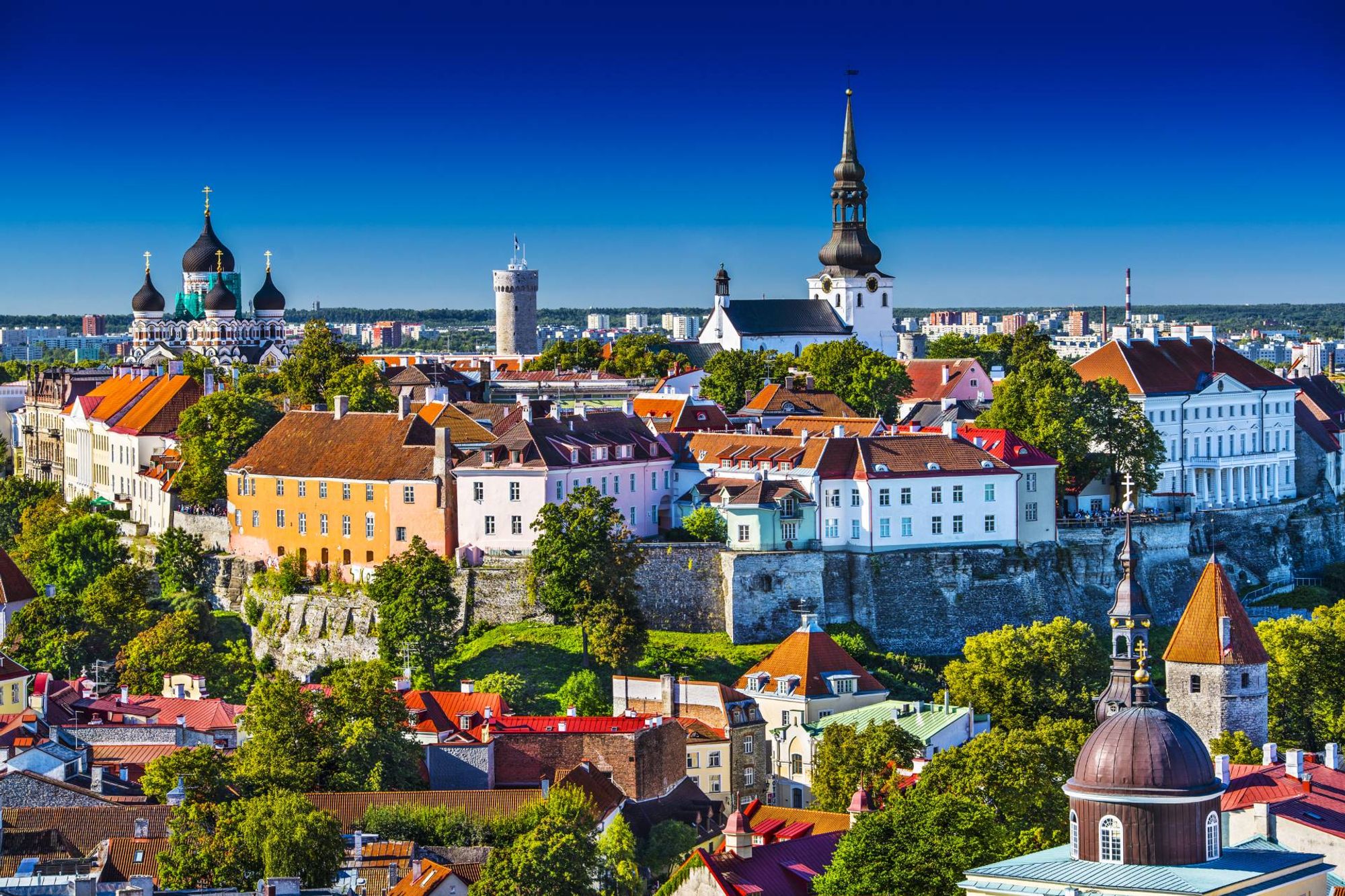
In Tallinn, history lives within walls that have stood since medieval times. The Old Town's cobblestone streets tell stories of merchants and knights who walked the same paths centuries ago. UNESCO recognized this living museum, where visitors can touch the ancient city walls and peek through arrow slits that once guarded against invaders.
Beyond the old stones, Telliskivi buzzes with artists working in former factories while nearby, programmers develop tomorrow's technologies in glass-walled offices. These neighborhoods don't just exist side by side; they feed each other.
Summer brings 18-hour daylight and open-air cafés filled with people. December transforms Town Hall Square as the scent of mulled wine and gingerbread drifts through snowflakes around the Christmas tree that's stood in this spot since 1441.
Every Wednesday, the Town Hall opens its doors for curious visitors. Early summer fills streets with people in medieval costume during Old Town Days, while St. Nicholas' Church resonates with classical notes weekly. Sunday organ concerts make the Dome Church's ancient stones hum with music.
- -Direct flights to Tallinn Airport from major European cities
- -Ferry connections from Helsinki (2 hours) and Stockholm (overnight)
- -Bus services connecting to Riga, St. Petersburg, and other Baltic cities
2. Parnu
The sand at Parnu beach stretches wide enough that even in July, you'll find space for your towel. Children build sandcastles as parents alternate between dozing under umbrellas and cooling off in the Baltic waves. Behind the shore, hundred-year-old wooden villas stand watch over new generations enjoying the same sea air that has drawn Estonians for summer holidays since the 1800s.
In town, park benches sit beneath trees where locals read books or chat with neighbors. The historic mud baths have eased aching muscles for centuries; the same treatments that once served European nobility now welcome anyone seeking relief.
Between June and August, the water warms enough for swimming, and even locals shed their usual reserve to celebrate summer's brief intensity.
Weekend concerts fill Beach Park with music as the sun sets late in the evening. On Fridays, architecture enthusiasts gather to learn about the town's wooden buildings and their stories. Inside the historic mud baths, weekly demonstrations show techniques passed down through generations of wellness practitioners.
- -Regular bus services from Tallinn (2 hours) and other Estonian cities
- -Train connections from Tallinn with scenic countryside views
- -Car rental options with easy access via Highway 4
Tips for Traveling to Estonia
VISA & ENTRY
- EU citizens: Enter with an ID card
- Non-EU: Most Western countries get 90 visa-free days
- Check the e-Estonia portal for current requirements
CULTURAL ETIQUETTE
- Estonians value personal space and quietness
- Handshakes are firm; maintain eye contact
- Remove your shoes when entering homes
MONEY MATTERS
- Currency: Euro (€)
- Card payments are widely accepted, even for small amounts
- Keep some cash for rural areas
HEALTH & SAFETY
- Emergency number: 112
- No special vaccines required
- Travel insurance recommended
- Low crime rate; practice normal precautions
TRANSPORTATION
- Tallinn: free public transport for residents
- Buses connect cities regularly
- Bolt/Uber is available in larger cities