

Book flight, bus, or train tickets in
Latvia
- Book online with local operators
- We're here for you 24/7
- Stories by travelers, for travelers
Must visit places in Latvia


Popular routes
Tallinn to Riga
Riga to Vilnius
Vilnius to Riga
Riga to Siauliai
Siauliai to Riga
Riga to Tallinn
Daugavpils to Riga
Riga to Parnu
Kaunas to Riga
Klaipeda to Riga
Riga to Berlin
Riga to Panevezys
Latvia Travel Guide: Everything You Need to Know
Explore Latvia with our handy travel guide, perfect for planning your next adventure to this Baltic gem. Learn about its weather patterns and discover the best times to visit for your ideal experience. Find out how to get around the country, from public transport to car rentals, making your journey smooth and enjoyable. Discover top cities like Riga and Jurmala, plus must-visit destinations such as Gauja National Park and the Rundale Palace. The guide also shares delicious Latvian foods to try and reveals hidden spots that most tourists miss.
Weather and Best Time to Visit
The best months to visit Riga and Central Latvia are June to August, with warm temperatures (20-25°C/68-77°F) and many cultural festivals. May and September have good weather with fewer tourists.
For Kurzeme (Western Coast), July and August are best for beach activities with temperatures around 22°C/71°F. June and early September offer quieter beaches with still comfortable weather.
Vidzeme (Northern Latvia) is best visited from late May to mid-September, ideal for exploring Gauja National Park. August has the best conditions for hiking when forests are at their fullest.
Latgale (Eastern Latvia) is most enjoyable from June to August, perfect for enjoying the region's lakes and nature reserves with temperatures between 18-24°C/64-75°F.
Zemgale (Southern Latvia) offers excellent visiting conditions from May through September for exploring palaces and nature parks. June features especially beautiful blooming landscapes in the countryside.
Traveling by Season
The High Season: June-August
Latvia's summer is the busiest tourist period with temperatures typically between 18-22°C (64-72°F). June and July provide the longest daylight hours, with the summer solstice celebration (Līgo/Jāņi) being a major cultural event.
Accommodation costs increase by 30-50%, attractions become more crowded, and booking in advance becomes important, particularly in Riga and beach destinations like Jūrmala.
The weather is usually good with some thunderstorms. Average monthly rainfall is 70-80 mm. Baltic beaches are enjoyable during this time but remain less crowded than Mediterranean destinations.
The Low Season: November-March
Winter sees much fewer visitors with temperatures ranging from -5°C to 2°C (23-36°F), sometimes falling to -15°C (5°F). Daylight hours are short (7-8 hours), and snow is typical from December through February.
Accommodation prices decrease by 30-40%, with good availability except during the Christmas market season. Travel disruptions can happen due to weather, including:
- -Flight delays
- -Icy roads
- -Limited rural transportation
Winter activities include ice fishing, cross-country skiing, and visiting Christmas markets.
The Shoulder Seasons: April-May & September-October
These transitional months offer better value with prices 15-25% below peak season and smaller crowds. Spring (April-May) temperatures range from 8-15°C (46-59°F) with flowering landscapes but regular rain showers (50-60 mm monthly). Fall (September-October) brings temperatures of 10-17°C (50-63°F) with colorful foliage, though skies become increasingly overcast by late October.
Both periods provide authentic cultural experiences, pleasant sightseeing conditions, and reasonable accommodation availability without much need for advance booking, except on Riga weekends.
How to Get to Latvia
Latvia has several airports that serve as entry points to the country. Riga International Airport (RIX) is the primary air hub, handling over 7 million passengers annually. From the airport, travelers can quickly reach Riga, where they can explore historic streets and architecture. While smaller airports offer limited flight options, Riga International Airport provides connections to many European capitals and international destinations.
In the southwest, Liepāja International Airport provides access to Liepāja, a coastal city known for its beaches and vibrant music scene.
Ventspils Airport serves Ventspils, where the Venta River meets the Baltic Sea. This city is popular for its family-friendly blue flag beaches during summer.
In the eastern part of the country, Daugavpils International Airport connects visitors to Daugavpils, Latvia's second-largest city, featuring a notable 19th-century fortress and diverse cultural influences.
These airports all serve as gateways to Latvia's natural landscapes and cultural attractions.
Cross-Border Travel to Latvia
Latvia is positioned between Northern and Eastern Europe, and traveling there without flying allows you to experience the region's changing landscapes. Here are practical ways to reach Latvia by land and sea:
Bus from Lithuania: The Klaipeda to Riga route follows the Baltic coast, showing dune landscapes and fishing villages. The Vilnius to Riga buses run frequently through forests and farmland, with reliable WiFi and power outlets for the 4-hour journey. Find more options on Lithuania routes.
Train from Estonia: The Tallinn to Riga train offers comfortable seating and large windows for viewing the scenery. The route passes through Estonia's boglands before entering Latvia's agricultural areas. See more information on Estonia routes.
Bus from Belarus: Minsk to Riga overnight buses help save on accommodation costs. Be prepared for extended border checks that can add about an hour to your journey time.
Ferry from Netherlands: The Rotterdam to Riga ferry provides basic cabins and a restaurant serving Baltic specialties alongside standard ferry food.
Bus from Poland: Connections from Warsaw require changing buses in Vilnius or Kaunas. While this makes for a long day of travel, it's completely doable. Check our Poland routes for operators with coordinated schedules for easier transfers.
How to Get Around
When you step onto Latvian soil, the country opens itself up through its network of transportation. Buses connect the dots between cities like Riga, Jurmala, and Daugavpils, carrying passengers along highways and country roads with regular schedules and reasonable fares. These same buses shrink down to serve city streets too, weaving through Riga's neighborhoods from morning until night.
In Riga, trams add character to the journey. Their wheels follow tracks that cut through the heart of the capital, letting passengers watch city life unfold through the windows as they travel from one district to another.
While exploring Latvia, you'll notice what isn't there:
- -No tuktuks weaving through traffic
- -No subways rumbling underground
Instead, many travelers and locals tap their phones to summon ride-sharing services, which arrive within minutes and take them exactly where they need to go, even to spots where bus routes don't reach.
When summer warmth spreads across Latvia, bicycles appear everywhere. Cyclists pedal along dedicated lanes in Riga and follow paths that hug the Baltic coastline, the sea breeze in their hair.
For journeys between cities, companies like Lux Express and Ollex provide buses with enough legroom to watch the Latvian countryside roll by in comfort.
Food Scene
When Latvians gather around a table, they often share a plate of grey peas with bacon, hard little legumes softened by slow cooking and complemented by crispy pork.
The sklandrausis, a carrot and potato tart nestled in a rye dough shell, tells the story of resourceful countryside cooking. And rupjmaize, the dense, dark rye bread that Latvians miss most when abroad, accompanies nearly every meal in the country.
The massive Riga Central Market houses vendors whose families have sold smoked fish and pirāgi (pillowy bacon-filled buns) for generations. The market's five pavilions, converted from old German Zeppelin hangars, fill with shoppers elbow-to-elbow selecting their daily provisions. When summer arrives, the Kalnciema Quarter's Saturday market draws food lovers to wooden stalls where farmers arrange just-picked berries and home-baked goods.
Along the windswept Kurzeme coast, fishermen still smoke their catch the way their grandfathers taught them, while in eastern Latgale, grandmothers prepare asuškas, delicate pastries filled with farmer's cheese that crumble at first bite.
Hidden Gems
At the mouth of the Daugava River stands the 17th-century Daugavgrīva Fortress, which few visitors ever discover. Swedish forces built this structure with star-shaped walls of stone that have witnessed centuries of soldiers, battles, and changing flags. Walking through these grounds, footsteps echo against walls that have stood through wars and times of peace.
During summer weekends from May through September, guides occasionally lead visitors through the grounds. Trees and grass grow between the old stones, creating a place where history and nature meet. The afternoon sun casts long shadows across the fortress walls, making it an ideal time for taking photographs.
Travelers can reach Daugavgrīva by:
-Catching bus #3 or #30 from central Riga to the "Daugavgrīva" stop
-From there, a 15-minute walk following posted signs leads to the fortress entrance
-Cycling along the coast for about 14 km (8.7 miles) from Old Town
Those with extra time might want to explore Mangaļsala beach nearby, where old Soviet military bunkers sit partially hidden in the landscape.
Scenic Routes
Latvia's landscapes tell stories written in forests, rivers, and coastlines. Five routes invite travelers to become part of these narratives:
- Riga to Sigulda: The train windows frame medieval castles and red sandstone cliffs along the Gauja River. In September and October, the trees turn red and gold. Locals call this area their "Switzerland," not for mountains, but for the rolling hills that surprise travelers expecting only flatlands.
- Riga to Jurmala: Just 33 km (20 miles) of tracks separate the capital from white sand beaches lined with wooden houses painted blue, yellow, and green. The train fills with families carrying beach bags in the summer months. The sand feels warm underfoot from June through August.
- Gulbene to Aluksne: The narrow-gauge train sounds its whistle just as it did a century ago. May brings wildflowers along the tracks, while winter transforms the same journey into a passage through snow-covered pines. The small train windows fog up from passengers' breath in the cold.
- Talsi to Kolka: The bus follows roads where two bodies of water meet at Cape Kolka. Waves from different directions crash together. Summer evenings stretch until nearly midnight here. Locals recommend stopping to pick wild blueberries along the way.
- Kuldiga to Ventspils: The route begins near Ventas Rumba waterfall, wider than any other in Europe. By April, the winter melt sends water rushing over its edge. The bus windows frame the changing Kurzeme countryside before arriving at the harbor town where ships come and go.
Events, Festivals and Local Markets
When December arrives in Riga, the Christmas Market fills Old Town with wooden stalls selling hand-carved ornaments and woolen mittens. Families walk between light-strung trees, warming their hands on cups of wine spiced with cinnamon and cloves. Children eye gingerbread cookies while craftspeople demonstrate traditional skills passed down through generations.
Every five years, Riga hosts the Song and Dance Festival, where 30,000 performers gather in a sea of regional costumes, some wearing century-old family heirlooms. Their voices rise together in folk songs that have survived occupations and hardships, telling Latvia's story through melodies that everyone in the audience seems to know by heart.
August brings the Riga City Festival to Riga, turning streets into stages. Musicians play on corners while food carts serve smoked fish and dark bread. Children chase soap bubbles through squares where artists chalk colorful designs. As evening falls, the sky above the Daugava River lights up with fireworks reflected in the water below.
Year-round, the Latgales Farmers Market in Daugavpils offers a window into eastern Latvia's rural life. Grandmothers sell honey collected from forest hives, while farmers arrange mushrooms they gathered at dawn. The air smells of smoked meats and fresh cheese, as conversations in multiple languages, Latvian, Russian, Polish, flow between tables laden with the season's harvest.
Best Places to Visit
1. Riga
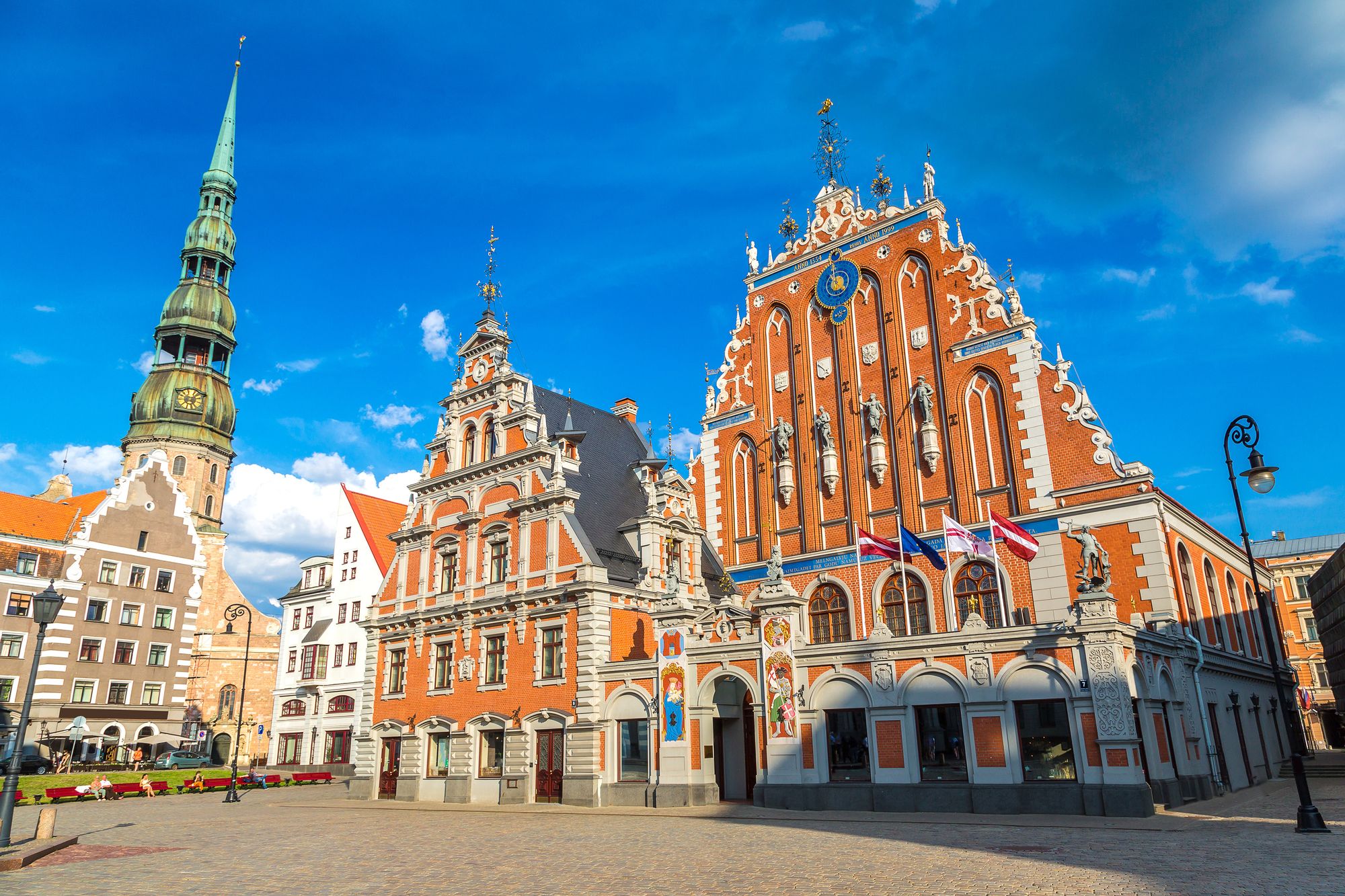
In Latvia's capital, history speaks through every street corner. The Old Town, recognized by UNESCO, tells stories of centuries past with its distinctive Art Nouveau buildings and the sound of footsteps echoing across cobblestones. Medieval structures stand beside contemporary cafés where locals chat over coffee.
Between May and September, the city opens up completely. The air warms, people fill outdoor seating areas, and daylight stretches into long evenings. Winter brings snow-covered rooftops and Christmas markets where steam rises from hot drinks as people shop.
Life in Riga moves through cultural rhythms. Opera notes float from the Latvian National Opera, artwork finds new audiences at the National Museum of Art, and weekends bring Kalnciema Quarter to life with locals selling handmade goods and traditional foods.
- -Direct flights to Riga International Airport from major European cities
- -Ferry connections from Stockholm and Helsinki
- -Bus services from neighboring Baltic countries and Poland
2. Daugavpils
Latvia's second-largest city tells a different story. Here, Russian and Polish influences color the local culture. At its heart stands a 19th-century fortress, the Baltics' largest, where history has been repurposed into museums and art spaces, including one dedicated to Mark Rothko, the famous artist born in these streets.
Summer months, June through August, bring warm days perfect for walking the fortress walls and spending afternoons along the Daugava River. In spring and fall, fewer visitors mean more space to explore, though you'll need an extra layer of clothing.
Music regularly fills the Cultural Centre, while the Rothko Art Centre presents changing exhibitions. In the theater, local stories come to life on stage. During summer evenings, Central Park becomes an outdoor concert venue where music plays as the sun sets.
- How to get to Daugavpils
- -Train connections from Riga (3-4 hours)
- -Bus services from Riga and regional Latvian cities
- -Regional flights to Daugavpils Airport (limited service)
Tips for Traveling to Latvia
VISA & ENTRY
- EU citizens: ID card only
- US/UK/Canada: No visa for stays up to 90 days
- Apply online for non-exempt countries
CULTURAL ETIQUETTE
- Greetings are formal; handshakes are common
- Maintain direct eye contact during conversations
- Remove your shoes when entering someone's home
- Bring a small gift when visiting locals
MONEY MATTERS
- Currency: Euro (€)
- Credit and debit cards are accepted in most urban businesses
- Keep some cash on hand for rural areas and small vendors
- Standard tipping is 10% in restaurants
HEALTH & SAFETY
- Emergency number: 112
- Get travel insurance that includes medical coverage
- Tap water is safe to drink throughout the country
- Crime rates are low, but be alert for pickpockets in crowded tourist areas
TRANSPORTATION
- Riga has an efficient public transportation network
- Intercity buses are reliable, affordable and connect most towns
- Use Bolt or Yandex apps for safe, metered taxis
- Rent a car if you plan to explore rural areas and countryside