

Book van+ferry, minivan, car, or bus tickets in
Mexico
- Book online with local operators
- We're here for you 24/7
- Stories by travelers, for travelers
Must visit places in Mexico


Popular routes
Cancun to Chiquila
Playa del Carmen to Cozumel
Cancun to Playa del Carmen
Chiquila to Cancun
Cancun to Tulum
Playa del Carmen to Cancun
Cancun to Isla Mujeres
Tulum to Cancun
Isla Mujeres to Cancun
Chiquila to Holbox
Playa del Carmen to Tulum
Mexico at a glance
International dialing code
Good to know
Spoken language
Cost to avg. transport ticket
Your questions, Our answers
Are credit cards accepted in Mexico?
What vaccinations do I need before visiting Mexico?
What is the standard voltage and plug type in Mexico?
Which holidays are celebrated in Mexico?
These are the holidays celebrated in Mexico:
- Benito Juárez Day
- Christmas
- Constitution Day
- Day of the Dead
- Good Friday
- Labor Day
- Mexican Independence Day
- New Year's
- Revolution Day
Mexico Travel Guide: Everything You Need to Know
Discover the vibrant beauty of Mexico with our helpful travel guide. Learn about the weather patterns and find the perfect time for your visit. Get tips on easy ways to move around the country during your stay. Explore famous cities and must-see destinations, while also tasting delicious Mexican dishes. Uncover secret spots and hidden gems that most tourists never find.
Weather and Best Time to Visit
Yucatán Peninsula (Cancún, Tulum, Mérida): November to April offers dry, sunny days with comfortable temperatures. Hurricane season runs from June to November, with the highest risk from September to October.
Pacific Coast (Puerto Vallarta, Mazatlán): November to April brings pleasant temperatures and minimal rainfall. Hurricane season affects this coast from June through October.
Baja California (Cabo San Lucas, La Paz): October to April provides ideal weather with little rain. September and October carry some hurricane risk.
Central Highlands (Mexico City, San Miguel de Allende): Year-round moderate climate with March to May being the warmest. October to April stays dry and comfortable.
Oaxaca & Chiapas: November to April offers a dry season with pleasant temperatures, perfect for exploring ruins and outdoor activities.
Copper Canyon: October to November and March to April offer moderate temperatures ideal for hiking and sightseeing.
Traveling by Season
Mexico's peak tourist period occurs during winter in the Northern Hemisphere, from December through April. Visitors come to escape the cold weather, especially during Christmas, New Year's, and Spring Break.
During this time:
- -Accommodations and flights cost significantly more, sometimes double the low-season rates
- -Advance bookings are necessary, particularly in Cancún and Puerto Vallarta
- -Weather is typically dry and pleasant (24-29°C/75-85°F) during the daytime
- -Very little rainfall and virtually no hurricane risk
- -Beaches, attractions, and restaurants are crowded
- -Transportation delays may occur due to high visitor numbers
Fewer tourists visit from June through November — the rainy/hurricane season. September and October are the quietest months.
This season features:
- -Dramatically lower prices (30-50% less than high season)
- -Excellent availability with last-minute booking options
- -Hot, humid weather often exceeding 32°C (90°F)
- -Frequent afternoon downpours, especially in coastal areas
- -Hurricane season (June through November, highest risk September-October)
- -Possible flooding and transportation disruptions, particularly in rural areas
- -Lush, green landscapes and fewer tourists
The shoulder, or transitional months of May and November, offer a good balance with:
- -Decreasing costs in May and pre-peak prices in November
- -Good availability with moderate crowds
- -Generally favorable weather—May warming up, November cooling down
- -Some rain possible, but less frequent than during the peak rainy season
- -A balanced experience combining reasonable prices and comfortable conditions
How to Get to Mexico
Mexico's international airports serve as entry points for millions of travelers annually. Mexico City International Airport (Benito Juárez) is the country's busiest, handling over 50 million passengers each year. Cancún International Airport primarily serves tourists heading to beach destinations on the east coast. Guadalajara International Airport provides access to western Mexico, a region famous for tequila production and traditional culture. Other major entry points include airports in Monterrey, Puerto Vallarta, Tijuana, and Los Cabos.
These airports connect travelers to popular destinations such as Playa del Carmen, known for its pedestrian-friendly downtown and nearby natural sinkholes (cenotes), and Tulum, where Mayan ruins are situated along the coastline. Each airport serves as a gateway to the different experiences Mexico offers.
To accommodate growing tourism, these airports continue to expand with new routes and improved facilities.
Cross-Border Travel to Mexico
There are several ways to enter Mexico besides flying, each offering a unique transitional experience across the border. Here are practical alternatives that make the journey part of your adventure.
Bus from the United States: A well-developed cross-border bus network connects major US cities to Mexico. ADO coaches offer comfortable reclining seats, often surpassing domestic flight comfort. Greyhound connects with Mexican carriers at most major crossing points. Budget about an hour extra for border procedures, which are thorough but generally efficient. Check US routes.
- Bus from Guatemala: The Tapachula crossing provides access through southern Mexico. Buses travel through lowland jungle where the landscape gradually changes between Guatemala and Chiapas. For the most reliable experience, choose morning departures to avoid afternoon thunderstorms common in the region. Explore Guatemala routes.
- Bus/Water Taxi from Belize: Travel from Belize City to Chetumal combines land and sea transportation through mangrove ecosystems. From Chetumal, you can easily continue to coastal destinations on routes like Cancun to Holbox or Cancun to Chiquila.
- Ferry options: Mexico's ferry system provides access to its islands. The 45-minute crossing from Playa del Carmen to Cozumel offers excellent Caribbean views. Short routes like Cancun to Isla Mujeres and Chiquila to Holbox take you to less-developed beach destinations.
How to Get Around
Getting around Mexico becomes part of the adventure itself. Planes zip between major cities when time matters more than scenery. For those who prefer watching the landscape change, ADO buses roll through the countryside with air conditioning and reclining seats, and some even serve snacks on longer journeys.
The train called "El Chepe" chugs through Copper Canyon, where passengers press against windows as the locomotive curves around mountain edges and through tunnels carved into rock faces.
Island-bound travelers watch the mainland shrink from ferry decks on routes to Cozumel, while practical van-ferry packages eliminate the hassle of separate bookings.
In Mexico City, the subway carries millions daily for just a few pesos, with color-coded lines making navigation possible even without speaking Spanish. Colectivos — those small vans packed with locals — stop anywhere along their routes when someone raises a hand, offering front-row views of daily Mexican life.
Taxis wait on nearly every corner, though a quick fare discussion before climbing in saves awkward moments later. In larger cities, a few taps on ridesharing apps bring cars within minutes.
Renting a car opens doors to hidden beaches and mountain villages that buses never reach, though city driving tests even experienced drivers' patience. On islands like Cozumel, golf carts and scooters become the transportation of choice, turning simple journeys into breezy excursions.
For reliable transportation bookings, check ADO and Ultramar on our website.
Food Scene
In Mexico City, the aroma of pork cooking on a vertical spit pulls people to where taqueros slice thin pieces of tacos al pastor directly onto warm corn tortillas. Early morning at Mercado de San Juan means chefs and home cooks picking through unusual ingredients while sampling bites along the way. As evening falls in Mexico City's Roma neighborhood, people gather around street stands where corn ears get slathered with mayonnaise, cheese, and chile powder.
Over in Puebla, families have passed down mole poblano recipes for generations, cooking the sauce for hours until the chocolate and chilies create a deep brown color that coats tender chicken.
When the afternoon sun beats down in Mérida, locals head for cochinita pibil, pork that's been marinated in citrus and slow-cooked in banana leaves until it falls apart at the touch of a fork.
In Oaxaca, smoke rises from the grills at 20 de Noviembre Market as cooks press enormous tlayudas on the hot surface, the beans and cheese bubbling underneath the crisp tortilla.
Regional Must-Tries:
- -Norteño: In Monterrey, families gather on Sundays for cabrito, young goat roasted until the skin turns golden
- -Pacific: Puerto Vallarta fishermen bring their morning catch straight to beachside stands for fresh seafood tostadas
- -Oaxaca: Each of the seven moles has its own personality, from smoky to sweet to spicy
- -Yucatán: Sopa de lima cuts through the heat with bright citrus, while papadzules offer corn tortillas bathed in pumpkin seed sauce
Hidden Gems
1. Yelapa
Tucked away in a quiet cove near Puerto Vallarta, Yelapa remains unreachable by car. The boat ride keeps crowds away, letting the village maintain its real character. Pelicans dive for fish as you approach the shore, where simple restaurants serve fresh catch right on the sand. Locals might point you toward a waterfall a short hike inland, where cool, clear pools offer relief from afternoon heat.
Between November and May, the rain stays away, making it perfect for swimming in the calm bay or exploring jungle paths. When you're ready to discover it, just head to Los Muertos Pier in Puerto Vallarta and catch a water taxi for the 45-minute journey across the bay.
2. San Sebastian del Oeste
Up in the Sierra Madre mountains, 4,500 feet above the coast, San Sebastian del Oeste sits wrapped in occasional mists. Time slows down here. Roosters might wake you in the morning as sunlight touches the old silver mining buildings from the 1700s. People grow coffee on the mountainsides. The air feels cooler and cleaner.
During February through April, wildflowers open along the roadsides, and the temperature stays just right for exploring on foot. The 90-minute drive from Puerto Vallarta climbs through changing ecosystems. Rent a car to go at your own pace or join a tour if you prefer someone else to navigate the mountain roads.
3. Mineral de Pozos
The wind whistles through stone ruins in Mineral de Pozos, telling stories of the silver boom that once made this town wealthy. Now, old mining structures stand like sculptures against the desert sky. Photographers come for the way sunlight plays across crumbling walls. Artists have moved into some old buildings, opening studios where you can watch them work or buy directly from their hands.
Visit during October or November when the harsh summer heat has passed but before winter's chill arrives. The light turns golden then, perfect for seeing the beauty in this partially abandoned place. It's just 45 minutes northeast of San Miguel de Allende by car, close enough for a day trip, far enough to feel like a discovery.
Scenic Routes
Mexico's roads wind through mountains, jungles, and along coastlines, telling stories of the land and its people.
These four routes show travelers what makes this country special:
-
Mexico City to Oaxaca: The road curves through mountains where clouds hang low in the mornings. Small towns appear around bends, with locals selling handmade crafts and fresh fruit by roadside stands. Old stone churches mark village centers, and in the distance, ancient walls peek through vegetation. Travel between October and April when the rain stays away and the mountains stand clear against blue skies. Buses with large windows let you see everything without straining.
-
Cancun to Tulum: The Caribbean Sea follows you on this coastal journey, sometimes so close you can almost touch the blue-green water. Palm trees line the road, and occasionally you'll spot small paths leading to hidden beaches. Sitting up front gives you the best views of where the jungle meets the sea. Try this trip between November and April, before hurricane clouds gather.
-
Merida to Chichen Itza: Early morning light filters through trees on this route through Yucatán. The flat landscape hides secrets — round pools of water called cenotes appear unexpectedly, glowing blue against the green forest. The road ends at stone pyramids that have watched the sunrise for a thousand years. November through March brings cooler air, making exploration comfortable.
-
Guadalajara to Tequila: Fields of blue-green agave plants stretch to the horizon, planted in neat rows that follow the contours of hills. Farmers work with special tools, harvesting the plants that will become Mexico's famous spirit. Between February and May, some agave plants send up tall flowering stalks. The train that runs this route stops at old haciendas where workers demonstrate how they turn plants into tequila, and yes, you can taste the results.
Events, Festivals and Local Markets
Each year, vendors and tourists from around the world gather at Tianguis Turístico. This open-air market in Mexico City tells Mexico's story through its landscapes, cuisine, and traditions as local sellers meet international visitors face-to-face.
Walking through Mercado de San Juan in Mexico City, your senses come alive. Vendors call out their offerings, from scorpion tacos to French cheeses. People gather at small counters to eat, talk, and watch the market life unfold. Come hungry and ready to try something new.
Every July, the hills of Oaxaca fill with music during the Guelaguetza Festival. Dancers in hand-woven clothing move to ancient rhythms, sharing stories that have lived for generations. You'll see how each community brings its own colors and movements to this celebration.
For three weeks each spring, Aguascalientes transforms during the Feria Nacional de San Marcos. Children laugh on carnival rides while adults watch bull riders compete in dusty arenas. As night falls, music fills the air and millions of visitors from across Mexico join together in this centuries-old tradition.
Best Places to Visit
1. Cancun
On the northeastern coast of the Yucatan Peninsula, Cancun welcomes visitors with beaches where sand feels like flour between your toes and water so clear you can see fish darting around your ankles. Between December and April, the sun shines consistently and rain rarely interrupts beach days.
The city comes alive with water sports. Locals cheer as jet skiers race across the bay, leaving white trails in their wake. When night falls, places like Coco Bongo fill with people watching acrobats swing from ceilings and performers recreate famous movie scenes right before your eyes.
-Fly directly to Cancun International Airport, which receives flights from major cities worldwide
-Take an ADO bus from other Mexican cities like Merida or Playa del Carmen
-Arrive by cruise ship at the Puerto Cancun marina during Caribbean cruise routes
2. Isla Holbox
North of the Yucatan Peninsula sits an island where cars don't exist. Instead, people walk barefoot on sandy paths or hop on golf carts that putter between colorful wooden houses. Between June and September, something extraordinary happens — massive whale sharks, gentle despite their size, allow swimmers to glide alongside them in the warm Gulf waters.
At night, the ocean sometimes glows blue when disturbed — run your hand through the water and watch it light up like stars. Every weekend, Holbox residents set up tables in the main square, selling handwoven hammocks and shell jewelry they crafted during the week.
-Take a ferry from Chiquila (30-minute ride across Yalahau Lagoon)
-Book a small aircraft flight from Cancun or Playa del Carmen to Holbox's tiny airstrip
-Join a boat tour from Cancun that includes transportation to and from the island
3. Chiquila
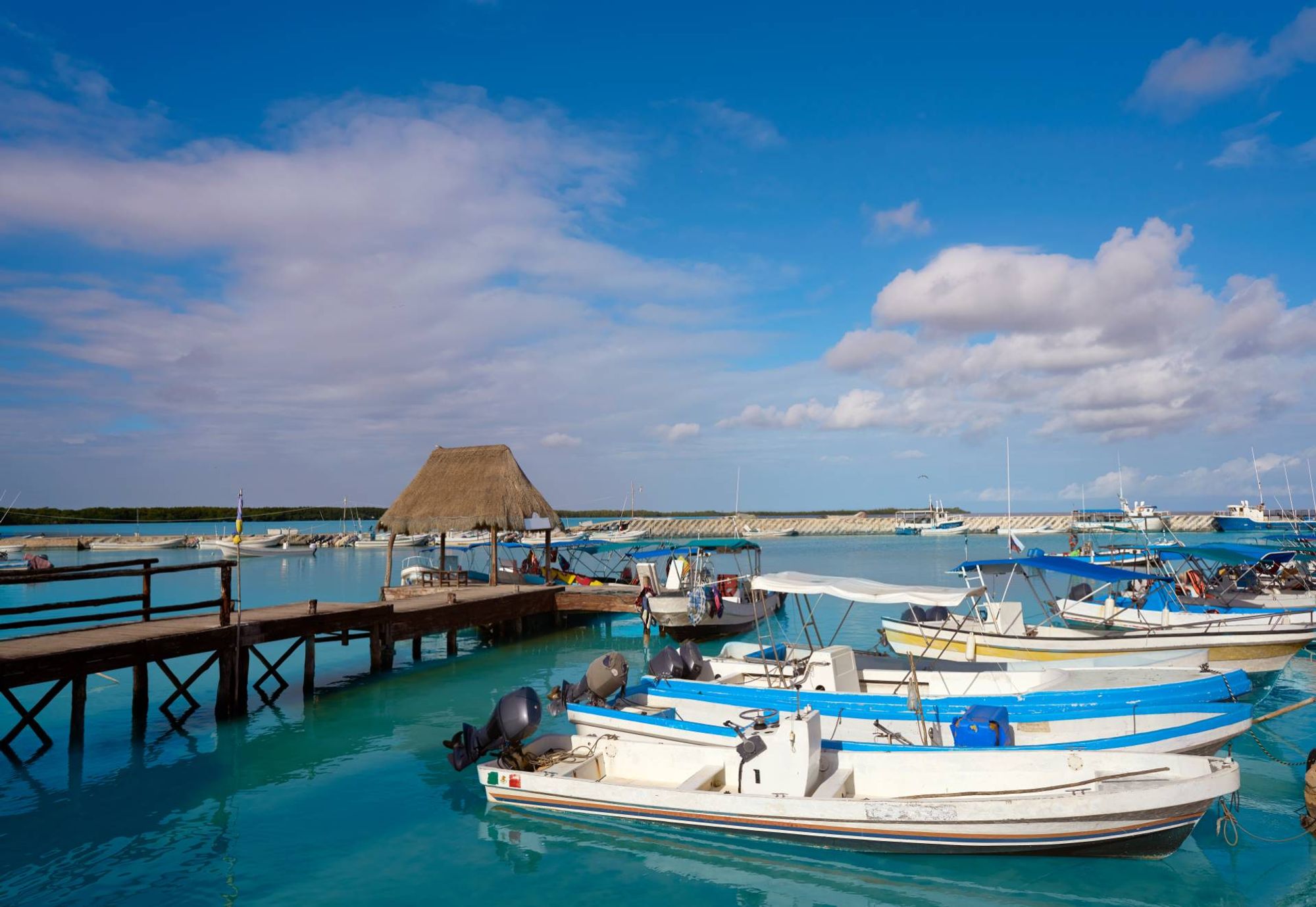
This fishing village stands as the doorway to Holbox, but many miss its own quiet story. Here, fishermen bring their daily catch straight to restaurant kitchens, and life moves to the rhythm of the tide. The winter months bring pleasant breezes and clear skies, perfect for exploring this slice of everyday Mexican life.
Once a month, fishing boats gather in the Chiquila harbor, decorated with flags for friendly competition. Locals crowd the docks, cheering for their favorites. In wooden sheds along the water, men with weathered hands show curious onlookers how they build the boats that have carried families to fishing grounds for generations.
-Drive along Highway 307 north from Cancun (about 2-3 hours)
-Take an ADO bus from Cancun's downtown terminal to Chiquila
-Join a shuttle service from major hotels in the Riviera Maya area
4. Tulum
Ancient stone temples stand on cliffs overlooking a beach where turquoise water meets white sand. Below these Mayan ruins, people now sleep in cabanas powered by solar panels and wake up to yoga at sunrise. Visit Tulum during April-May or October-November when you might find yourself alone on beaches that fill with crowds during high season.
As evening falls over the ruins, lights and narration bring to life the stories of people who built this city centuries ago. Beneath the ground, clear freshwater pools called cenotes invite swimmers into underground worlds where sunlight filters through holes in the earth above.
-Fly to Cancun and take a 1.5-hour shuttle or rental car drive south
-Ride the ADO bus from Cancun, Playa del Carmen, or Merida directly to Tulum
-Fly directly into the Tulum Airport
5. Merida
Wide streets lined with colorful colonial buildings lead to squares where trees provide shade from the inland heat. In Merida, the smell of cochinita pibil (slow-roasted pork) drifts from market stalls, and weekend evenings bring families out to sit on white S-shaped chairs in the plazas. The winter months bring comfortable temperatures that make walking this city a pleasure.
Every Monday at 9 PM, dancers in white embroidered clothing take over the main square, performing traditional Yucatecan steps that tell stories of the region. On Sunday mornings, the city's elegant main boulevard closes to traffic as gleaming vintage cars from the 1950s and '60s parade down the street, their owners eager to share tales of restoration and history.
-Fly directly to Manuel Crescencio Rejón International Airport in Merida
-Take the comfortable ADO bus service from Cancun, Playa del Carmen, or Mexico City
-Drive the well-maintained Highway 180 from Cancun (approximately 4 hours)
Tips for Traveling in Mexico
VISA & ENTRY
- US/Canadian citizens need a passport valid for 6 months, no visa for stays under 180 days
- Complete the FMM immigration form online or on arrival
- Keep the FMM copy for departure
CULTURAL ETIQUETTE
- Greet with handshake, "Buenos días, or buenas tardes/noches"
- Tipping: 15-20% at restaurants, 10-20 pesos for services
MONEY MATTERS
- Mexican Peso (MXN), have cash for smaller towns
- Credit cards are accepted in tourist areas
- ATMs are widely available; notify your bank before travel
HEALTH & SAFETY
- Emergency: 911
- Recommended vaccines: Hepatitis A/B, typhoid
- Buy travel insurance with medical coverage
- Drink bottled water
TRANSPORTATION
- Uber in major cities
- Public buses are economical for longer distances
- Metro in Mexico City (avoid rush hour)