

Book train, minivan, bus, or car tickets in
Kenya
- Book online with local operators
- We're here for you 24/7
- Stories by travelers, for travelers


Popular routes
Nairobi to Mombasa
Mombasa to Nairobi
Nairobi to Sirare
Arusha to Nairobi
Nairobi to Arusha
Nairobi to Kampala
Nairobi to Dar es Salaam
Dar es Salaam to Nairobi
Nairobi to Kisii
Sirare to Nairobi
Nairobi to Eldoret
Kampala to Nairobi
Kenya Travel Guide: Everything You Need to Know
Discover the wonders of Kenya with our comprehensive travel guide. Learn about Kenya's weather patterns and the best time to visit for your ideal experience. Find out how to navigate the country easily, from city to city and to remote destinations. Explore Kenya's top cities and must-see attractions, while savoring recommended local dishes. Uncover hidden gems that most tourists miss, making your Kenyan adventure truly unforgettable.
Weather and Best Time to Visit
Nairobi & Central Highlands: June to September offers pleasant temperatures (15-24°C/59-75°F) with minimal rainfall, ideal for city exploration and hiking. December to March is warm and relatively dry.
Maasai Mara: July to October coincides with the Great Migration, when millions of wildebeest cross from Tanzania. The weather is dry with daytime temperatures around 25°C/77°F.
Coastal Regions (Mombasa, Malindi): January to March and July to October provide sunny days (28-33°C/82-91°F) and calm seas perfect for beach holidays and water activities.
Northern Kenya (Samburu, Turkana): June to September offers comfortable temperatures for safari, avoiding the intense heat (35°C+/95°F+) of December to March.
Western Kenya (Lake Victoria): January to February and June to September are drier periods, which are ideal for exploring this more humid region.
Traveling by Season
High Season: June-October
Kenya's high season coincides with the Great Migration in the Masai Mara. Accommodation prices increase 30-50% compared to the low season and often require booking months ahead. The weather is dry with daytime temperatures of 24-29°C (75-85°F) and cooler nights. With minimal rainfall, wildlife viewing is excellent as animals concentrate around water sources.
Popular parks become crowded, and dust can affect photography. Despite the higher costs, this period provides reliable wildlife sightings in comfortable weather conditions.
Low Season: March-May
During the "long rains," heavy downpours and occasional flooding can affect roads and safari activities. Accommodations offer significant discounts (40-50%), and availability is plentiful. Temperatures stay warm at 21-27°C (70-80°F), but with higher humidity. While thick vegetation can make wildlife spotting more difficult, fewer tourists allow for more personal safari experiences.
Many smaller camps close during this time. The landscape becomes lush and green, perfect for photographers interested in vibrant scenery and dramatic storm skies.
Shoulder Months: November-December
These transition periods offer good value with prices 15-30% lower than peak season. November-December brings the "short rains" with afternoon showers that rarely disrupt activities.
January-March has grown in popularity, featuring dry conditions and temperatures of 27-32°C (80-90°F). Wildlife viewing remains productive, especially for bird-watching as migratory species arrive. With moderate tourist numbers, you'll find reasonable availability and a balanced safari experience without extreme crowds or prices.
How to Get to Kenya
Kenya has several airports connecting different regions of the country to both international and domestic destinations. Jomo Kenyatta International Airport in Nairobi serves as the main international hub, handling flights from countries worldwide. On the coast, Moi International Airport provides access to Mombasa and the surrounding beach destinations.
Kisumu International Airport connects travelers to Kisumu and the Lake Victoria region in western Kenya. In the northwest, Eldoret International Airport serves visitors heading to Eldoret and northern Kenya.
For domestic travel, Wilson Airport in Nairobi operates smaller aircraft to various destinations throughout Kenya. Travelers heading to coastal destinations can use the regional airstrips at:
- -Malindi
- -Lamu
- -Ukunda
These airports allow travelers to reach Malindi and other coastal towns directly, avoiding the long drive from Nairobi. These domestic flight options make it practical to visit multiple regions of Kenya even during a shorter trip.
Cross-Border Travel to Kenya
Traveling overland into Kenya provides experiences that flying cannot.
Here are the main routes:
From Uganda: The Kampala to Nairobi bus takes about 12 hours through farmland and border towns. The Malaba border crossing takes 30 minutes to 2 hours. Bring food and entertainment, as "luxury" typically means working air conditioning and reclining seats. Explore our Uganda routes.
From Tanzania:
- -Bus: The Arusha to Nairobi route offers Rift Valley views. Bring warm clothing for the Namanga border crossing, which can be cold due to its elevation.
- -Ferry: The Dar es Salaam to Mombasa ferry is primarily a cargo ship that accommodates passengers with basic cabins and shared meals. Dolphins often appear along the Tanzanian coast. More Tanzania routes.
From Ethiopia: The Addis to Moyale route is Kenya's most difficult overland journey. Buses travel slowly through northern Kenya on roads of varying quality. Plan to stay overnight in Marsabit, Sidai Oleng guesthouse offers clean rooms and decent food.
Within Kenya, internal transportation options include:
- The SGR train between Nairobi and Mombasa runs reliably. First class offers better windows for viewing Tsavo.
- For destinations like Nairobi to Voi, modern Coast buses provide reliable service with USB charging ports and complimentary water.
How to Get Around
Kenya's roads connect stories waiting to be experienced.
Long-distance buses like Tahmeed Coach carry travelers between towns and cities at reasonable prices, while the SGR train rolls between Nairobi and Mombasa, revealing countryside scenes through its windows. When time matters, small planes hop to distant wildlife areas, skipping hours on bumpy roads.
In town, matatus—local minivans decorated with colors and characters—pack in residents and visitors alike. They might not be fancy, but they go everywhere and cost little. Taxis and ride apps provide more comfort in cities when you need a direct route. Tuk-tuks buzz through narrow neighborhood streets, their three wheels navigating spaces cars can't reach. Boda bodas (motorcycle taxis) zip passengers through traffic jams, though helmets remain rare.
Travel becomes part of the journey in Kenya, not just a way to reach destinations. Each ride offers chances to chat with locals, spot unexpected sights, and understand daily life. The transportation you choose shapes what you'll see and who you'll meet. Consider booking intercity journeys with Kenya Railways or Tahmeed Coach to start your travels smoothly.
Food Scene
When Kenyans gather around a meal, stories unfold and memories form.
In Nairobi, families and friends pass plates of ugali, a thick, satisfying maize porridge that serves as the backbone of many meals. They tear off pieces to scoop up nyama choma, meat grilled over open flames until the edges crisp and the inside remains tender. Don't forget to try sukuma wiki, collard greens cooked with onions and spices that have fed generations.
Morning light streams through the Maasai Market in Nairobi as vendors call out to passersby. Here, the aroma of traditional snacks fills the air, drawing in curious eaters. In the narrow pathways of Mombasa's Old Town, the coastal influence becomes apparent, bhajias (potato fritters) sizzle in oil, while muhogo wa nazi (cassava simmered in coconut milk) simmers in large pots.
Each region tells its own food story:
- Coastal cooks layer spices in pilau rice dishes and prepare the morning's catch simply and perfectly.
- Highland families gather around steaming plates of irio, where mashed potatoes, peas, and corn come together in a hearty dish that warms during cool evenings.
- In the Luo region beside Lake Victoria, omena, tiny silver fish, are dried in the sun before being transformed into protein-rich stews.
Try these foods where Kenyans eat them. This is how you'll truly understand Kenya's story.
Hidden Gems
1. Marafa
The earth splits open at Marafa, revealing layers of red, orange, and white sandstone shaped into pillars and gorges over centuries. As daylight fades, the low sun casts long shadows across these colored walls, bringing their details into sharp relief.
Local stories tell of a wealthy family who once lived here, bathing in milk daily until the ground opened up to punish their wastefulness. To see this place, travel 30 km/18 miles northeast of Malindi, either grab a matatu to Marafa Village or hire a driver who knows the dirt roads. The journey bounces passengers around, but the sight waiting at the end makes every bump worthwhile.
2. Gedi
Stone walls rise unexpectedly from the forest floor at Gedi, where a once-thriving 13th-century Swahili town now stands silent. Walk between former palaces and mosques, noticing the sophisticated drainage systems that served this advanced settlement before it was abandoned. Questions about why people left remain unanswered.
Early morning visitors have the place nearly to themselves, with cooler air making exploration more comfortable. The ruins are just 15 minutes by car from Watamu or Malindi, with signs clearly marking the turnoff from the Malindi to Mombasa highway.
3. Kakamega
Trees stretch toward the sky in Kakamega, the last piece of an ancient rainforest that once spread across Africa. Monkeys swing through branches overhead, while hundreds of bird species call from the canopy. Over 300 types of butterflies add moving color to the green backdrop.
The forest paths remain most accessible during:
- January-February
- June-September
These periods offer less frequent rainfall. Travelers can reach this forest sanctuary via a 5-hour drive from Nairobi, or they might fly to Kisumu and drive the remaining hour.
Scenic Routes
Kenya's landscapes change like chapters in a book as travelers move from grasslands to beaches, each route showing a different face of East Africa.
Nairobi to Mombasa: The SGR train cuts through the country from highlands down to sea level. People press their faces to windows when passing Tsavo National Park, where elephants sometimes gather near the tracks. During June-October, the air stays clear enough to see far into the distance. The train's large windows frame the changing landscapes like moving paintings.
Nairobi to Naivasha: The road descends sharply into the Great Rift Valley, with lookout points where drivers often stop. In April-May, rains bring countless wildflowers that carpet the hills. Grab a window seat on the left side of buses heading out of Nairobi to catch the valley opening up below.
Nairobi to Maasai Mara: The concrete of the city gives way to open grasslands dotted with flat-topped acacia trees. Between July and October, millions of animals move across these plains. The higher seats in 4x4s and buses let travelers see over the tall grass to spot wildlife even from the main road.
Mombasa to Malindi: The coastal road runs close enough to beaches that salt spray sometimes reaches the windows. From December through March, the ocean turns particularly blue against white sand shores. Buses with open windows fill with the scent of the sea.
Malindi to Lamu: The ferry weaves through narrow channels lined with mangrove trees. Between November and March, the water stays calm, making the journey smoother. From the upper deck, passengers can watch the island grow larger on approach, its stone buildings unchanged for centuries.
Events, Festivals and Local Markets
Watch wooden dhows with triangular sails race across the waters during the Lamu Cultural Festival in Lamu each November. Locals compete in donkey races through narrow streets while the aroma of coconut rice and grilled seafood fills the air.
Streets come alive with dancers and musicians during the Mombasa Carnival each December. Performers wear costumes representing Kenya's 42 tribes, while food stalls serve everything from coastal biryanis to upcountry nyama choma (grilled meat).
Farmers show their prize livestock while businesses display new technologies at the Nairobi International Trade Fair each September. Visitors can sample honey, tea, and coffee directly from producers.
Artisans spread handmade goods on colorful cloths at the Kili Fair in Kilifi. Local bands play as shoppers browse beaded jewelry, woven baskets, and recycled art pieces made by coastal craftspeople.
Best Places to Visit
1. Nairobi
In Nairobi, lions roam with skyscrapers as their backdrop. The capital's unique geography places wild animals just minutes from office buildings, creating scenes where giraffes stretch their necks against the city skyline in Nairobi National Park.
Between June and October or December and March, the dry earth cracks slightly underfoot, making paths easier to navigate and animals more visible as they gather around remaining water sources. The air stays cool enough for comfortable walks even at midday.
Life pulses through the Kenya National Theatre, where local stories unfold on stage several nights each week. On weekends, fingers run over beaded jewelry and carved wooden figures at Maasai markets, where sellers tell you the meaning behind each pattern. Once a month, blankets spread across park grounds as musicians tune their instruments for the Blankets and Wine Festival, where food vendors serve up smoky nyama choma (roasted meat) while attendees sway to East African rhythms.
- How to get to Nairobi
- -Direct international flights to Jomo Kenyatta International Airport
- -Standard Gauge Railway (SGR) from Mombasa
- -Bus services connecting from all major Kenyan cities
2. Mombasa
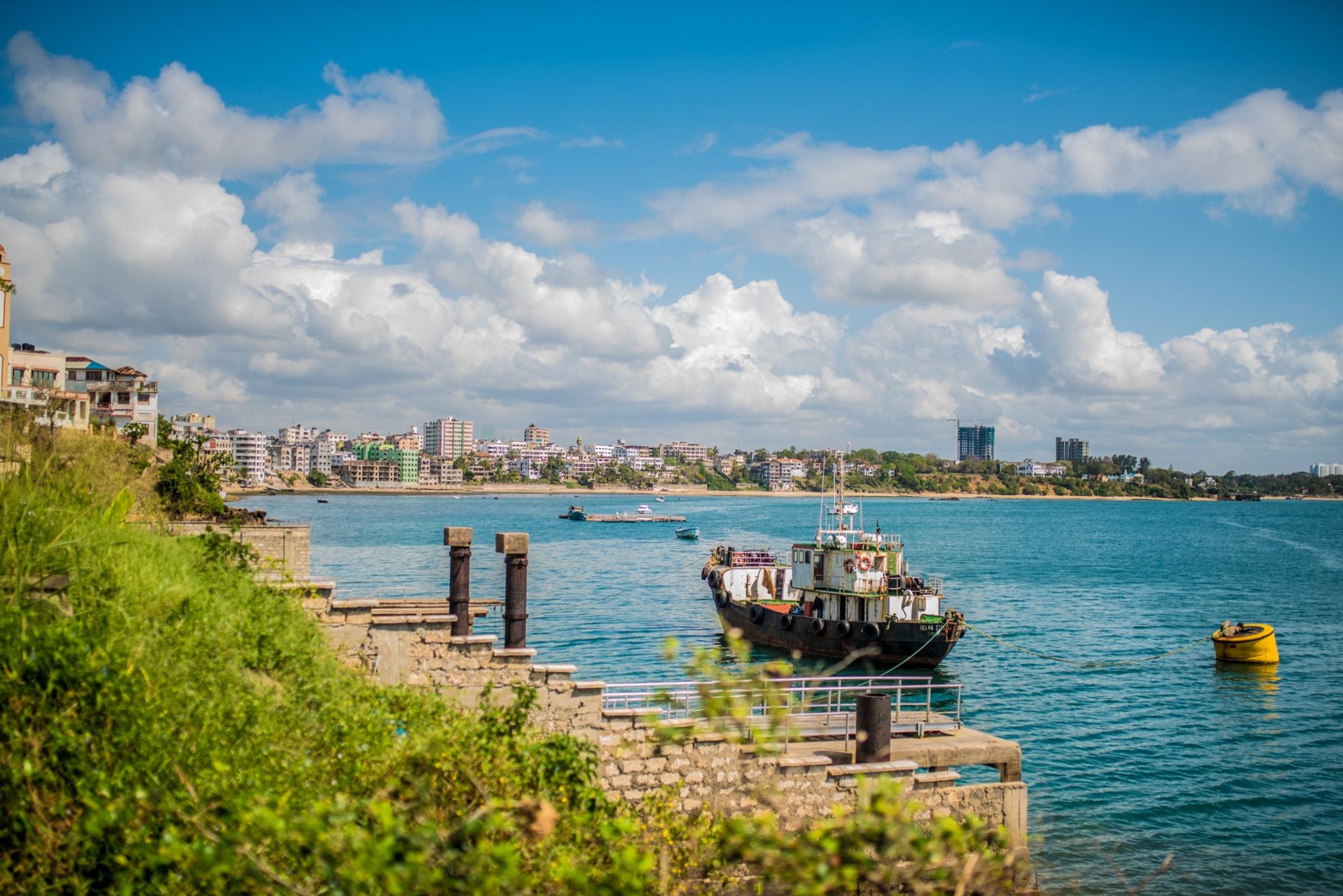
Sea salt hangs in the air in Mombasa, where centuries of traders have left their mark. Walking through Old Town, Portuguese archways give way to intricately carved Swahili doors, while the call to prayer mixes with the sound of waves. Fort Jesus stands watch over the harbor, its coral stone walls turning golden at sunset.
The ocean calms between January and March or July to October, when rain rarely interrupts beach days and the heat settles at a comfortable warmth rather than the sticky embrace of the rainy seasons.
Wooden dhows with triangular sails dot along the coastline on weekend afternoons, continuing traditions that stretch back hundreds of years. In Old Town, Thursday evening walks wind through narrow streets where residents share stories from their doorways, pointing out buildings where sultans once lived and traders made their fortunes in spice and ivory.
- -Flights to Moi International Airport
- -Standard Gauge Railway (SGR) from Nairobi
- -Ferry services from nearby coastal towns
3. Voi
Red earth and acacia trees surround Voi, a town that sits between Kenya's two largest wildlife reserves. From here, elephants can be spotted kicking up dust clouds as they march across the plains, with the Sagala Hills rising blue in the distance. In town, Taita women weave baskets with patterns passed down through generations.
During the dry seasons of June through October and January through February, animals leave obvious tracks in the dust, making them easier to follow. Morning air carries a pleasant coolness before the midday sun takes hold.
Twice weekly, the town square transforms as farmers arrange pyramids of mangoes and avocados at the marketplace, their colors bright against the earth. Some evenings, Taita dancers perform, their feet stamping rhythms into the ground as they demonstrate movements that tell stories of rain, harvest, and village life.
- -SGR train service from either Nairobi or Mombasa
- -Daily buses from major Kenyan cities
- -Charter flights to the nearby Voi Wildlife Lodge airstrip
Tips for Traveling to Kenya
VISA & ENTRY
- Most visitors need an e-visa ($51), applied online 3+ days before travel
- Single-entry valid for 3 months after issue
CULTURAL ETIQUETTE
- Greet elders first with a handshake
- Dress modestly (cover shoulders/knees in rural areas)
- Ask permission before photographing people
MONEY MATTERS
- Kenyan Shilling (KSh)
- Cards accepted in cities
- Carry cash for rural areas; ATMs in major towns
- Notify the bank before travel
HEALTH & SAFETY
- Emergency: 999/112
- Vaccines: Yellow fever, typhoid, hepatitis A
- Comprehensive travel insurance is essential
- Malaria prophylaxis recommended
TRANSPORTATION
- Uber in Nairobi/Mombasa
- Matatus (minibuses) for budget travel
- Hire drivers for safaris